
Ceasefire in Gaza but famine remains
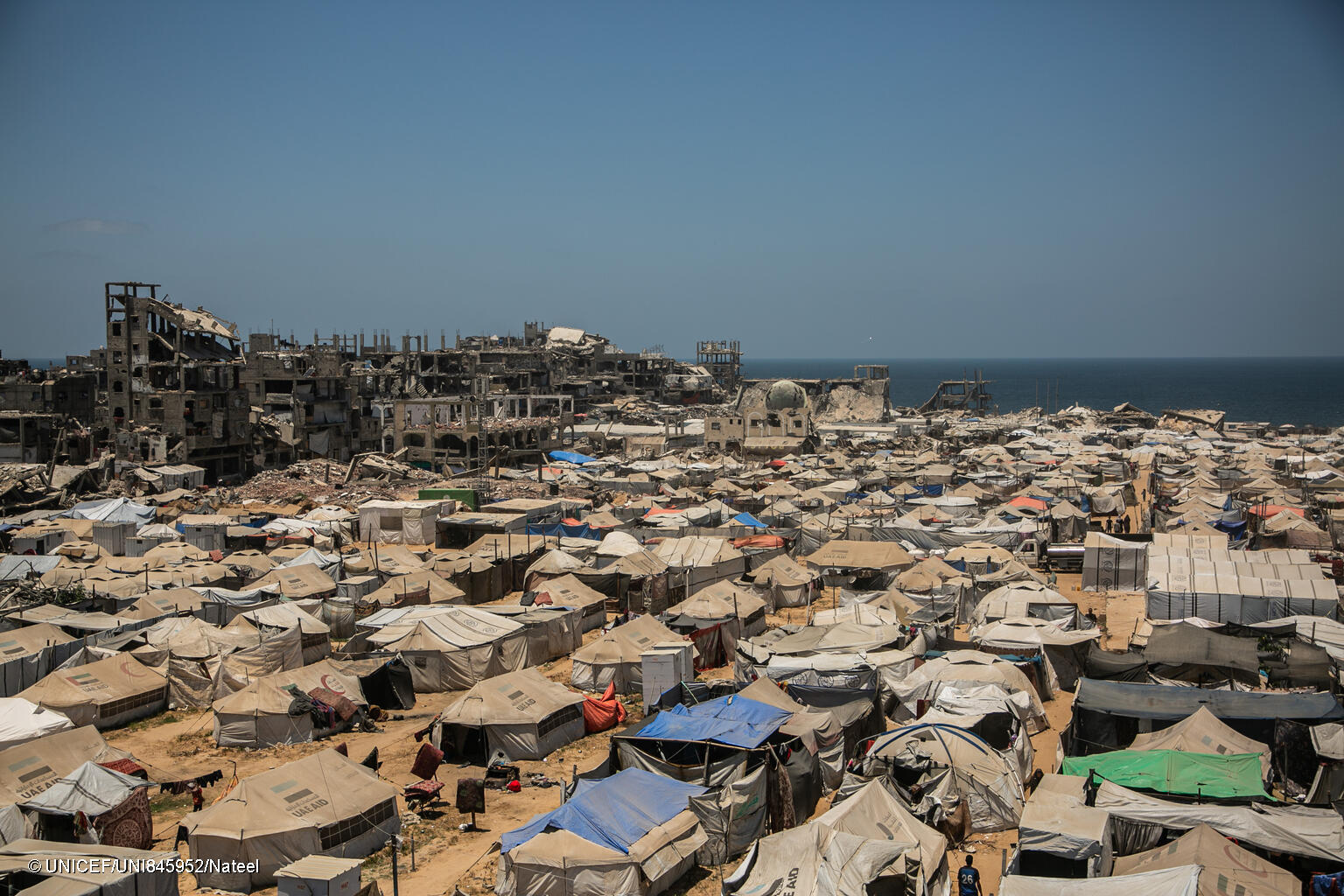
After two years of relentless conflict, the children of Gaza are facing a crisis of unimaginable scale. Homes have been destroyed, schools reduced to rubble, and vital infrastructure decimated.
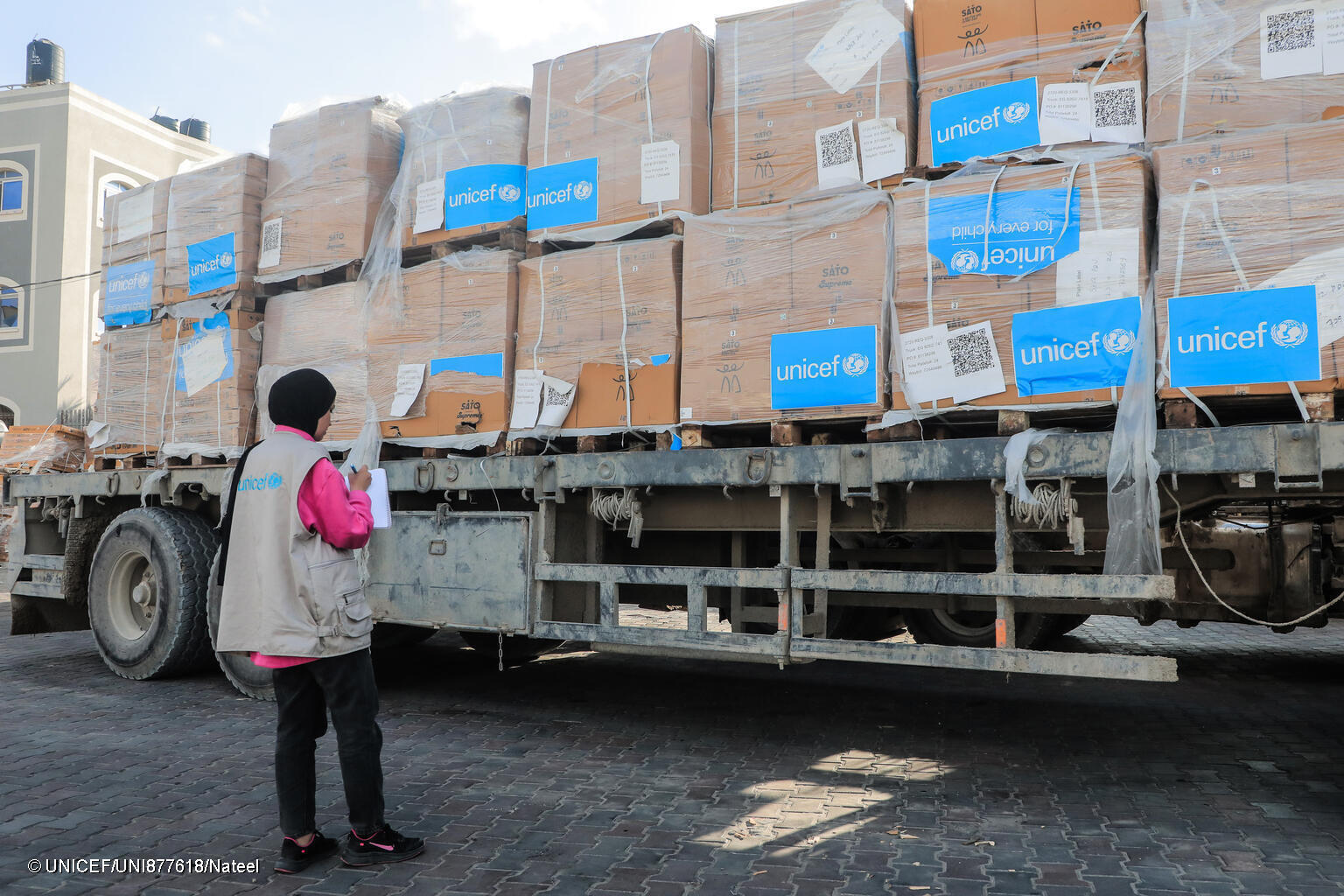
In the wake of a fragile ceasefire, UNICEF is leading a rapid, life-saving response to stabilise and begin rebuilding the lives of children and families across the Gaza Strip.
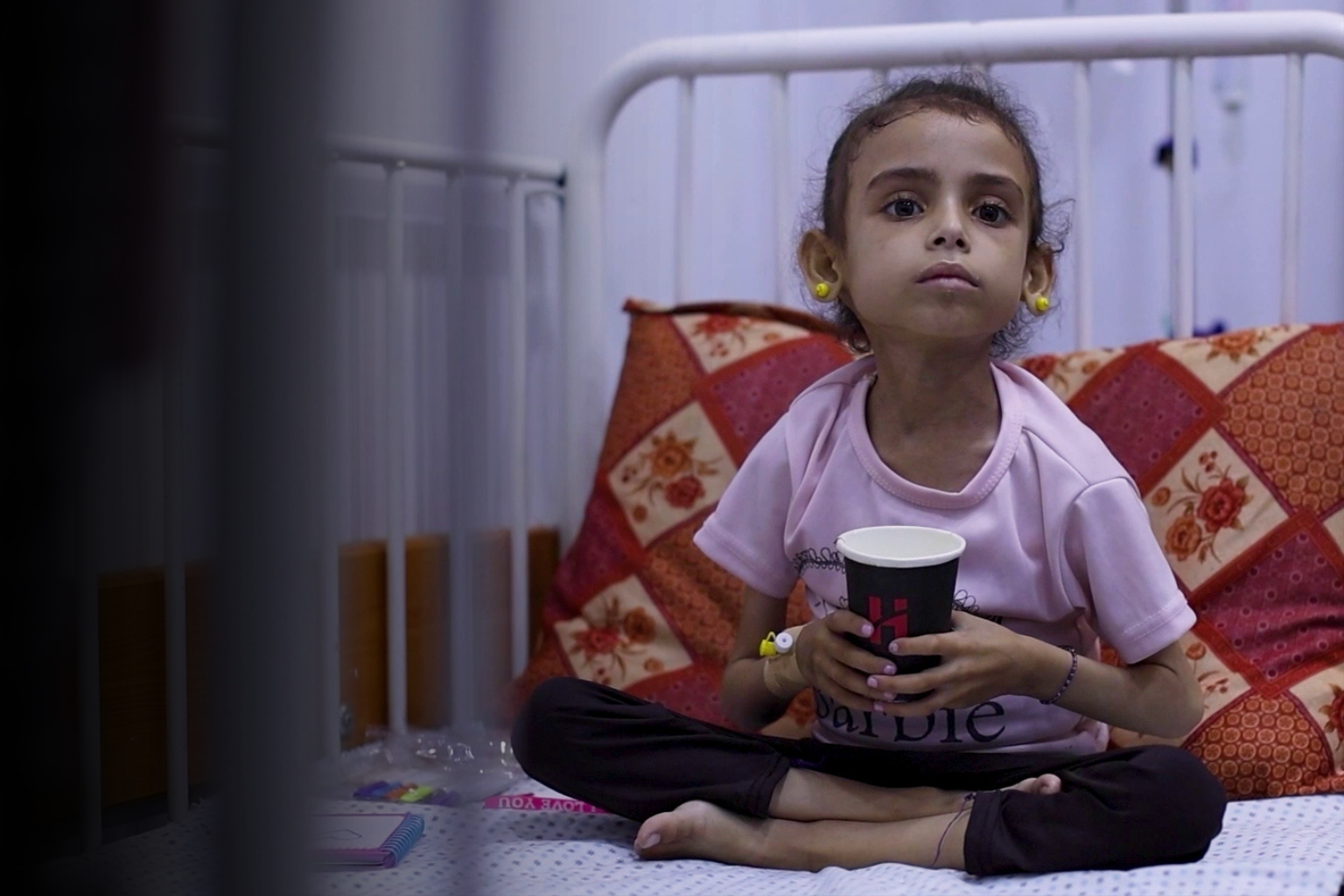
Despite the ceasefire, famine still remains in Gaza. This means widespread food shortages, starvation-related deaths, and acute malnutrition among children. Over half a million people are suffering famine conditions and the entire child population under five – over 320,000 children – is at risk of acute malnutrition.
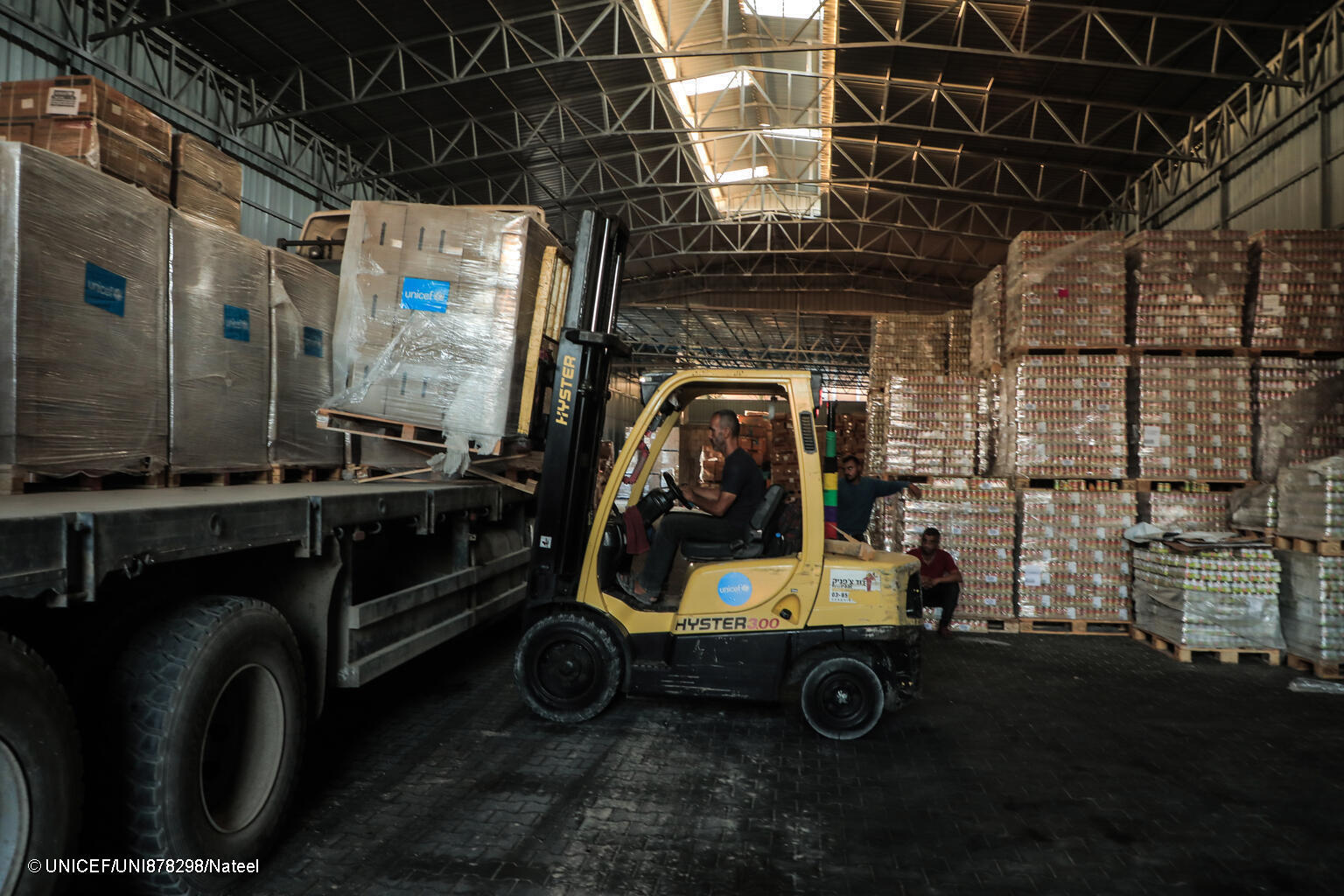
UNICEF is working to scale up the entry of essential nutrition supplies — including Ready-to Use Therapeutic Food, Ready-to-Use Complementary Food, Lipid-Based Nutrient Supplements, High-Energy Biscuits and Ready-to Use Infant-Formula to prevent and treat acute malnutrition.
UNICEF has never stopped delivering to children in the Gaza Strip. We have provided essential services and lifesaving assistance to families throughout the past months, but we can do a lot more if we are given full, unimpeded access to our supplies and families in need.

The humanitarian situation is catastrophic
Mass Displacement: Nearly 1.9 million people (85% of the population) have been displaced, with families sheltering in overcrowded, makeshift facilities lacking reliable access to food, clean water, and medical care.
Nutrition Crisis: More than 500,000 people are suffering famine conditions and the entire child population under five – over 320,000 children – is at risk of acute malnutrition.
Healthcare Collapse: Over 80% of health facilities are non-functional, severely limiting access to medical services.
Water & Sanitation Breakdown: Widespread damage to water and sanitation infrastructure has left much of the population without safe drinking water, increasing the risk of disease outbreaks.
Education Crisis: 95% of schools have been partially or completely destroyed, depriving hundreds of thousands of children of education and stability.
Winter Threat: Approaching winter will worsen conditions, especially for children who lack adequate shelter, clothing, and heating. Without immediate intervention, the risk of hypothermia, respiratory infections and preventable deaths will rise sharply.
UNICEF’s Ceasefire Response Plan
Nutrition:
- Urgent response to famine affecting tens of thousands of children.
- Life-saving treatment and prevention services for malnourished children and pregnant/breastfeeding women.
- Restoration of essential nutrition services and surveillance systems.
Water & Sanitation (WASH):
- Rehabilitation of desalination plants and wastewater systems.
- Emergency latrines and solid waste management for 2.1 million people.
- Entry of fuel and equipment to prevent disease outbreaks.
Winterisation:
- Protection from cold for over 900,000 children.
- Distribution of winter clothing, blankets, tarpaulins, and family tents.
- Urgent action to prevent hypothermia and respiratory illness.
Education:
- Temporary Learning Spaces for 658,000 school-aged children.
- Inclusive education with mental health support and disability access.
- Preparation for large-scale school reconstruction.
Child Protection & Mental Health (MHPSS):
- Psychosocial support for 500,000 children.
- Case management and protection services for the most vulnerable.
- Mine risk education and support for frontline carers.
Health:
- Restoration of primary healthcare and child immunisation services.
- Mobile health teams and neonatal/pediatric intensive care support.
- Rebuilding of health infrastructure and cold chain systems.
Social Protection:
- Cash assistance for 45,000 vulnerable families.
- Support for families with malnourished children, disabilities, or critical needs.
We need your support
Donate by cheque or bank transfer
UNICEF Ireland, 33 Lower Ormond Quay, Dublin 1, D01 R28
For Bank Transfers, download our bank details PDF below for more information.
Or Contact Our Teams Directly
Philanthropy Team
If you or your family office would like to support children in Gaza, please contact Donna Marie O’Donovan, Head of Philanthropy: [email protected] or refer to the donation box below.
Corporate Partnership Team
For businesses looking to support children in Gaza, please contact [email protected] or donate today.

UNICEF’s work in Gaza goes far beyond the delivery of aid parcels
We repair water wells and sewage systems, provide fuel to desalination plants, and deliver safe water via trucks since water networks have been largely destroyed.
Our nutrition programmes include not only therapeutic food but also malnutrition screening, and breastfeeding counselling for mothers.
We provide humanitarian cash transfers to help tackle hunger even when aid access is limited, giving vulnerable families the purchasing power and dignity to buy food and essentials in a highly volatile market.
We have delivered obstetric and trauma kits, installed incubators and ventilators in neonatal intensive care units, and supported maternal and newborn health services through training and supervision.
We lead on the planning and delivery of major routine immunisation campaigns to protect children in Gaza against deadly diseases like polio and diphtheria.
Despite the devastation, we have also established temporary learning centres, offering children access to play, learning, and psychosocial support.
The scale of need is staggering. No matter the challenges, UNICEF is on the ground in Gaza doing all we can and we never give up.
Your commitment enables us to continue this vital work under the most difficult circumstances.
Thank you for your support.
Why UNICEF?
UNICEF has been supporting children and families on the ground in the State of Palestine for decades.
The sheer scale of our infrastructure and long-term development work for children means that we are uniquely positioned to respond rapidly and effectively to these crises.
With a vast global procurement and distribution network, including the largest humanitarian warehouse in the world, UNICEF is equipped to respond rapidly with lifesaving supplies and support.
Sustainable interventions are important because crises are not one-time shocks; their impact can last for years. UNICEF’s humanitarian action takes a cross-sectoral approach that includes health, nutrition, water, sanitation and hygiene (WASH), child protection, education, psychosocial support.
Non-political and impartial, we are never neutral when it comes to defending children’s rights and safeguarding their lives and futures.
And we never give up.