
Every day, children are caught in conflicts they did not create
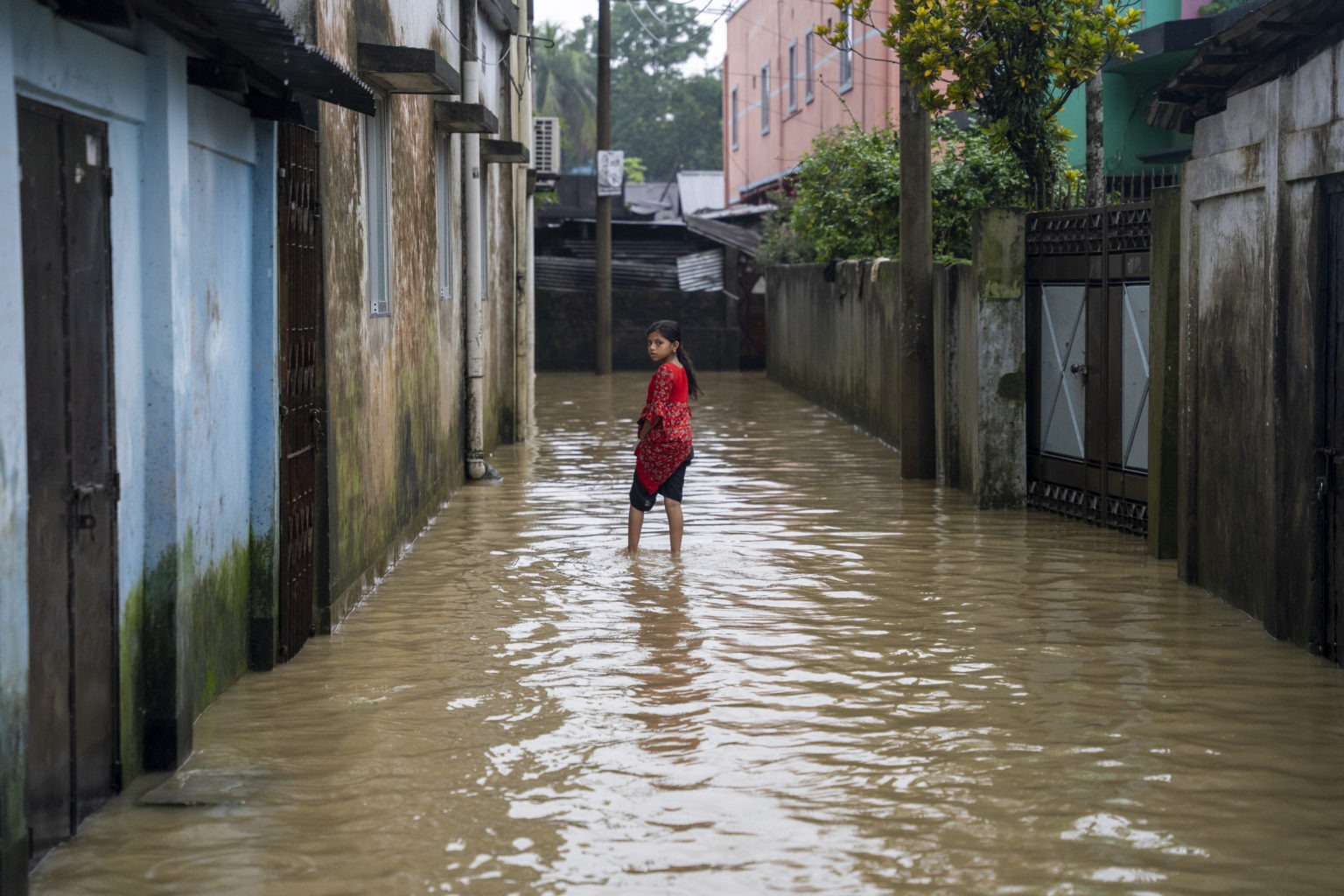
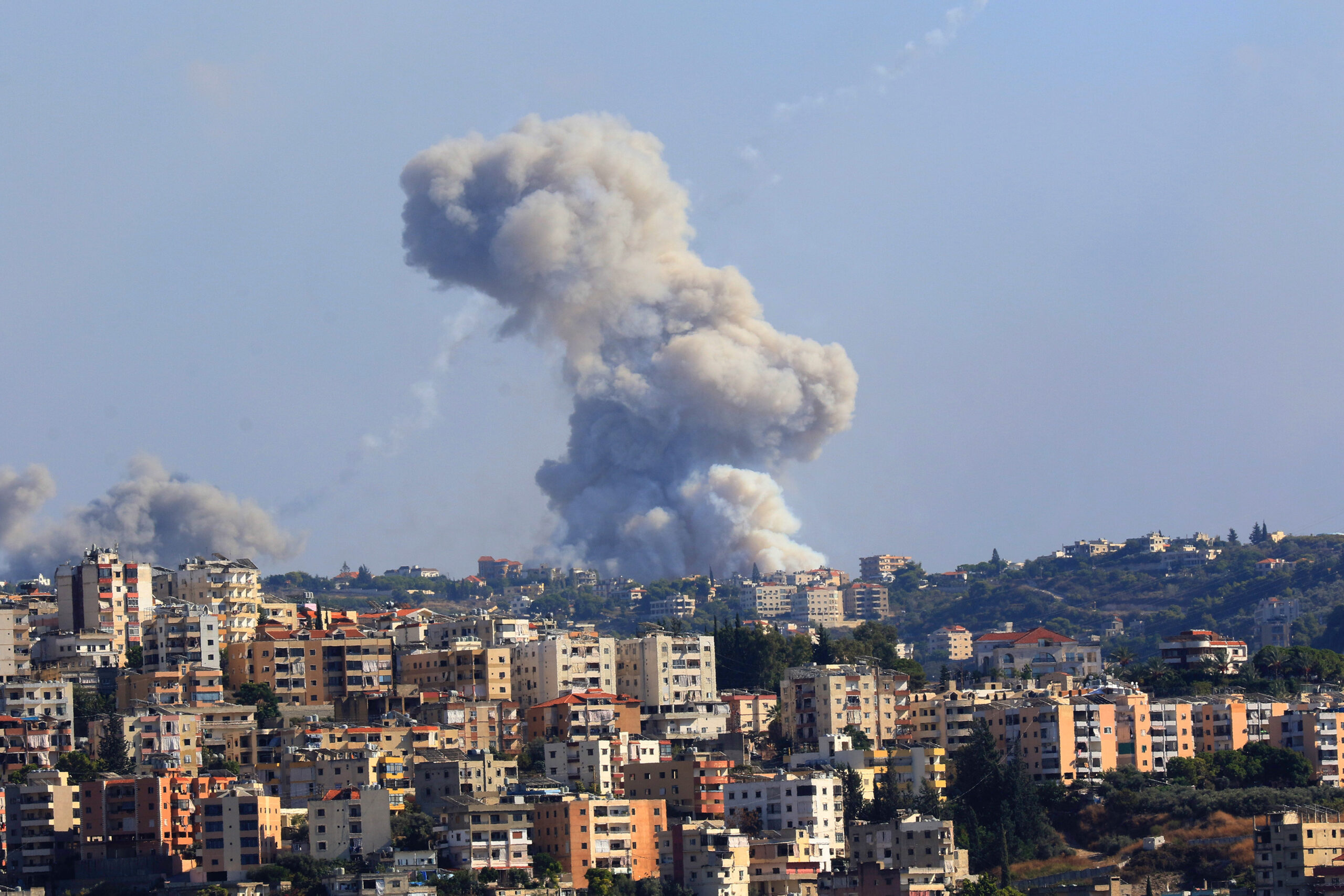
Today, more than one in five children lives in an area affected by conflict. Across Sudan, Gaza, Ukraine, Haiti and dozens of other emergencies, children are being killed, displaced, recruited into armed groups, denied education and separated from their families.
In 2025 alone, the United Nations verified more than 38,000 grave violations against children, affecting 24,174 children, the highest affected by grave violations since the beginning of UNICEF’s mandate.
UNICEF’s Children’s Emergency Fund helps us act immediately when crises strike, delivering life-saving support and protection to children before, during and after emergencies.
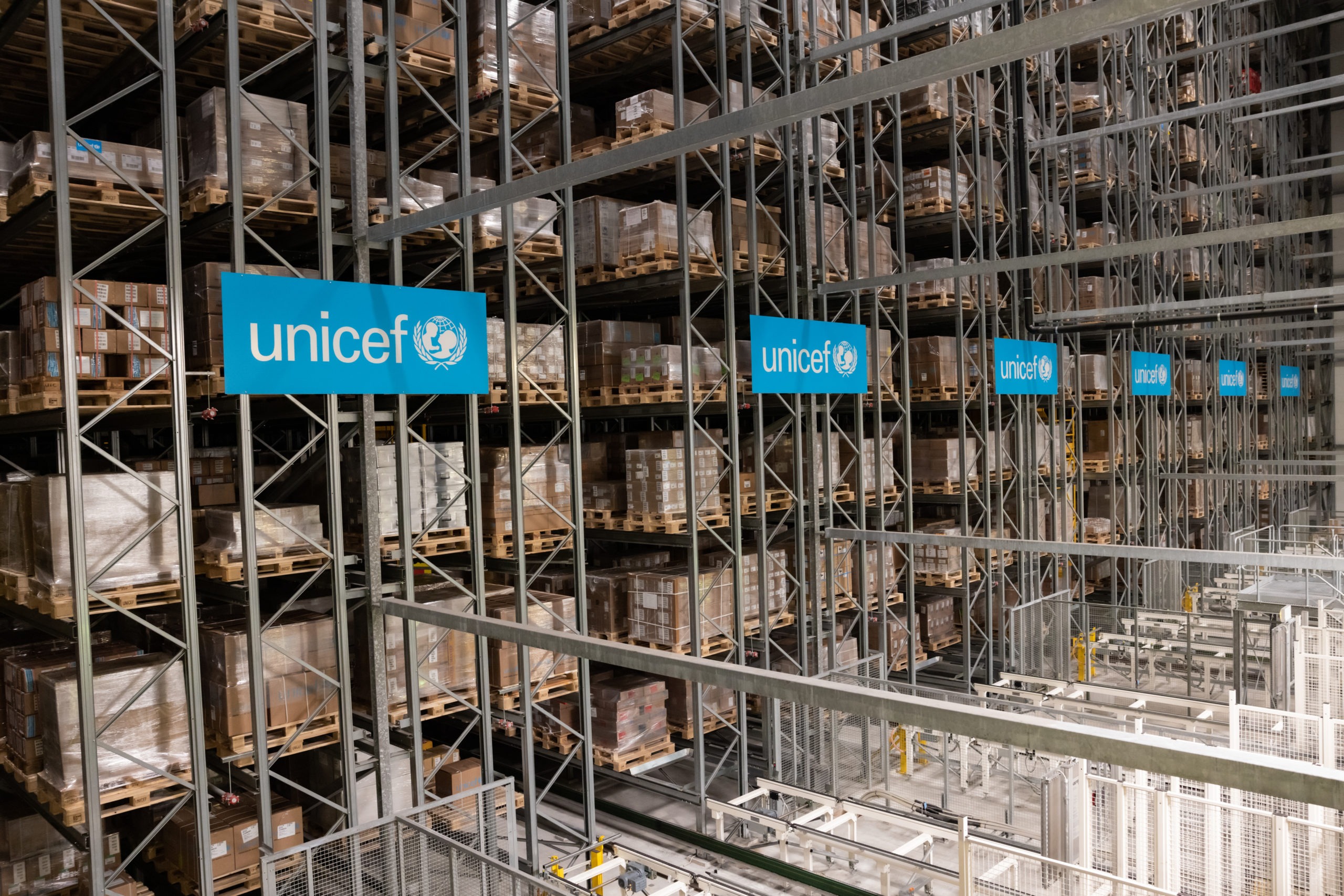
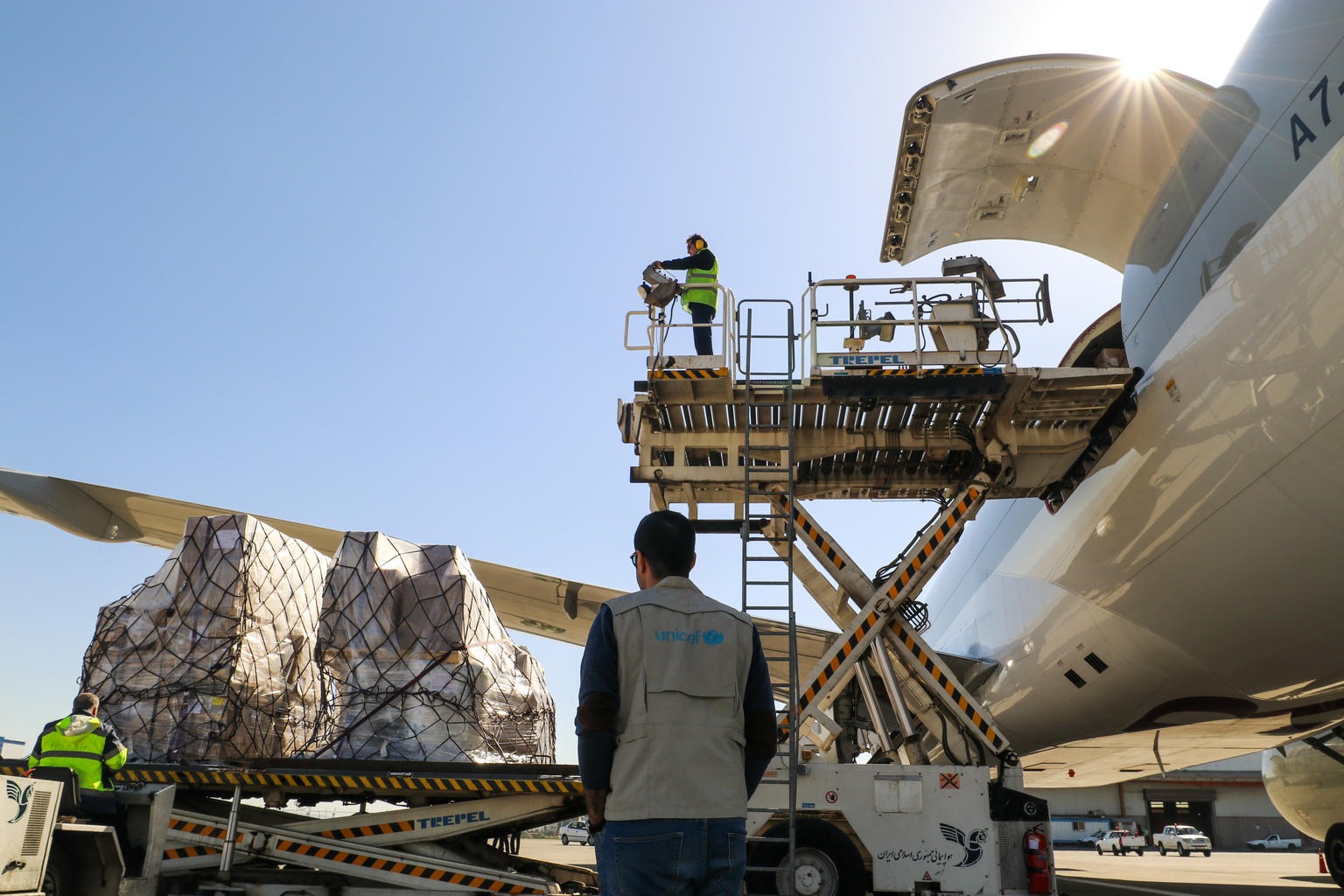
Supply Division, based in Copenhagen, is the largest humanitarian warehouse in the world.
Always ready to support children in emergencies
The sheer scale of UNICEF’s infrastructure and long-term development work around the world means that we are uniquely positioned to respond rapidly and effectively, no matter the crisis or location.
With a vast global procurement and distribution network, including the largest humanitarian warehouse in the world, UNICEF is equipped to respond to any crisis within 48 hours with lifesaving supplies and support.
Sustainable interventions are important because crises are not one-time shocks; their impact can last for years. UNICEF’s humanitarian action takes a cross-sectoral approach that includes health, nutrition, water, sanitation and hygiene (WASH), child protection, education, psychosocial support.
UNICEF in emergencies
In conflict and disaster, children suffer first and suffer most. During emergencies and humanitarian contexts, children are especially vulnerable. Children living in conflict areas are worst off – they are more likely to be living in extreme poverty or not enrolled in primary school.
The chaos and insecurity of war threatens or destroys access to food, shelter, social support and health care, and results in increased vulnerability in communities, especially for children. UNICEF focuses on these children and their families to provide them with the essential interventions.
UNICEF also works to strengthen the links between humanitarian action and development work. Our presence in many countries before, during and after emergencies, delivers a continuum of support. For example, the rehabilitation and upgrade of water and sanitation systems serve vulnerable households in both the immediate crisis and the longer term.
The impact
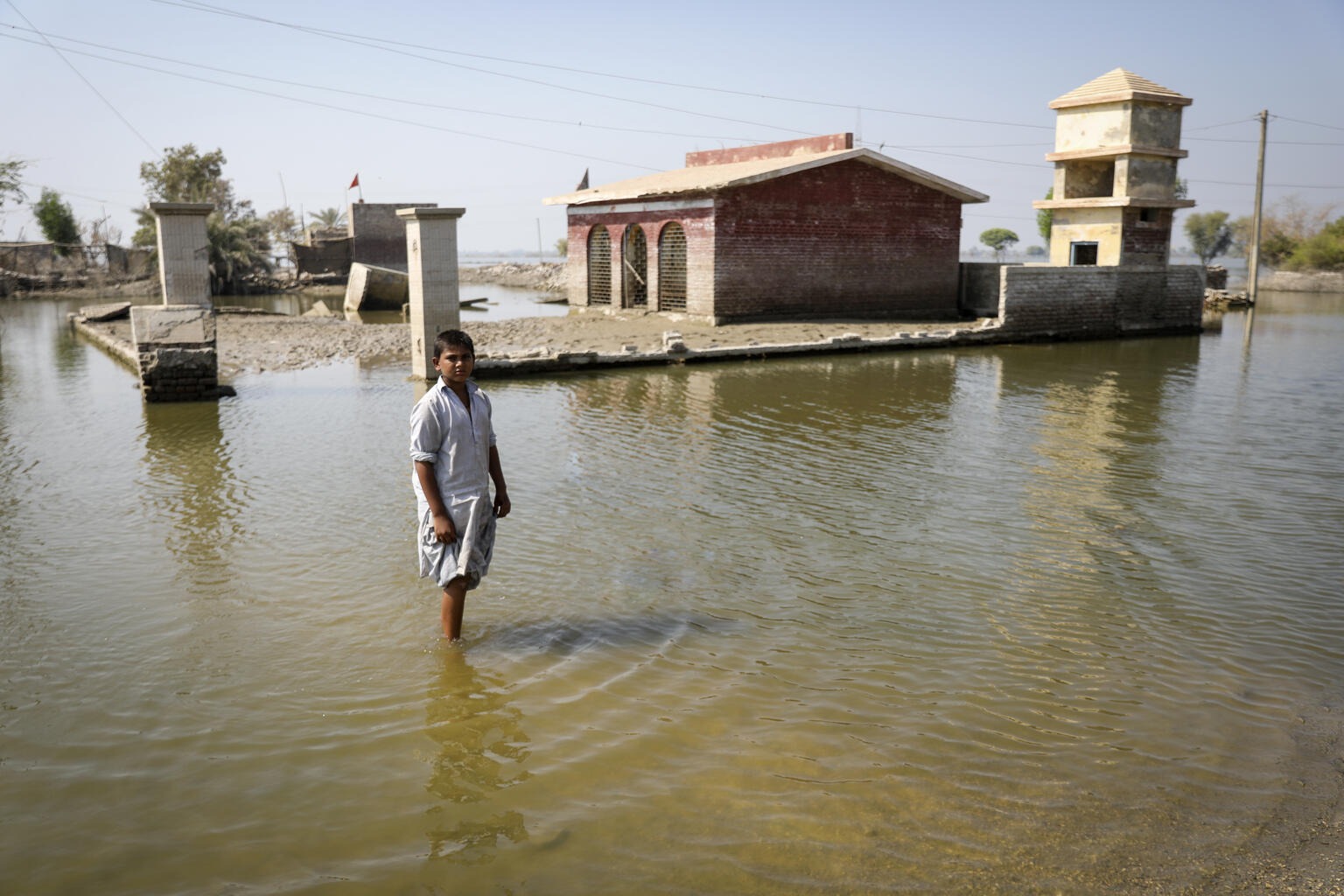
In 2025, conflict, climate disasters, and displacement left 213 million children in urgent need of humanitarian aid. Many faced hunger, lost access to health-care and education, and saw their futures disrupted.
With the support of our partners, UNICEF responded — providing clean water to 36.2 million people, vaccinating 38.7 million children, treating malnutrition in over 98 million under-fives, and reaching millions more with education, protection, and mental health support. These achievements were made possible by the Children’s Emergency Fund.
The Children’s Emergency Fund enables UNICEF to:
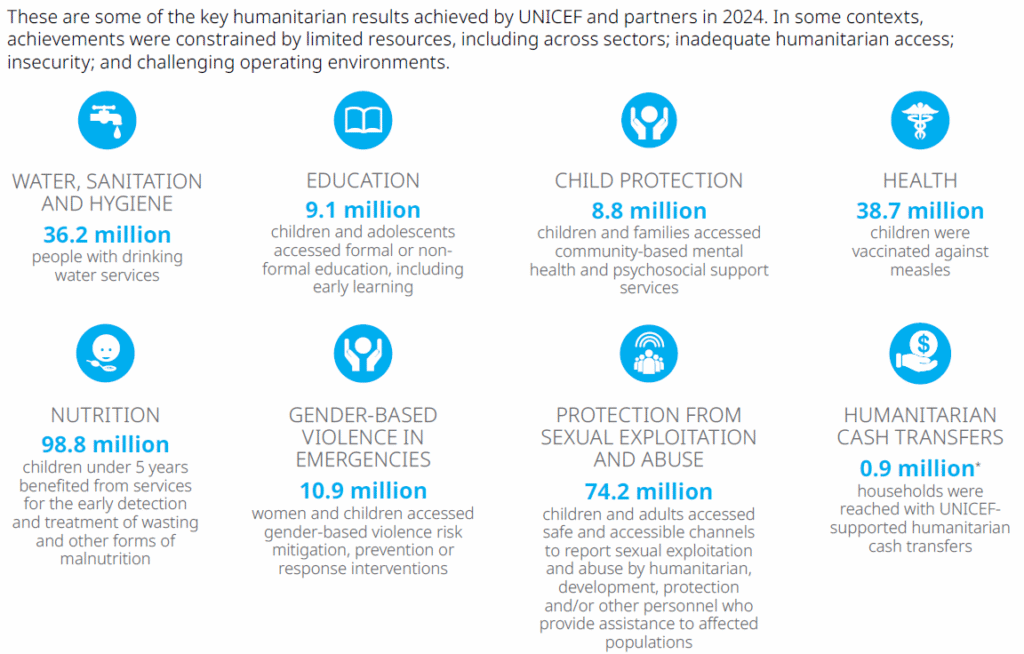
Explore the 2025 Impact Report outlining how UNICEF’s humanitarian action is designed to save lives and alleviate suffering before, during and after emergencies.
Children cannot choose the wars they are born into. We can choose how we respond.
Every child deserves safety, protection and hope.
By supporting UNICEF’s Children’s Emergency Fund, you help us reach children in the world’s most urgent emergencies with life-saving assistance and long-term protection.
Because every statistic represents a child.
And every child deserves a future.
If you are interested in supporting or learning more about the Children’s Emergency Fund, we would love to hear from you. Please get in touch using the details below or complete the online form and a member of our team will be in contact.
Philanthropy & Major Gifts
Should you or your family office wish to provide support, please contact Donna Marie O’Donovan, Head of Philanthropy at [email protected].
Corporate Partnerships
For businesses looking to support, contact our Corporate Partnerships team at [email protected].
Donations by cheque can also be sent directly by post to:
UNICEF Ireland, 33 Lower Ormond Quay, Dublin 1, D01 R283
Or by bank transfer using the details below:
Account Name: UNICEF Ireland
Bank Name: AIB
Bank Address: 7/12 Dame Street, Dublin 2
Account Number: 24070037
IBAN: IE37 AIBK 9333 8424 0700 37
BIC: AIBKIE2D