
Our space: child-friendly classrooms
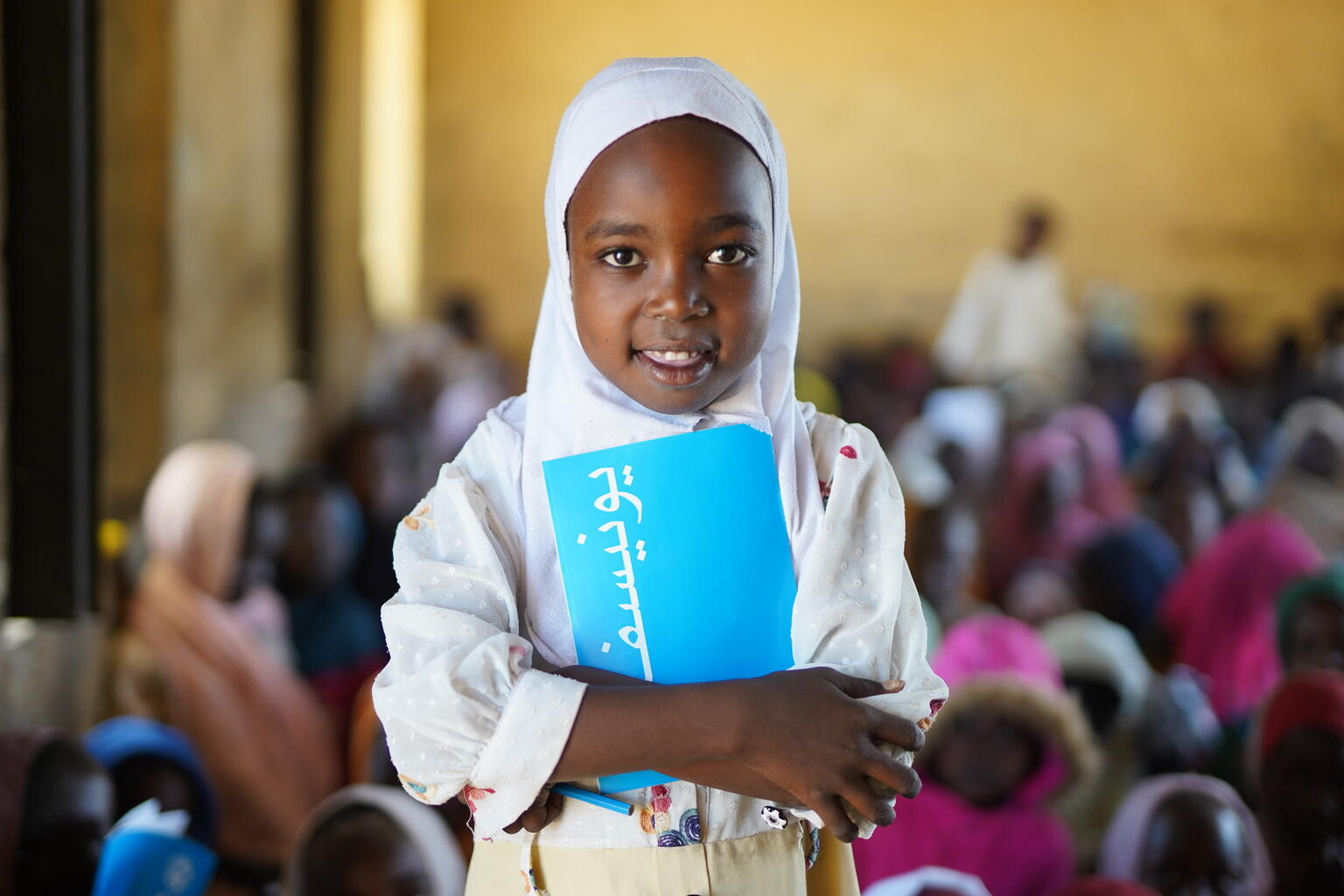
Seven-year-old Aya sits very still on her first ever day of school. She’s never been in a classroom before because conflict forced her family to flee and school was no longer an option.
Aya is in a Makanna centre – “our space” in Arabic – a calm, child friendly place supported by UNICEF for children whose lives have been torn apart by conflict.
With wide eyes and a shy smile, Aya whispers something small but telling: she wants somewhere safe to keep her books and pencils.
Her wish isn’t unusual but what is unusual is she can say it in a classroom at all. In Sudan, war has shut down thousands of schools. Around 8 million children are out of school and roughly one in three schools are no longer operational. It is the world’s largest humanitarian emergency – and one of the least visible. But children do not get to pause growing up while the world looks elsewhere.
Safety provided from Ireland
The safety for children like Aya in Sudan is provided in part thanks to UNICEF supporters here in Ireland.
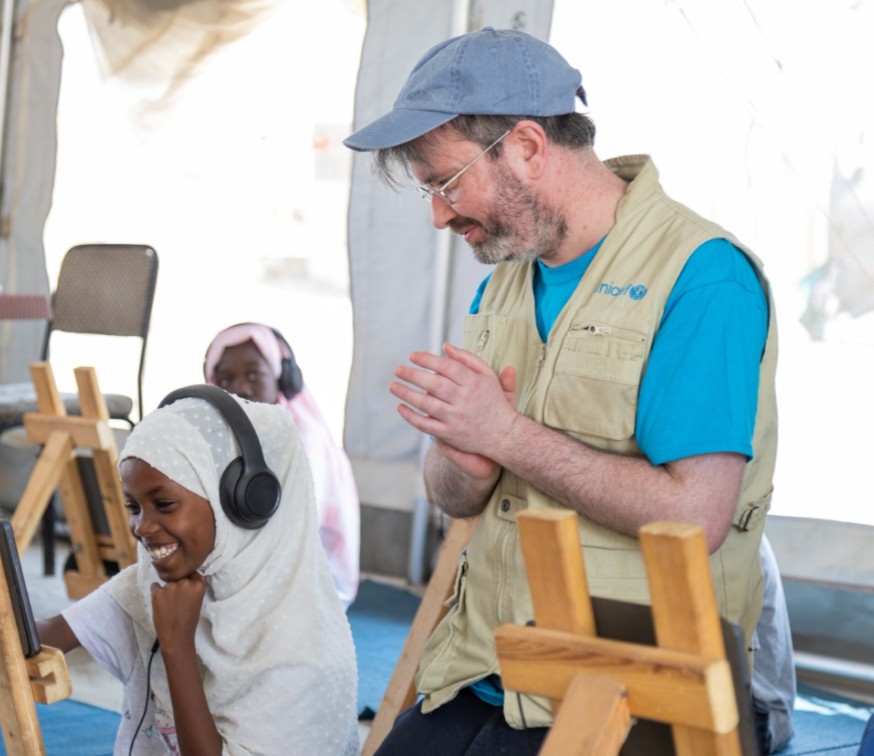
When Justin from the UNICEF team in Ireland visited last year, he saw the transformative effect of that support first hand.
Walking into the Makanna centre, the first thing he noticed was the calmness and the gentle hum of activity. Children were reading, colouring, talking quietly. For many, it was first time in months they had felt safe.
Makanna centres bring several essentials under one roof: education support, child protection and water, sanitation and hygiene (WASH).
Children can get safe drinking water, clean toilets (including separate facilities for girls) and a stable environment where learning can restart.
In a conflict, “school” is rarely just school. It’s safety, a routine and an adult who says, “you matter.”
A small act of confidence
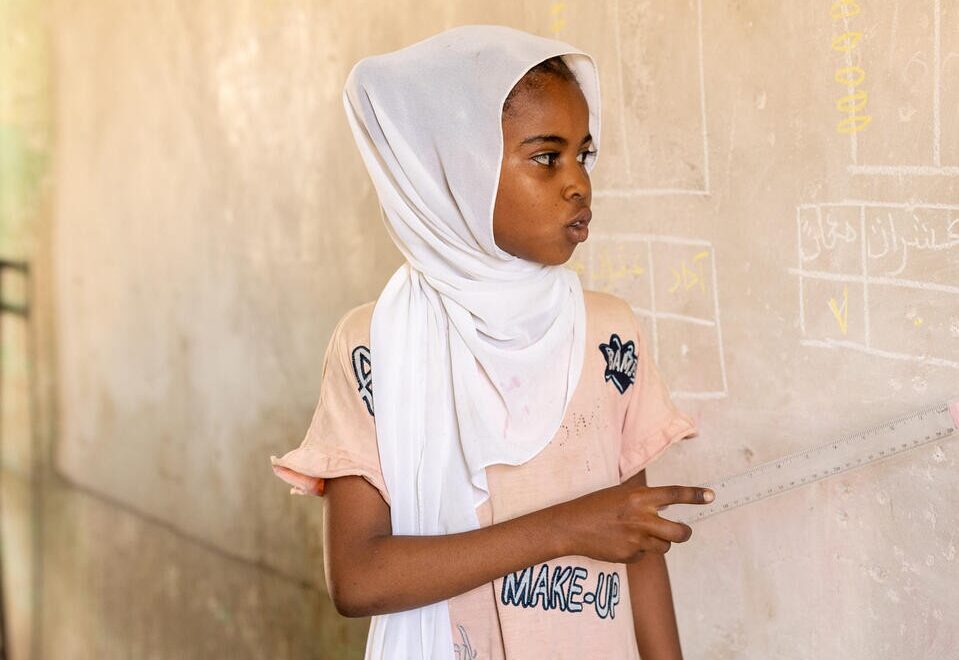
Aya is not the only one rebuilding. Thirteen-year-old Shaza fled Khartoum after losing her father. She arrived frightened and unsure.
Then one day, during a maths lesson, she bravely volunteered to lead an exercise for her classmates.
Using an abacus and a few pencils she showed her classmates how to add numbers. This small act gave Shaza some much needed confidence.
Shaza wants to become an engineer and rebuild her family home. “This was my father’s only wish,” she says.
How learning continues – in or out of the classroom
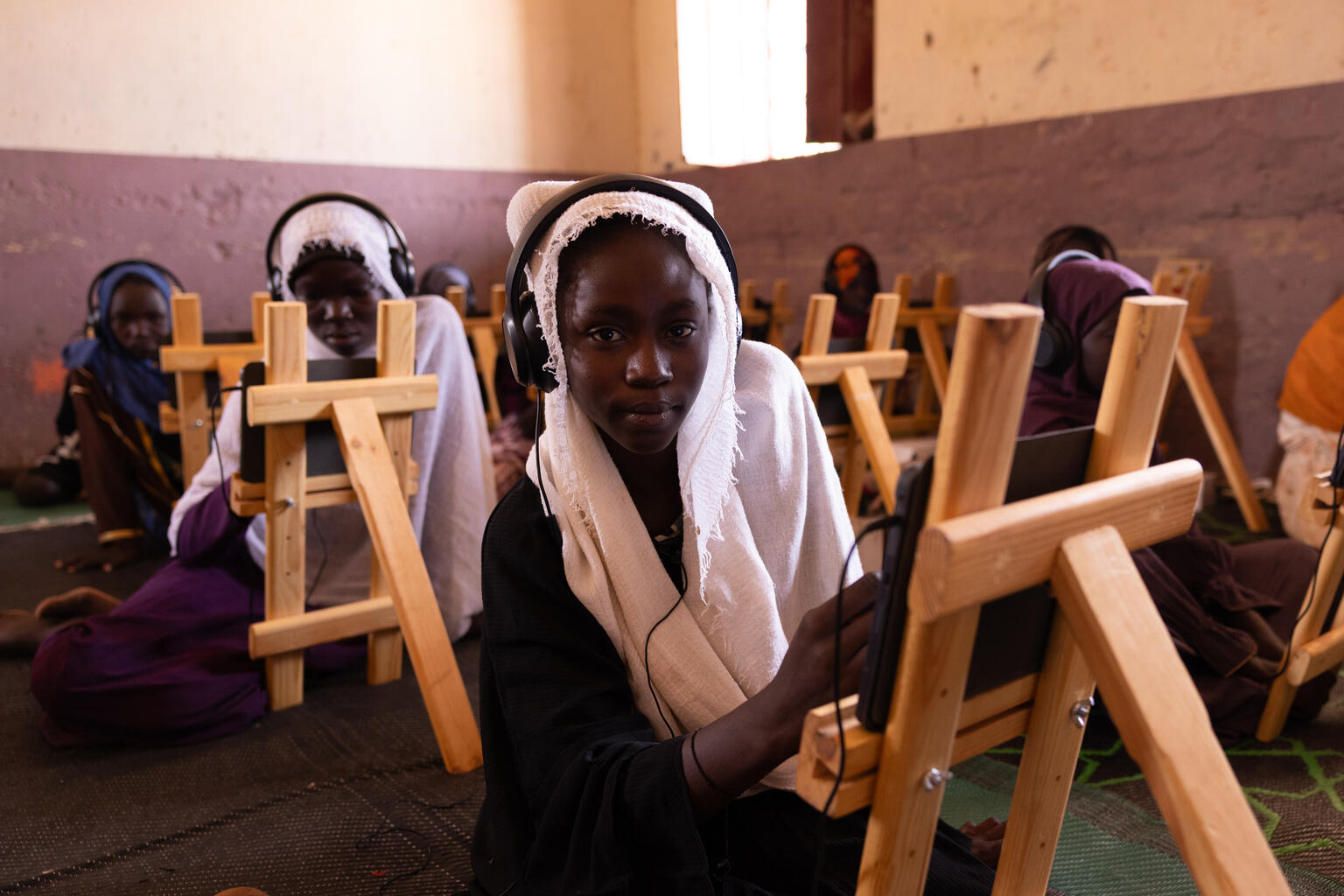
Of course, not every child can reach a centre. Some are displaced again and some live far from any safe building. This is why UNICEF also uses the “Learning Passport”; a digital platform used in the classroom but designed so children can keep learning even when schools close.
It works online and offline – which matters in places with little internet or unreliable power. For a child whose education has been interrupted by war, it’s a way to catch up. It restores progress and gives them a sense of control when everything else feels uncertain.
Learning Passport now supports over 10 million children in 47 countries. Products like this don’t appear overnight.
Funded by gifts in Wills
UNICEF relies on donations and gifts in Wills to make these long-term investments in education; building content that matches curricula, making it work offline, keeping it updated and getting it into the hands of children who may be moving from place to place.
This is one reason why a gift in your Will is so vital. It’s the funding which enables UNICEF to deliver innovations like Learning Passport for the long haul. And takes it to displaced children wherever in the world they are.
A different way to think about your legacy
In Ireland, many people first think about making a Will for practical reasons: to spare family hard choices later, to tidy loose ends, to make sure wishes are clear. UNICEF Ireland’s Bucketful of Dreams starts there, but does much more.
“It is a free, no-pressure invitation to reflect on your life, your values and your next chapter,” explains Pauline Murphy, UNICEF Ireland’s Legacy Gifts Manager. “It’s part journal, part keepsake and, if you choose, a simple way to explore leaving a gift in your Will to help children build their futures.”
Many people don’t realise how important legacy gifts are; funding the work that has to be planned, built and sustained over time. They give UNICEF the flexibility to strengthen programmes, respond to emergencies and adapt when priorities shift.
UNICEF’s Bucketful of Dreams helps making – or revising – your Will easier. You can get a journal, which offers you a space to reflect on what matters most to you. A place to capture your dreams, whether they are accomplished or still waiting to be achieved – and a way of leaving behind your personal memories and messages.
Your gift can help rewrite a child's future.
Add one more tick to your bucket list and start your legacy journey today.