

Quality care for children everywhere
Tremendous progress has been made in child and maternal health over recent decades. More children are living to see their fifth birthday, and fewer mothers are losing their lives in childbirth.
But millions are still dying from entirely preventable causes. Stark inequalities persist, and children living in poverty, with a disability, or caught in conflict zones remain the most vulnerable of all.
Every child has the right to quality healthcare. Read on to hear the stories of the families UNICEF has supported, and the difference the right care can make.
Bin Yamin’s story: local foods and early nourishment
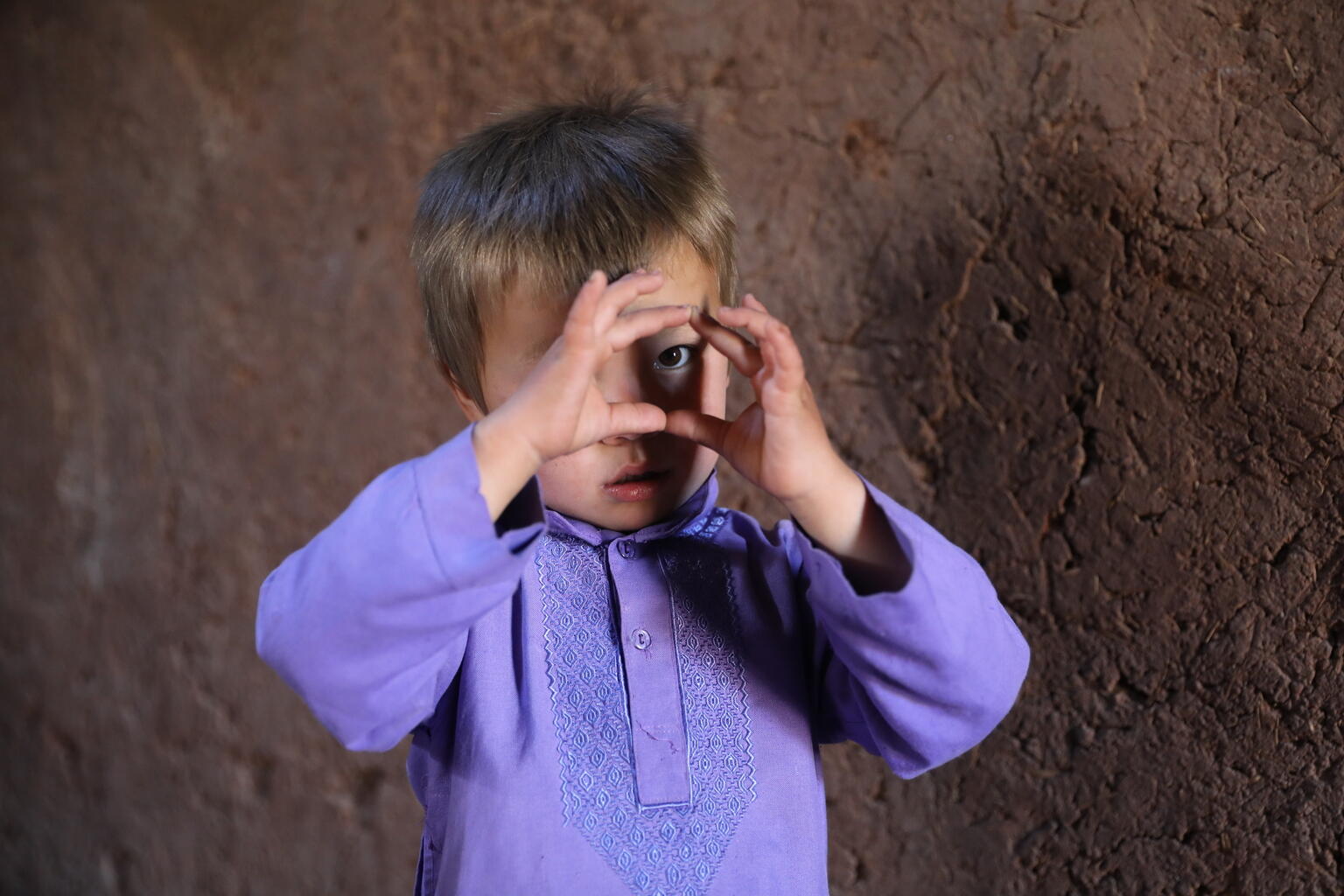
In the Foladi Valley of Bamyan, three‑year‑old Bin Yamin plays outside his home while his mother, Nikbakht, prepares a simple meal using vegetables grown around their house.
These homegrown foods are among the few nutritious ingredients she can rely on to feed her children. Across Afghanistan, young children face severe food poverty, with half experiencing serious nutritional deprivation and 3.5 million suffering from wasting. Stunting affects about half of Afghanistan’s young children, limiting their growth and development.
Nikbakht’s daily efforts reflect the wider struggle families face in securing diverse, nutritious diets for their children.
To address this, UNICEF is helping improve access to local, homemade and homegrown complementary foods.
For families like Bin Yamin’s, who already depend on what they can grow themselves, this initiative strengthens the practices they rely on while expanding what is possible. It focuses on the foods children actually eat each day, not only on the services available to them.
As these efforts scale, families in remote valleys like Foladi will be better equipped to give young children the nourishment they need to survive and thrive.

Shifra’s story: rebuilding life after Mpox
All three of Shifra’s children contracted Mpox, and as fear spread through their village in Uganda, neighbours kept their distance. Some threw stones at the family’s home. Overnight, they found themselves isolated and without a way to earn a living. Shifra’s small brickmaking business had halted when she became ill, leaving her unable to buy food, pay for transport or cover school fees.
“Everything stopped,” she says. “I didn’t know how we would begin again.”
After recovering, Shifra received a humanitarian cash transfer, which allowed her to buy food, restart her brickmaking work and send her children back to school. This support formed part of a UNICEF‑led humanitarian cash programme to assist families affected by the 2024–2025 mpox outbreak.
For Shifra, the support allowed her family to begin recovering from both the disease and the loss of income it caused. Her story illustrates how targeted assistance can help families rebuild their footing after health emergencies disrupt everyday life.
Can you help children's health?
With support from you, UNICEF can reach children with life-saving healthcare now.

Mussab’s story: healing in Ethiopia
Mussab, age four, arrived at the stabilisation centre in Ethiopia too weak to eat, his small body swollen with nutritional oedema, a sign of severe acute malnutrition. Health workers began treatment immediately, giving him therapeutic milk to stabilise his condition. His mother, Zewdiya Abadiga, described the hardship her family had faced.
“My husband and I are farmers,” she says. “We used to have cattle and our region was known for its dairy products, but all our cattle died because of a disease.”
With no livestock, the family lost its main source of food and income.
Zewdiya now supports her seven children on about 65 Birr a day, roughly fifty cents, stretching what she can to buy maize. Mussab is her youngest and the first to become seriously ill with malnutrition. When he stopped eating and swelling appeared, the local health centre quickly referred him to a hospital stabilisation unit, where UNICEF provides therapeutic food, medicines and technical support.
Mussab is now steadily regaining strength. His progress reflects the impact of a well‑supported nutrition system in a region where families’ resilience is continuously tested by climate pressures and economic hardship.

Reaching mothers and babies in Mozambique
In Metuge District of Cabo Delgado, a small temporary space was prepared to replace the mobile health brigade post that had been destroyed when Cyclone Chido tore through northern Mozambique in late 2024.
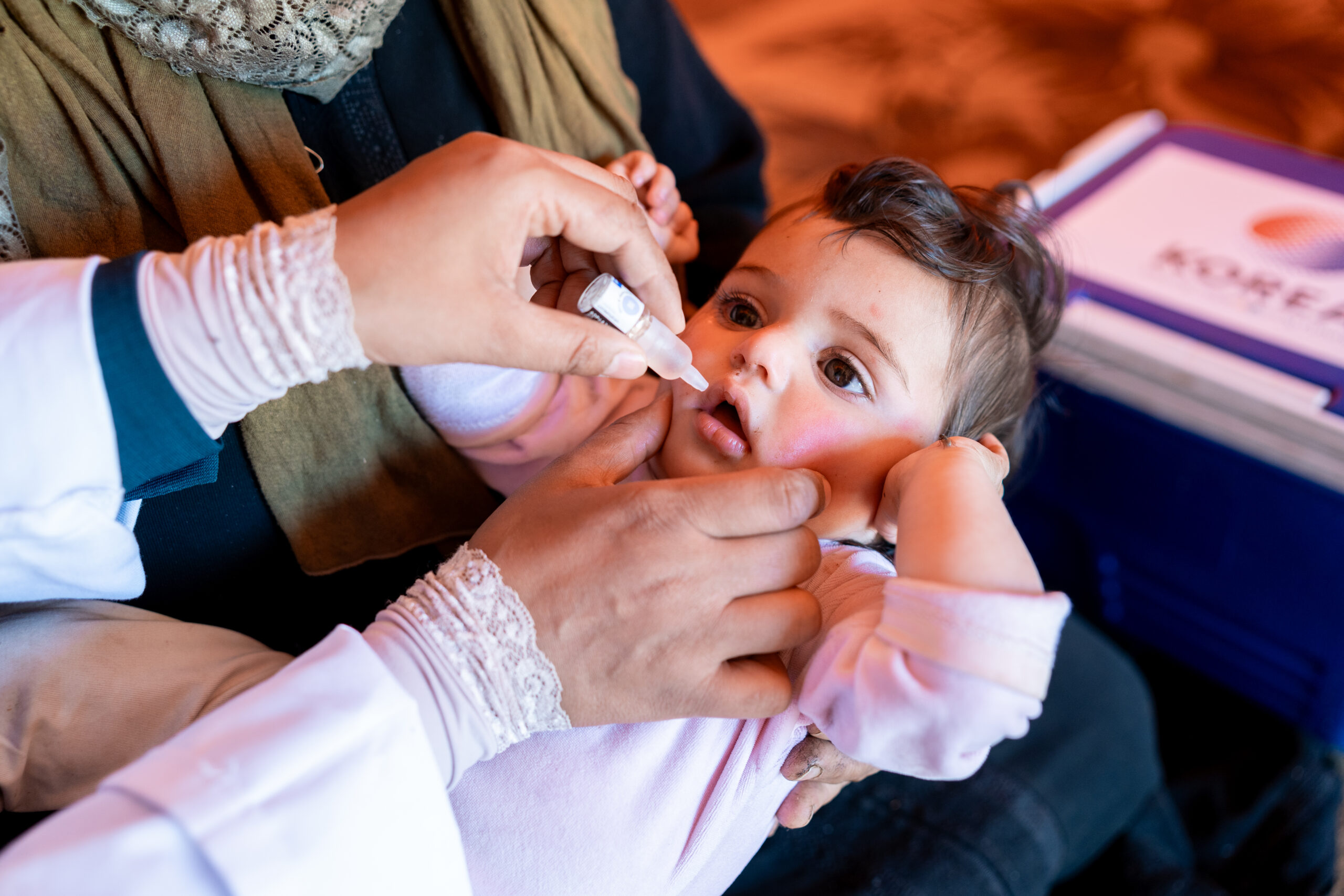
It was there that Angela Abudo arrived with her two‑month‑old daughter, Atija. Health workers administered the baby’s IPV/polio vaccine, ensuring she received essential protection close to home.
“I am really happy that the mobile brigade is here,” Angela said. “I didn’t have the money to travel to the hospital for the vaccines. We can walk here from our house – it is really close.”
Cyclone Chido affected more than 272,000 people in Cabo Delgado. Homes, health posts and essential infrastructure were damaged or destroyed, compounding the challenges faced by families already displaced by conflict.
In this environment, mobile health brigades play an essential role. They bring maternal and child health services directly to communities that cannot afford transport or that live far from functioning health facilities.
For baby Atija, receiving her vaccines close to home offers crucial protection during a period of overlapping crises.