
Every Child Rights
UNICEF’s role is to help make these rights real for every child, everywhere.
In 2025, UNICEF continued to reach millions of children with lifesaving services and support.
Here in our annual report, we demonstrate what is possible when governments, donors, communities and UNICEF work together for every child.
In 2025, UNICEF and its partners reached millions of children worldwide with lifesaving services and support. Amid war, climate shocks and deepening humanitarian crises, children were vaccinated, nourished, protected and connected to safe water.
These achievements demonstrate what is possible when governments, donors, communities and UNICEF work together to uphold the rights of every child.
Supplies remained a lifeline for children in some of the world’s most fragile contexts. In 2025, UNICEF procured US$5.677 billion worth of supplies and services for children across 164 countries and territories, ensuring life-saving assistance in both humanitarian emergencies and long term development programmes. From disease outbreaks to displacement and climate related disasters, UNICEF’s supply chains enabled vital support to reach children wherever they were needed most.
This report reflects what was achieved in 2025. It highlights lives changed, systems strengthened and hope restored for children and their communities. None of this progress would be possible without the commitment and compassion of those who support UNICEF’s work.
In 2025, UNICEF Ireland’s contribution to children in Ireland and around the world reached €41.3 million. This was made possible through the generosity of the Irish public and the commitment of corporate partners, foundations and philanthropists.
Support from Ireland helped enable UNICEF to deliver protection, education, nutrition and safe water to children affected by conflict, climate change and inequality, ensuring help reached those who needed it most.
Thank you for standing with us, and with every child.
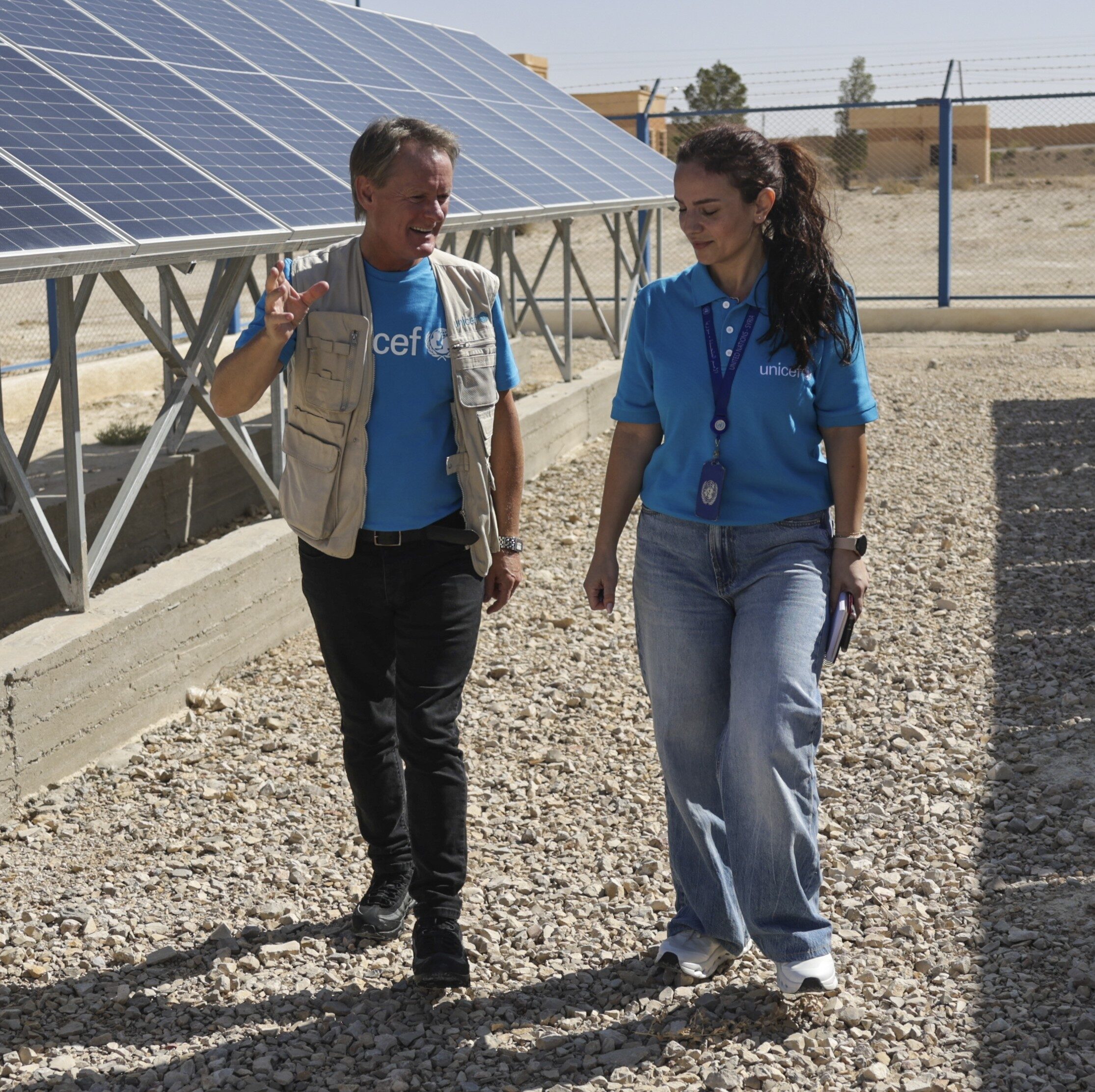
Peter Power during a visit to Syria.
2025 was a defining year for children around the world. In 2025, children’s lives were shaped by conflict, displacement and deep uncertainty on an unprecedented scale. At the same time, the response from supporters across Ireland and the determination of UNICEF teams globally demonstrated what is possible when children’s rights remain a shared priority.
Over the course of the year, I travelled to three of UNICEF’s largest humanitarian responses in Sudan, Afghanistan and Ukraine. In each setting, I saw the devastating impact of crisis on children’s lives, but I also witnessed their resilience, courage and capacity for hope. I met UNICEF staff and partners working in extraordinarily difficult conditions, united by a refusal to give up on children, no matter how complex or prolonged the crisis.
The continuing humanitarian catastrophe in Gaza remains one of the gravest emergencies of our time and was a major focus for our supporters in 2025. The generosity of Irish people enabled UNICEF to provide essential aid to children and families. Across the country, communities, schools, partners, and the public showed extraordinary solidarity with children in Gaza, as they have with children in every emergency.
Here in Ireland, our national advocacy continued to play a vital role in championing children’s rights both globally and domestically. We engaged policymakers, civil society, and the public to ensure children affected by conflict remained a political priority, and that Ireland continued to advocate for humanitarian access and the protection of civilians.
This year also saw the publication of two major research reports that helped shape public debate and inform policy and advocacy. Report Card 20, UNICEF’s flagship assessment of child wellbeing in high income countries, highlighted persistent challenges facing children, including inequality and mental health. Overcoming Malnutrition: Tackling Obesity in Childhood reinforced the urgent need for a comprehensive response to malnutrition in all its forms, strengthening our evidence base and our ability to advocate for lasting change.
None of our work would be possible without the extraordinary generosity of the Irish public, our partners, supporters, staff and board members. Our UNICEF Ambassadors also gave incredibly generously of their time throughout 2025 to amplify UNICEF’s message of hope for the world’s children.
As we reflect on 2025, one truth remains clear. Every child, wherever they are born, deserves safety, dignity and hope.
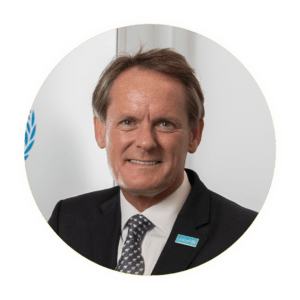
Peter Power,
Executive Director
Maintaining public trust is the foundation on which our work depends. Transparency, sound governance, and clear decision-making are the pillars that guide our oversight.Paul Connelly, UNICEF Ireland Chairperson
UNICEF’s role is to help make these rights real for every child, everywhere.
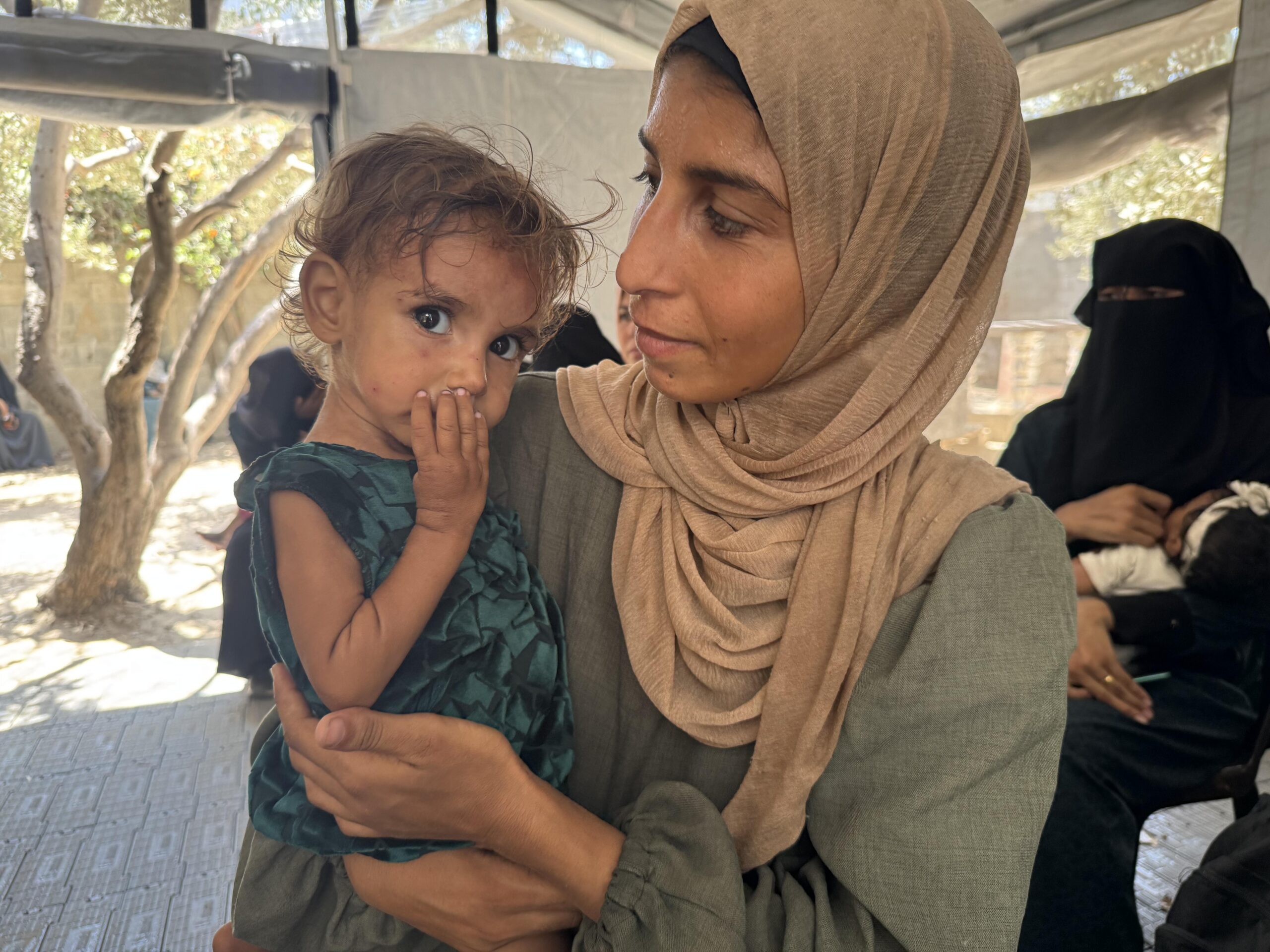
Every child has the right to grow up safe and healthy. Yet in conflict and disaster, children are the first to suffer and the least protected.
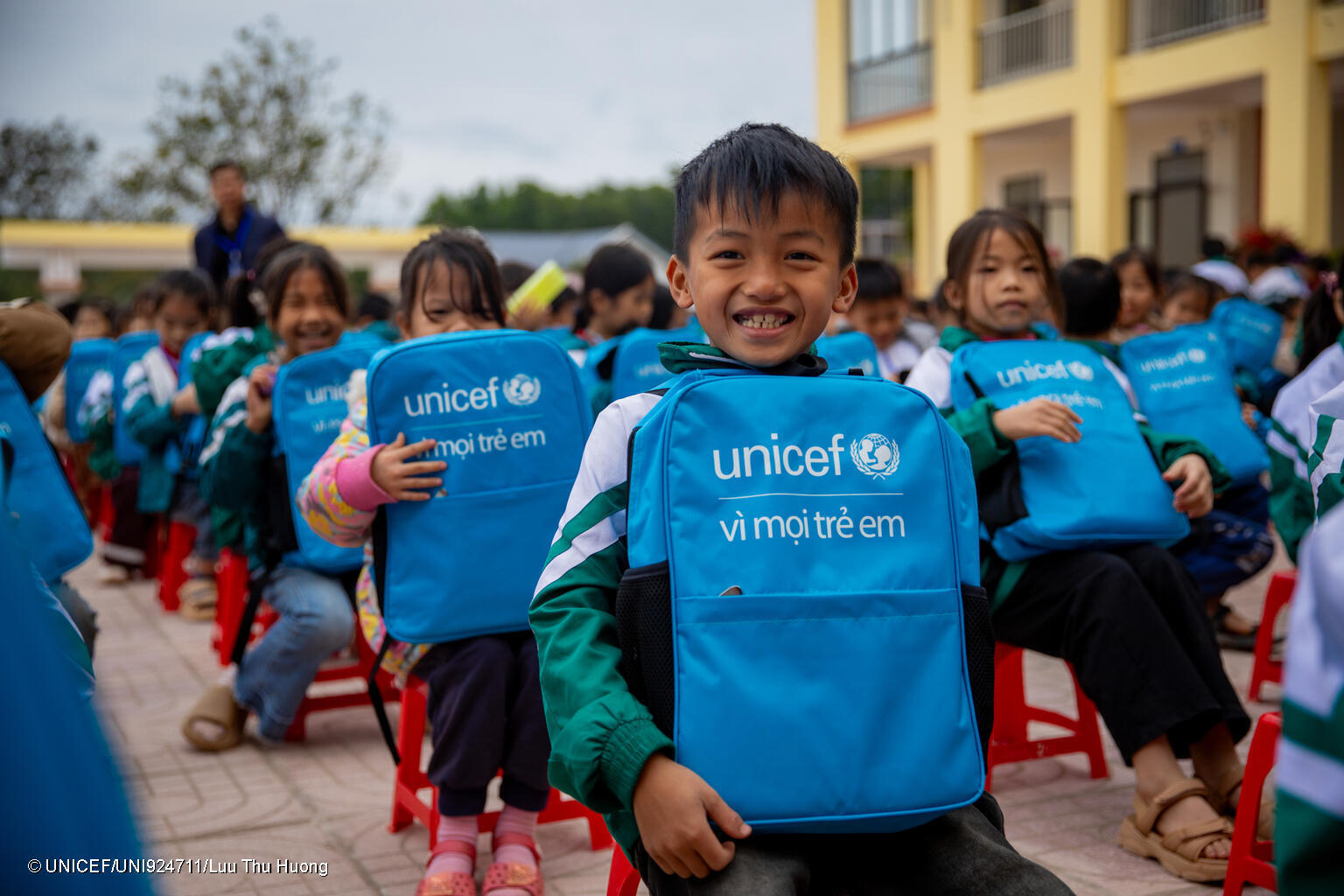
UNICEF works to ensure that every child can learn, even during emergencies.
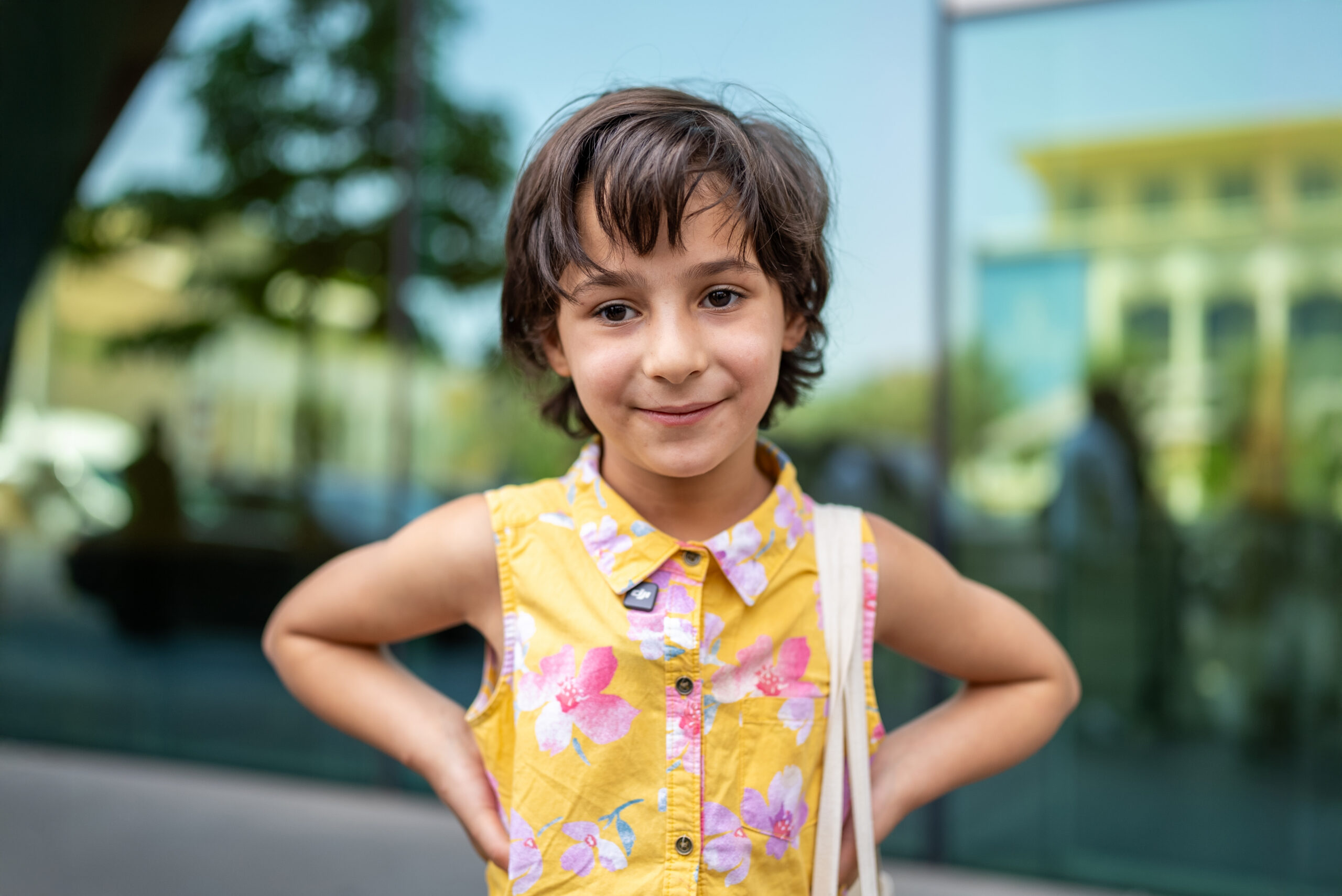
UNICEF works to ensure that every child is protected, delivering critical services and safe spaces where children can begin to heal.
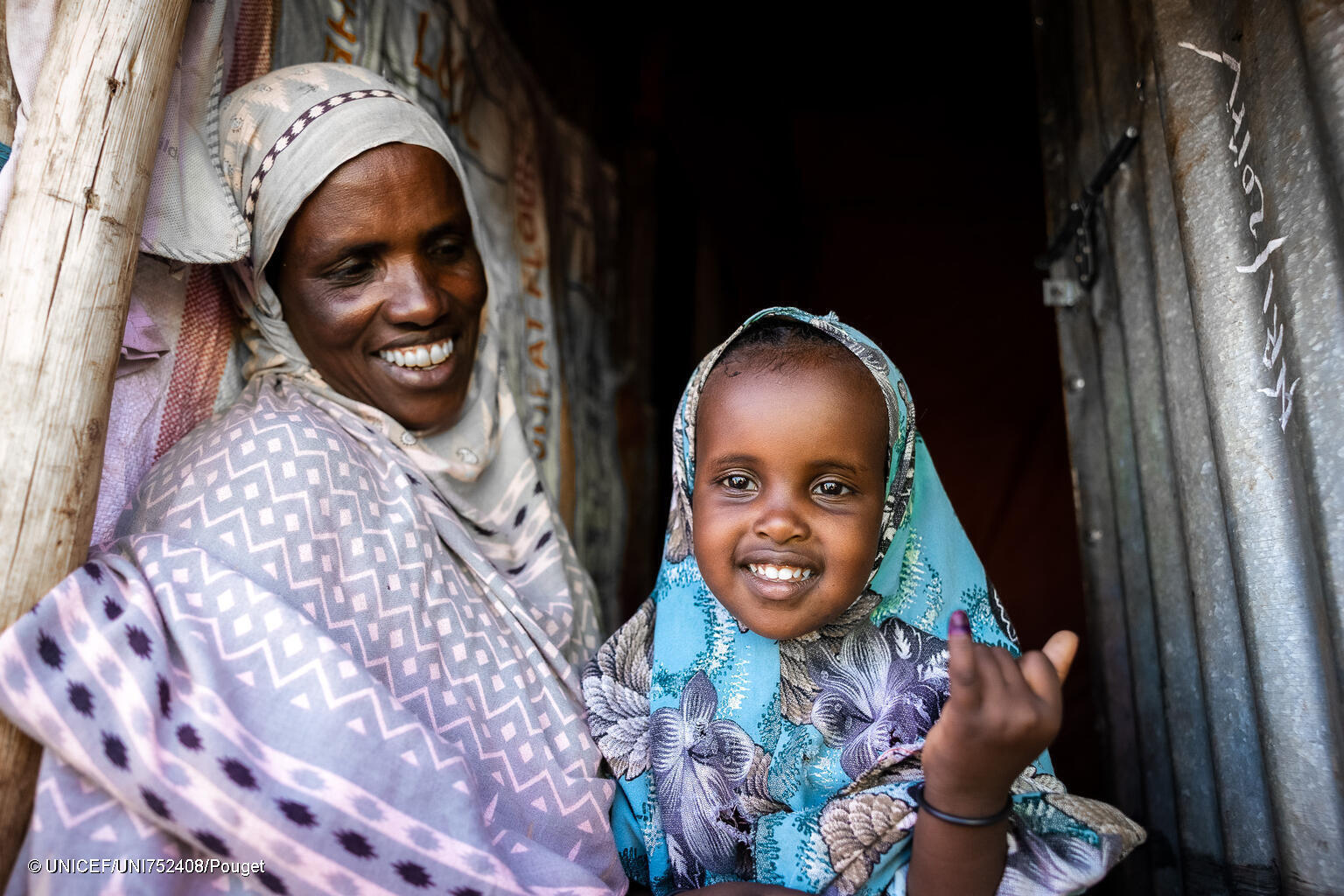
UNICEF is on the frontline of child health, ensuring that the most vulnerable children receive the care they need at the moment they need it most.
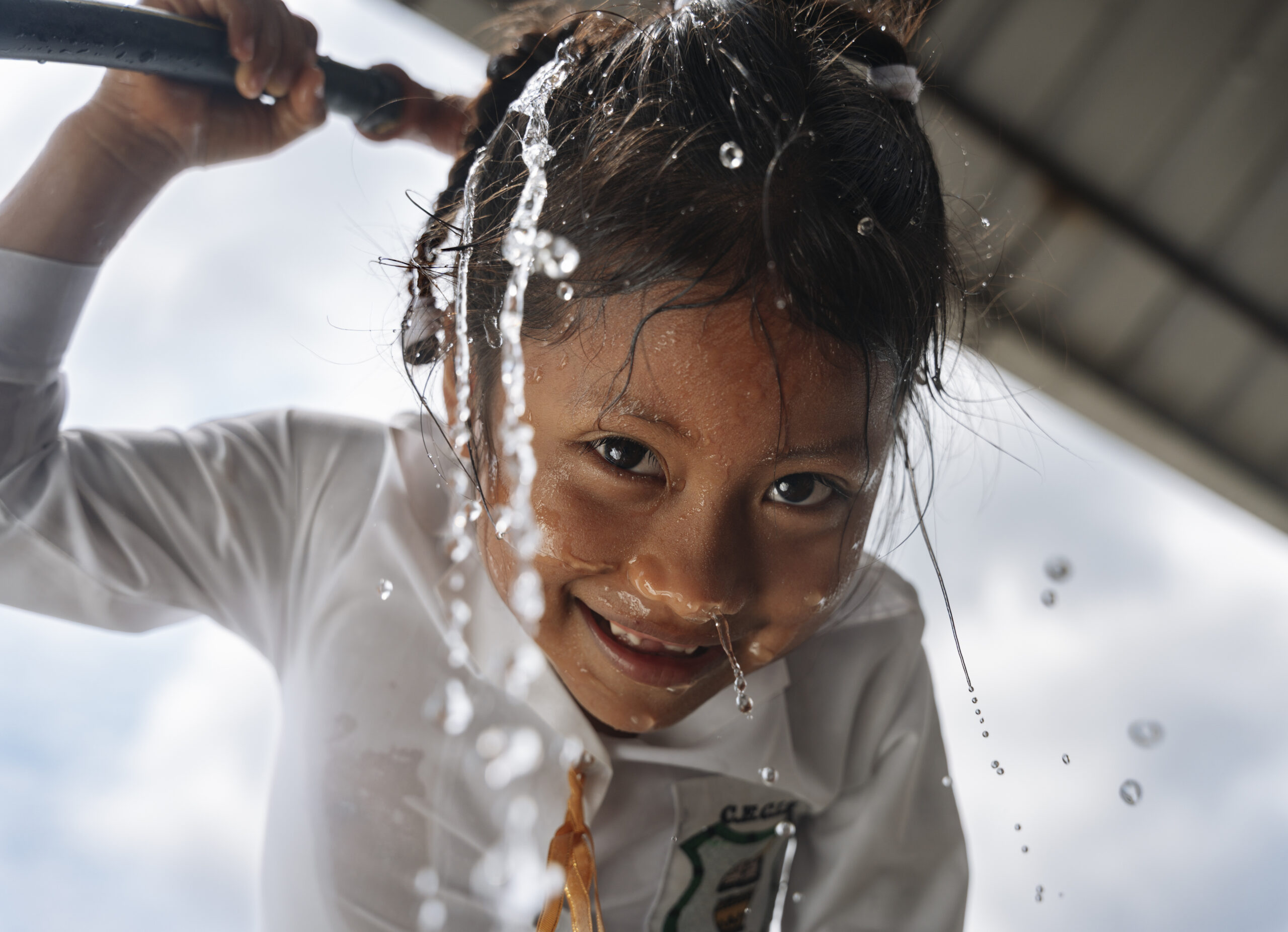
UNICEF works to ensure that every child can rely on clean water, safe sanitation and healthy environments, no matter where they live.
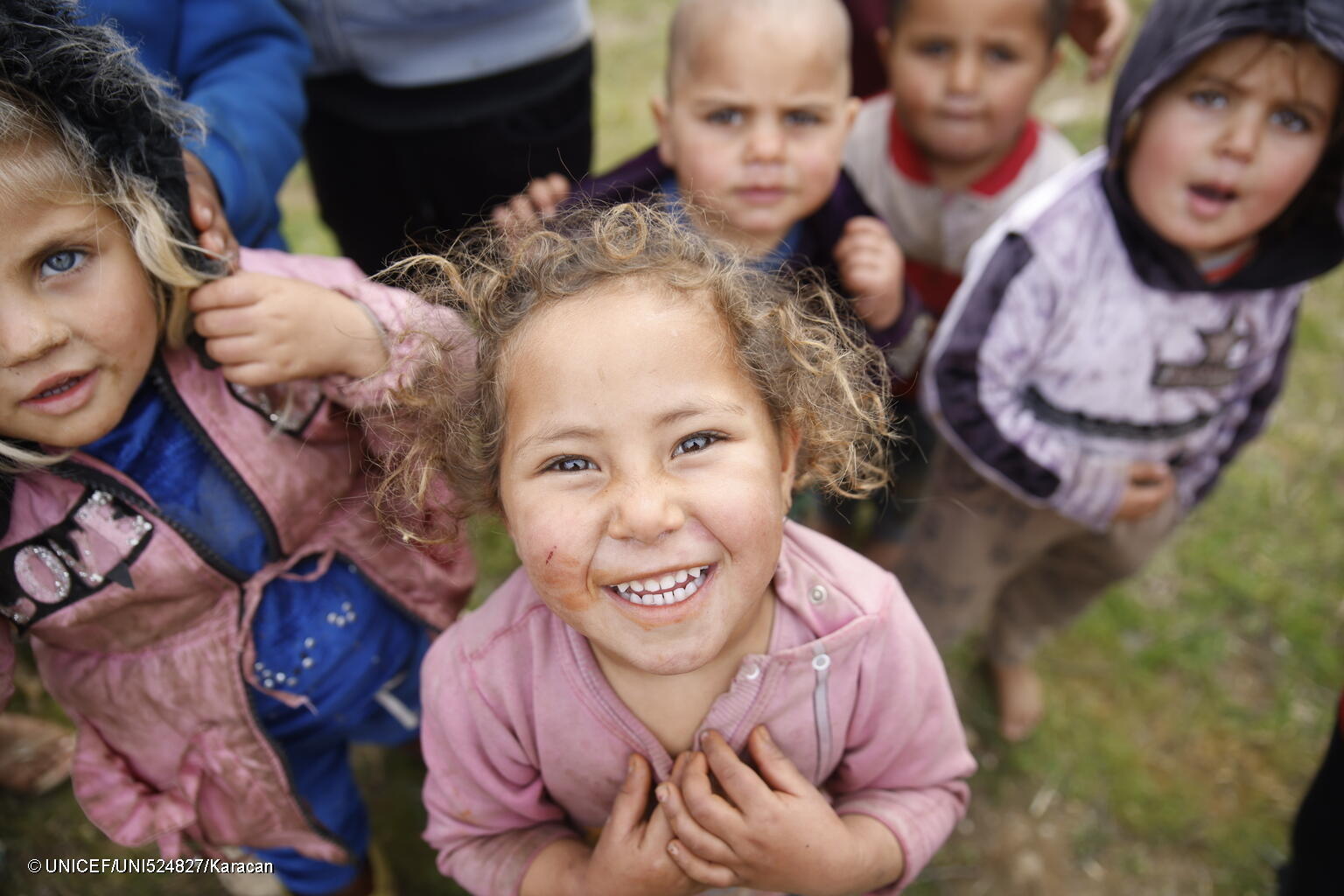
Too many children continue to face barriers that limit their opportunities and exclude them. With your support, we can change that.
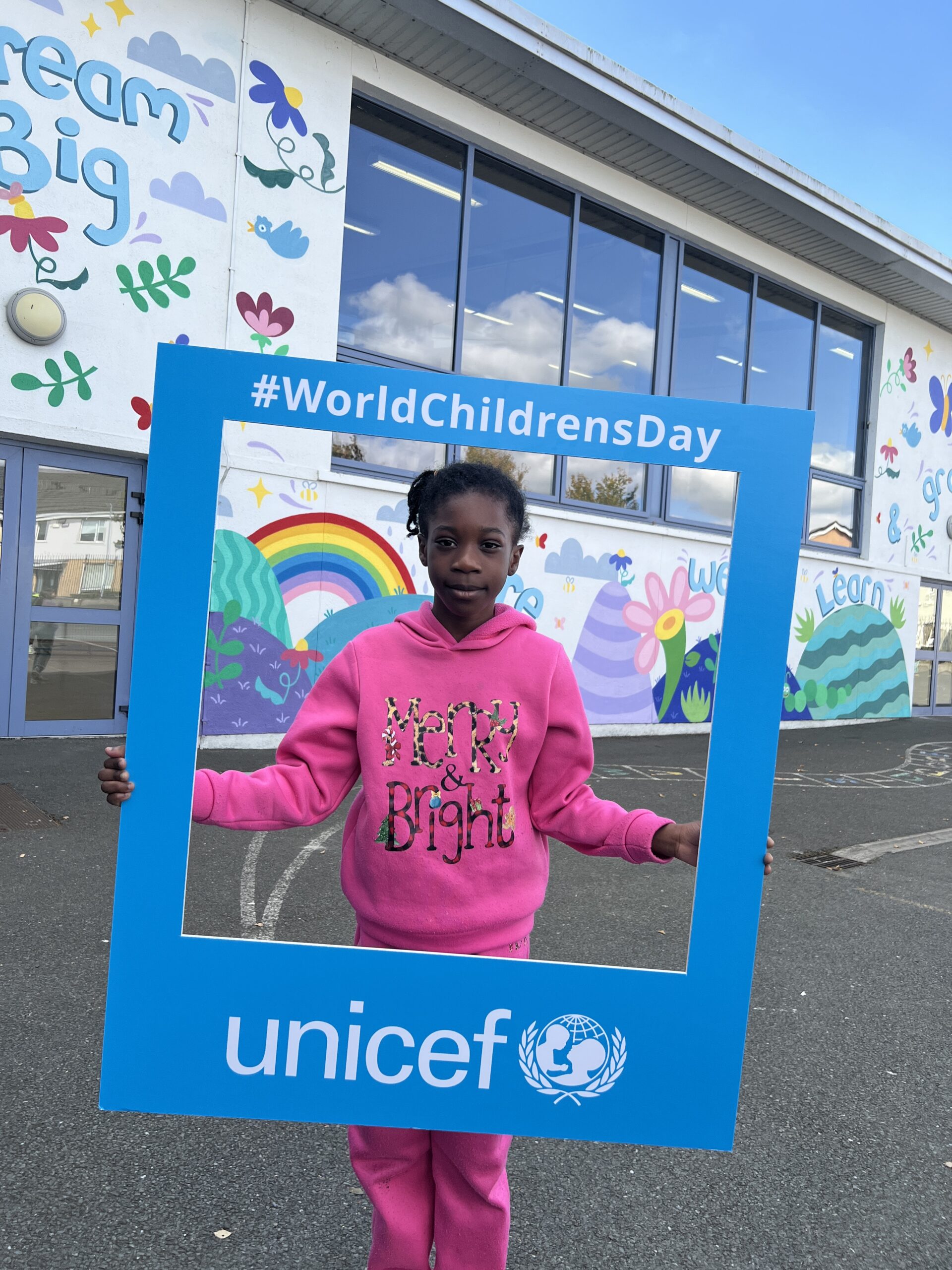
UNICEF’s work ensures that children’s voices are valued, visible and central to building a better future for all.
Read the complete story of how our amazing supporters enabled UNICEF to save thousands of children’s lives.
UNICEF’s work is grounded in the promise that every child has rights. These rights are set out in the Convention on the Rights of the Child, which affirms that every child has the right to survive, learn, be protected, have clean water and nutrition, live free from poverty, and have their voice heard. UNICEF’s role is to help make these rights real for every child, everywhere.
These commitments are brought to life through five interconnected Goal Areas (see below), aligned with the UN Sustainable Development Goals.
UNICEF Ireland plays a vital role in helping UNICEF deliver these results for children. Through fundraising, public engagement, advocacy, partnerships and youth mobilisation, UNICEF Ireland contributes to the global work of UNICEF and strengthens support for children’s rights.
This impact is powered by a broad and diverse community of supporters which include, donors, monthly givers, legacy pledgers, philanthropists, foundations, corporate partners, schools, community groups and young advocates.
The steady support of donors across Ireland ensures that lifesaving vaccines, safe water systems, education programmes and child protection services continue without interruption, even in the most challenging environments.
Read on to see how UNICEF’s work, powered by supporters in Ireland, helped meet the five goals, and uphold the rights of very child.

Contributing to Sustainable Development Goals (SDG) 2, 3, 4 and 5 by advancing nutrition, health, early childhood development and gender equality.

Supports SDG 4 and strengthens lifelong opportunities.

Relates to SDGs 5, 8 and 16 by helping end violence and build safe and just societies.
Advances SDGs 6, 11 and 13 by creating safer environments and improving climate resilience.

Contributing to SDGs 1, 5 and 10 by ensuring equal chances in life for every child.
Every child has the right to grow up safe and healthy. Yet in conflict and disaster, children are the first to suffer and the least protected.
UNICEF focuses on these children and their families, delivering life‑saving assistance that protects their rights and helps them recover.
In 2025, supporters across Ireland demonstrated extraordinary generosity, standing with children whose lives were upended by conflict, climate shocks and deepening poverty. Every euro raised enabled UNICEF to deliver life saving assistance where children needed it most, from nutrition and clean water to health care, education and protection.
In Gaza, UNICEF teams continued to reach children and families with life saving assistance including clean drinking water, essential medicines and medical supplies, food and nutrition support, and emergency cash assistance for families.
Across multiple emergencies, our supporters enabled UNICEF to respond to wider crises and core programmes across the world, ensuring resources reached the places where children were in greatest need, from sudden onset emergencies to long standing, underfunded crises.
While emergencies demand urgent action, children also need strong systems and sustained investment to protect their rights in every circumstance. UNICEF’s work in 2025 reflected this balance, responding at speed during crises while continuing to strengthen essential services and long term protections for every child.
Across the world through 2025, millions of children were living amid conflict, humanitarian disasters, and other crises.
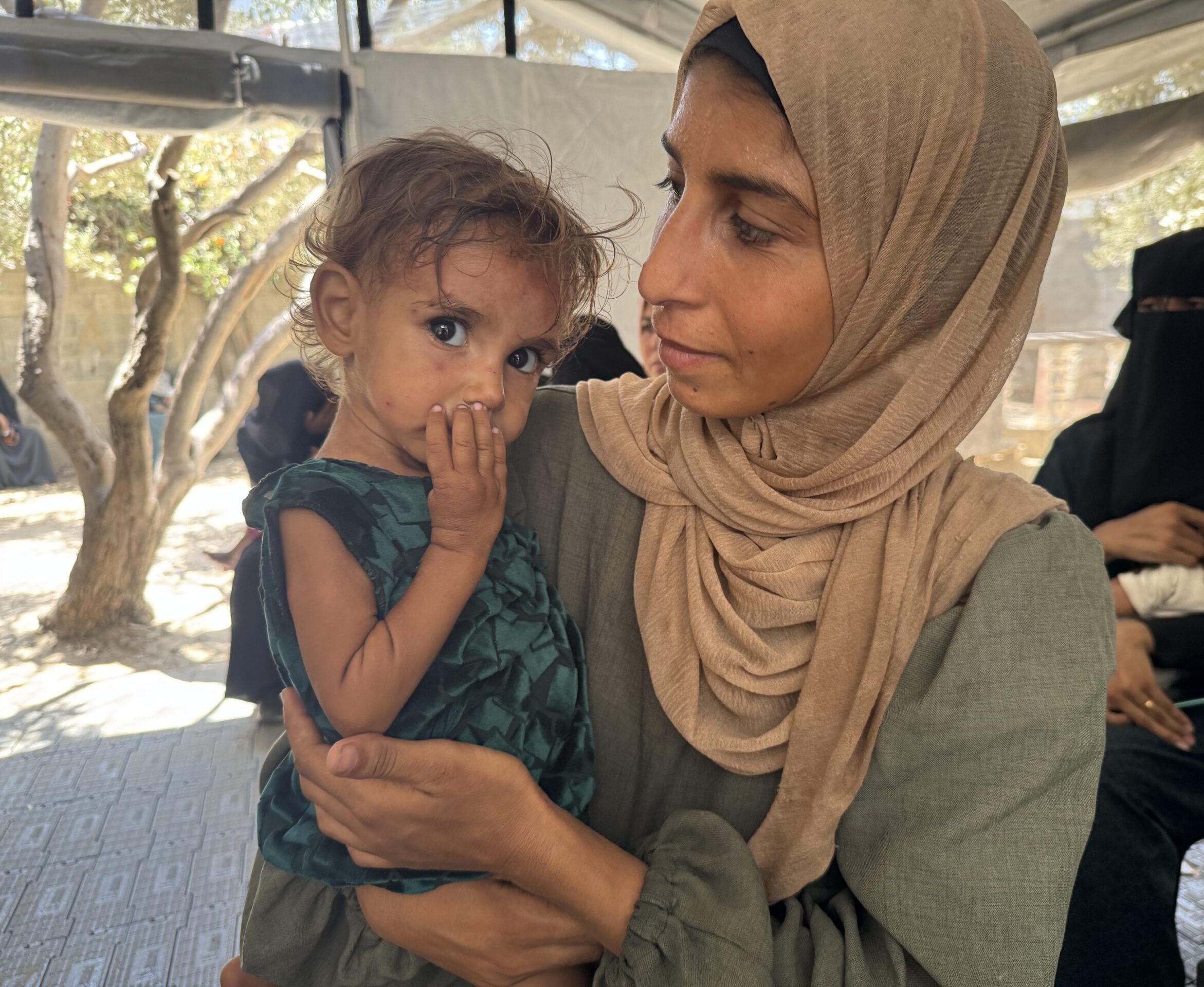
Take Areej, 23, was forced to flee her home in Gaza, carrying her two young children and an overwhelming sense of fear. Amid violence and displacement, her one-year-old daughter, Noor, became severely malnourished.
Her son, Mohammed, who was just two and a half years old, was also badly affected. “He lost all his hair because of malnutrition,” Areej explained.
Living in a makeshift tent, Areej grew weak and malnourished too. Each day was a struggle for survival. “Life is unbearable,” she said. “I live in constant fear of losing my daughter. I just pray this nightmare will end.”
On 20 August 2025, UNICEF reached Areej and her children were enrolled in treatment for acute malnutrition. For the first time in months, Areej felt a sense of hope.
Across Gaza in 2025, more than 320,000 children under five were at risk of acute malnutrition. In July alone, 13,000 children were identified as acutely malnourished, the highest monthly figure ever recorded and a 500 per cent increase since the start of the year.
Areej’s story reflected the extreme hardship faced by families across Gaza in 2025. It also demonstrated the impact humanitarian action could have when it reached children in time. For mothers like Areej, whose greatest fear was losing a child, UNICEF’s presence offered not just assistance, but a lifeline.
Read more
Our supporters are the key element to everything we do at UNICEF. Without our donors here in Ireland, our teams on the ground in places like Gaza could not reach as many children with life-saving support. Join our community today, and help save lives and uphold children's rights.
Education is more than a pathway out of poverty. It is the foundation for a safer, healthier, more hopeful future. UNICEF works to ensure that every child can learn, even during emergencies when schools are damaged, families are displaced, and children’s lives are disrupted.
Regular Resources and sustained support from donors in Ireland make it possible to deliver learning materials, establish temporary classrooms, train teachers, and help children return to education as quickly as possible.
When a crisis strikes, education cannot wait. Thanks to supporters who give monthly, UNICEF can act immediately to protect a child’s right to learn.
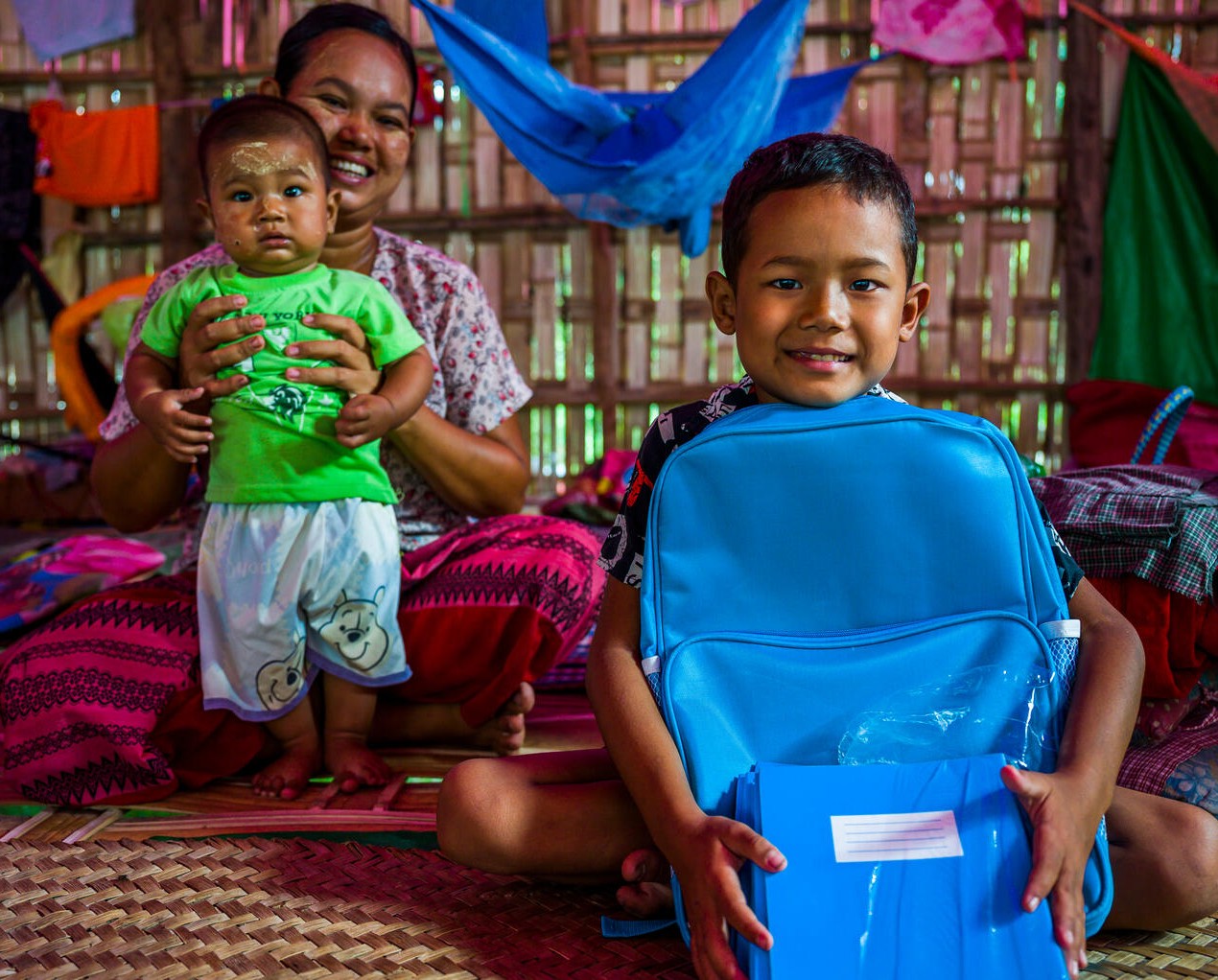
When donors in Ireland support UNICEF, the impact on child’s learning can be incredible.
Take Nine-year-old Mg Zaw, from Myanmar. He is living with his family in a temporary shelter on the outskirts of Mandalay after a recent earthquake forced thousands from their homes.
“I was playing with my friend and about to get on a bicycle when everything suddenly started shaking,” he recalls. “We both fell off. I was very scared. It was the first time I felt an earthquake.”
From UNICEF, Mg Zaw received books, pencils, a crayon set, a ruler, and his prized blue schoolbag.
“I love going to school by bicycle with my friends,” Mg Zaw says, eager to return to learning. UNICEF’s rapid support means he will not fall behind in his education, even as his community begins the long process of rebuilding.
Read more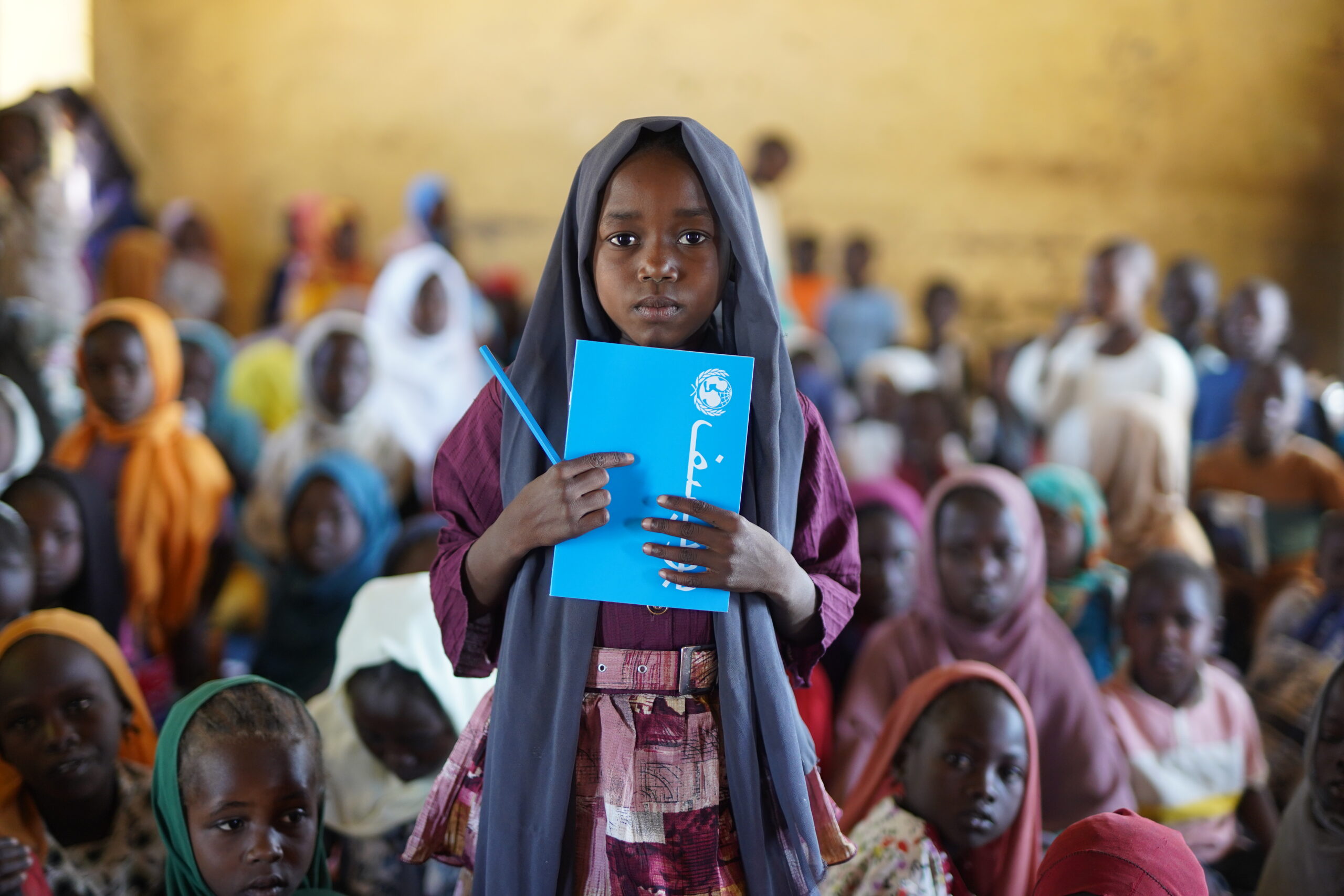
A lasting legacy of helping children
Vital support for UNICEF’s education programmes comes from a wide community of donors across Ireland — including those who choose to make a lasting commitment to children’s futures.
One of those people is Robin Kirk, a UNICEF Ireland monthly donor and legacy pledger. He shared why he chose to stand with children, both now and beyond his lifetime.
“I grew up in Johannesburg, South Africa,” he said. “After finishing boarding school, I planned to study law, but at the time of the Angolan Bush War there was mandatory military service for all young men, so I had to serve in the army.
“After my service, I began working with a law firm. One day I collapsed at home from a brain haemorrhage, which left me in a coma for a month. I was lucky and my family could afford treatment.
“I recovered, though it meant I had to change careers. I trained as a chef, which allowed me to travel and eventually brought me to Ireland, where I met my wife, Edie.”
Robin lived in Cork and later Kerry. “We had relatively privileged lives and were always aware that things could have been very different,” he said. “We began supporting UNICEF with a monthly donation.
“We did not have children, but I believe it is incumbent on all of us to nurture and care for children. That is what UNICEF does, in countries around the world, and why we chose to support them. We both included UNICEF in our wills.”
Robin lost his beloved Edie to cancer last year.
“We had thirty happy years together,” he said. “I know my immediate family is well provided for. It is children displaced by war, children without access to safe water, food or education, who need support most.
“UNICEF is working for those children, including in countries like Sudan and Afghanistan, which do not always make the news and that is why we both decided to include a gift in our Wills to UNICEF.”
Every child has the right to grow up healthy, nourished and protected from preventable disease. Yet for millions of children, especially those affected by conflict, climate emergencies or displacement, access to basic healthcare is uncertain.
UNICEF works to close this gap by delivering vaccines, nutrition treatment, maternal health services and essential medical supplies, even in the hardest to reach places. From preventing malnutrition to safeguarding newborns, UNICEF is on the frontline of child health, ensuring that the most vulnerable children receive the care they need at the moment they need it most.
In 2025, UNICEF advanced its strategic goal on health by prioritising access to essential and high quality primary healthcare for every child. This included strengthening maternal and newborn services, expanding nutrition programmes and working with governments and local health systems to widen access to routine immunisation.
With preventable disease outbreaks such as measles continuing to threaten vulnerable communities, UNICEF intensified efforts to close dangerous immunity gaps as part of its broader commitment to protect children from illness.
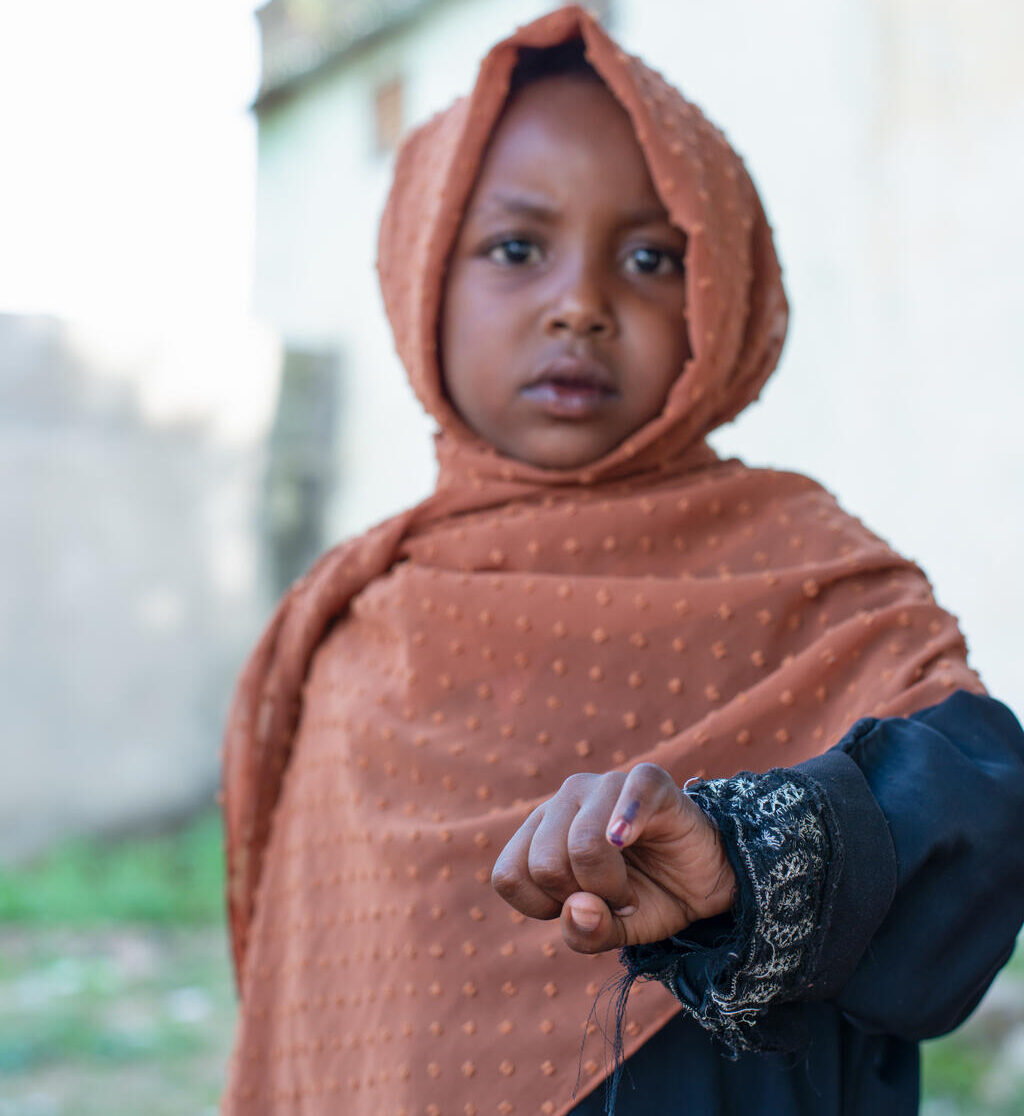
Five-year-old Intesar (pictured) holds up her finger, freshly marked with indelible ink. This is a small sign of protection in the middle of a major crisis in Sudan. She has just received life-saving polio drops during an outbreak response campaign.
As war in Sudan continues, basic health services, like routine immunisation have been disrupted or completely halted in many areas. Vaccine coverage has fallen sharply.
Despite insecurity and access challenges, UNICEF continues to support the Ministry of Health to sustain immunisation services against all odds. This includes strengthening the cold chain, procuring vaccines, and delivering them to some of the most hard-to-reach locations.
But vaccines alone are not enough. Trusted frontline workers make the difference.
For more than a decade, Hanan has been on the front lines of immunization. During the recent five-day polio outbreak response campaign, she went door to door, ensuring that children like Intesar received protection.
“Without people we trust coming to our homes, many parents would hesitate,” she explains.
UNICEF remains committed to supporting Sudan’s immunisation programme, protecting children’s right to survive and thrive, even in emergencies.
Read moreIn 2025, UNICEF Ireland’s corporate partnerships were central to advancing the rights and wellbeing of children globally. Spanning child health and protection in climate‑vulnerable communities, these collaborations focused on delivering sustainable, long‑term impact for children.
Organisations of all sizes are increasingly important partners in realising children’s rights, and UNICEF Ireland is proud to work alongside a wide range of businesses. Corporate partners choose UNICEF for our global reach, trusted influence and technical expertise. By combining resources, innovation and shared commitment, these partnerships help deliver measurable and lasting change for children.
UNICEF Ireland continues to work with a diverse network of corporate partners whose support advances children’s rights worldwide. This portfolio is anchored by long‑standing strategic partnerships with organisations such as CRH, Aer Lingus and Primark.
Alongside these strategic collaborations, a broader community of businesses contributes through targeted campaigns and the Champion for Children programme, demonstrating the depth of corporate engagement across the sector. We are grateful to all our corporate partners for their continued commitment to delivering results for children.
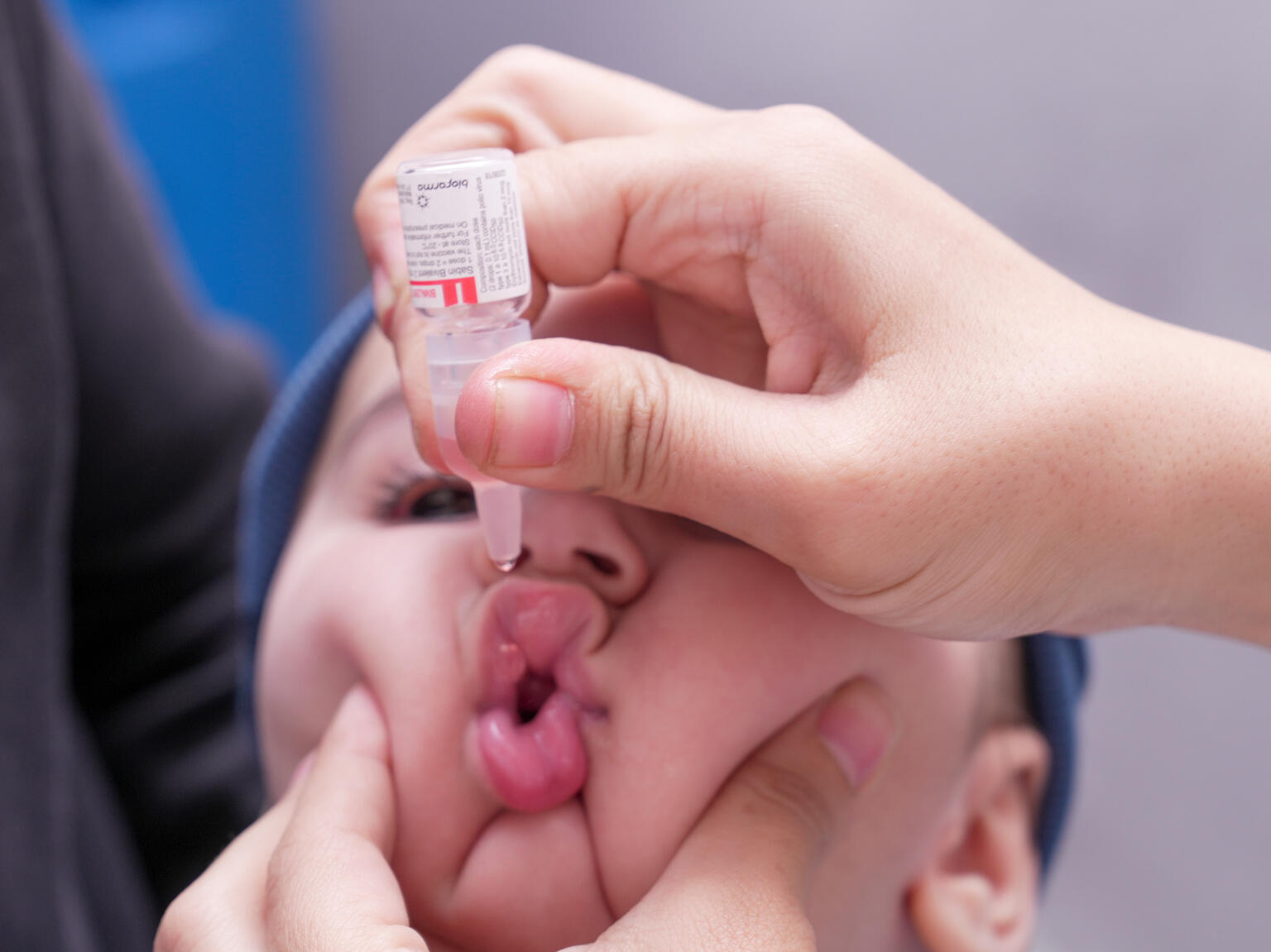
In 2025, CRH continued its five-year, US$15 million strategic partnership with UNICEF. With CRH’s support, UNICEF delivered over 22 million vaccine doses since the partnership began, reaching more than 6 million children and pregnant women in vulnerable communities.
This included progress in 2025 across countries such as Cuba, Syria and Sudan, where funding helped deliver vaccines, train healthcare workers and reinforce cold chain systems, ensuring that life-saving protection reaches those most at risk.
By the end of 2025, CRH’s investment had helped expand access to immunisation and support the recovery of health systems. In 2025 alone, an additional 3.4 million children and pregnant women were reached through these efforts.
Since the beginning of 2026, the partnership has evolved to support UNICEF’s Water, Sanitation and Hygiene (WASH) programmes in fragile settings. This next phase will support access to safe water, sanitation and hygiene services, contributing to more resilient communities and improved outcomes for children.
They results of our partnership have been incredible:
With partners like CRH, UNICEF can strengthen systems in complex environments and ensure that even the hardest‑to‑reach communities have access to the services they need to survive and develop.
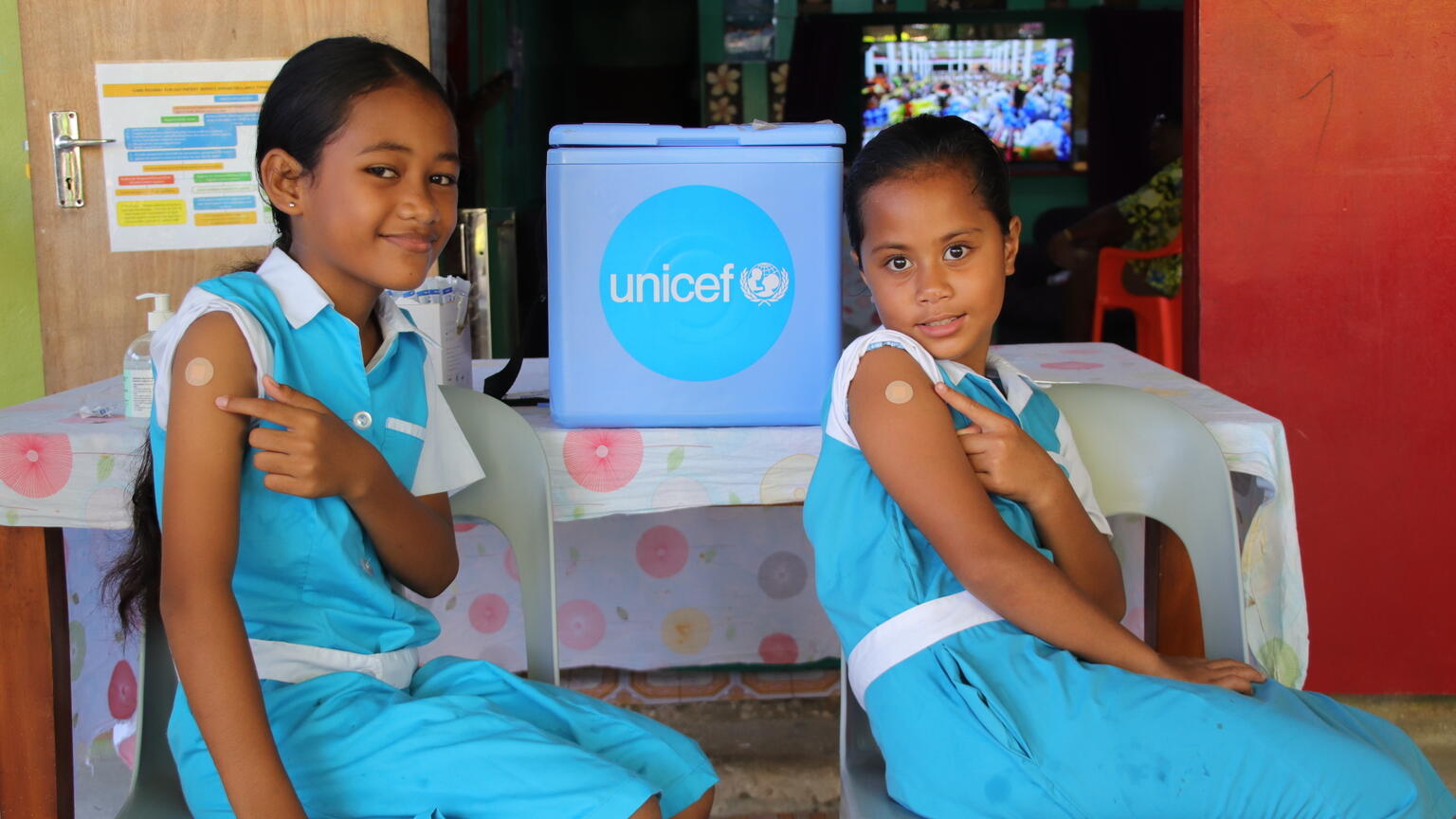
Since 2018, Primark and UNICEF have built a partnership founded on trust and a shared belief in every child’s right to learn.
What began as a dedicated programme to support education for some of the most vulnerable children has evolved into a flexible funding model, with Primark contributing more than 14 million to help UNICEF reach children wherever the need is greatest.
By entrusting UNICEF to direct resources to the most urgent priorities, this partnership enables faster, more effective responses and supports lasting improvements in children’s lives. It is a clear example of how long‑term and trust‑based collaboration with business can drive meaningful results for children.
Euros raised through one off donations, monthly giving, emergency appeals and legacy gifts.
supporters sending lifesaving aid and support to children.
Euros in legacy gifts provided long term, stable resources — a lasting commitment to protecting children’s rights well into the future.
Protecting children from violence, injury, exploitation, and trauma is one of UNICEF’s most urgent responsibilities. For children who have been displaced by conflict, the threats to their safety multiply: they face not only physical danger, but also acute malnutrition, psychological distress, family separation and the loss of safe, protective environments.
UNICEF works to ensure that every child is protected, delivering critical services such as emergency medical treatment, specialised care for wounded children, nutrition screening and treatment for malnourished children, psychosocial support, and safe spaces where children can begin to heal.
Seven-year-old Sawsan was playing with her friends outside her home when shelling struck her neighbourhood during the 2024 escalation of conflict in Lebanon. A piece of shrapnel hit her head, and she collapsed unconscious. Although she survived, the injury left her with severe brain damage: she could no longer speak, swallow, see, hear, or walk.
Sawsan’s parents feared they had lost the joyful, energetic child they once knew. But through the UNICEF-supported Assistance & Care for War-Wounded and Affected Children (ACWA) Programme in Beirut, Sawsan began a long, determined journey toward healing.
Supported by specialized medical treatment, continuous rehabilitation, and dedicated follow‑up care, Sawsan slowly started to regain her abilities. Today, she can hear again, see through one eye, and walk on her own.
Sawsan’s story is just one example of the resilience of children in Lebanon and the lifesaving impact of sustained, coordinated support. Through ACWA, thousands of children are receiving the chance to heal, hope, and rebuild their futures.
Read moreIn 2025, UNICEF Ireland’s philanthropic partners helped unlock significant progress for children:
Throughout 2025, philanthropic partners contributed more than one and a half million euro to UNICEF’s emergency response in Gaza. This support helped provide:
This sustained commitment allowed UNICEF to maintain vital services during one of the most severe humanitarian crises in recent years.
In 2025, UNICEF Ireland entered a landmark three-year partnership with the Michael Guinee Charitable Foundation in support of the Child Nutrition Fund. This global financing mechanism accelerates progress on child undernutrition by scaling proven nutrition interventions.
A significant match commitment is doubling the impact of all contributions to the Fund until the end of 2027. UNICEF Ireland is deeply grateful for this catalytic investment and its long-term impact for children.
Derek Barrett, CEO The Michael Guinee Charitable Foundation, said: “The Michael Guinee Charitable Foundation is proud to partner with UNICEF through their Child Nutrition Fund. It plays a vital role in preventing child malnutrition and gives vulnerable children the chance to survive and thrive. ”
UNICEF Ireland was also honoured to receive a five-hundred-thousand-euro Core Resources grant from the Tom Cunningham Trust, via The Ireland Funds. This flexible investment strengthens UNICEF’s ability to act before, during and after emergencies, support national systems and reach children in the most complex environments. It represents a powerful endorsement of UNICEF’s mission and the compassionate legacy of Tom Cunningham.
UNICEF Ireland extends heartfelt thanks to:
Together, philanthropy ensures that every child can be safe, cared for and protected.
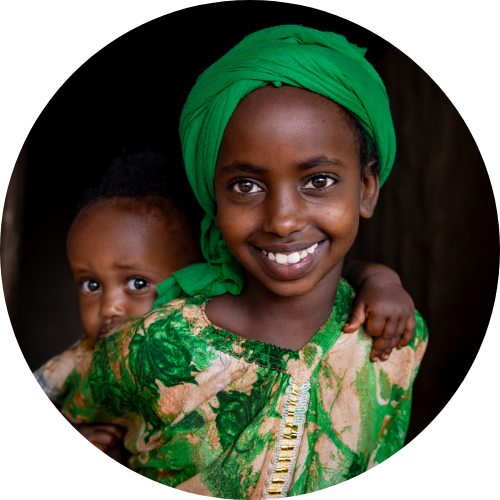
humanitarian emergencies responded to in 101 countries, while governments were supported to strengthen national systems that deliver essential services to children.
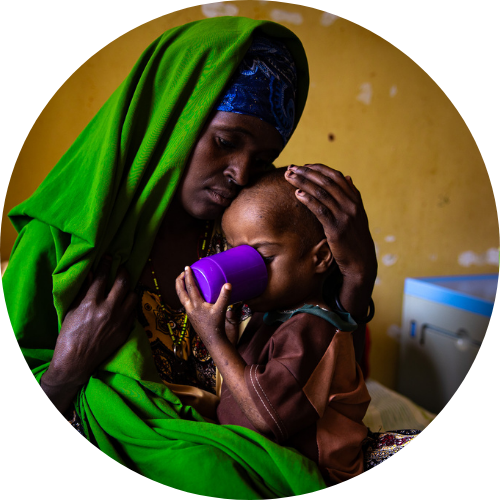
people gained access to at least basic sanitation services, over 34 million to safe water, and over 15 million to basic hygiene.
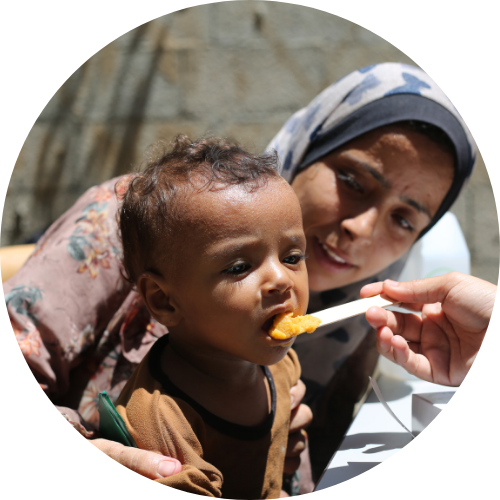
million children in 54 countries reached with services to prevent, detect and treat wasting and 423 million children under 5 reached in 81 countries with interventions to prevent stunting.
Water, Sanitation and Hygiene (WASH) are essential to every child’s right to grow up safe and protected from the risks posed by unsafe water, poor sanitation and a changing climate. Yet for millions of children – particularly those living in fragile or climate‑vulnerable settings – these basic conditions are increasingly under threat. Floods, droughts, water contamination and damaged infrastructure disrupt education, increase disease and place already‑vulnerable families under further strain.
UNICEF works to ensure that every child can rely on clean water, safe sanitation and healthy environments, no matter where they live. This includes strengthening climate resilient WASH services in schools and communities, supporting local systems to withstand future shocks, and equipping children and families to adapt to the realities of a rapidly changing world. From installing safe water systems to improving hygiene practices and supporting climate education, UNICEF is on the front line of keeping children safe today while safeguarding their futures.
In 2025 UNICEF strengthened WASH services in climate vulnerable schools across the Ecuadorian Amazon. Children in this region face some of the most severe impacts of climate change in Latin America, including flooding, prolonged droughts and high levels of water contamination. Many schools lack basic infrastructure.
With the support of partners like Aer Lingus, UNICEF expanded its Resilient Schools Programme, which helps communities adapt to climate related challenges while ensuring children have access to safe learning environments. UNICEF worked with students, teachers and Indigenous communities to design school-based solutions that respond to local needs.
Through this support, schools installed rainwater harvesting and purification systems, upgraded safe sanitation facilities, and strengthened hygiene practices, including menstrual hygiene management.
Local ancestral knowledge — long used to protect forests and rivers — is incorporated into the curriculum to strengthen children’s understanding of sustainability.
During a school visit, 10-year-old Dayana proudly pointed to the new solar panels above her classroom. “Now the sun helps us study,” she told UNICEF staff. Her classmate Elián explained how purified rainwater now keeps them safe from illness: “This water helps us stay healthy so we don’t miss school.”
48,000 people have benefited from resilient WASH facilities across the Amazon. In 2025, UNICEF will expand the programme to 15 additional schools, reaching a further 37,000 people.
This is giving children in the Amazon something vital: a safe, climate resilient school where they can learn, grow and build a future – even as the world around them changes.
Read more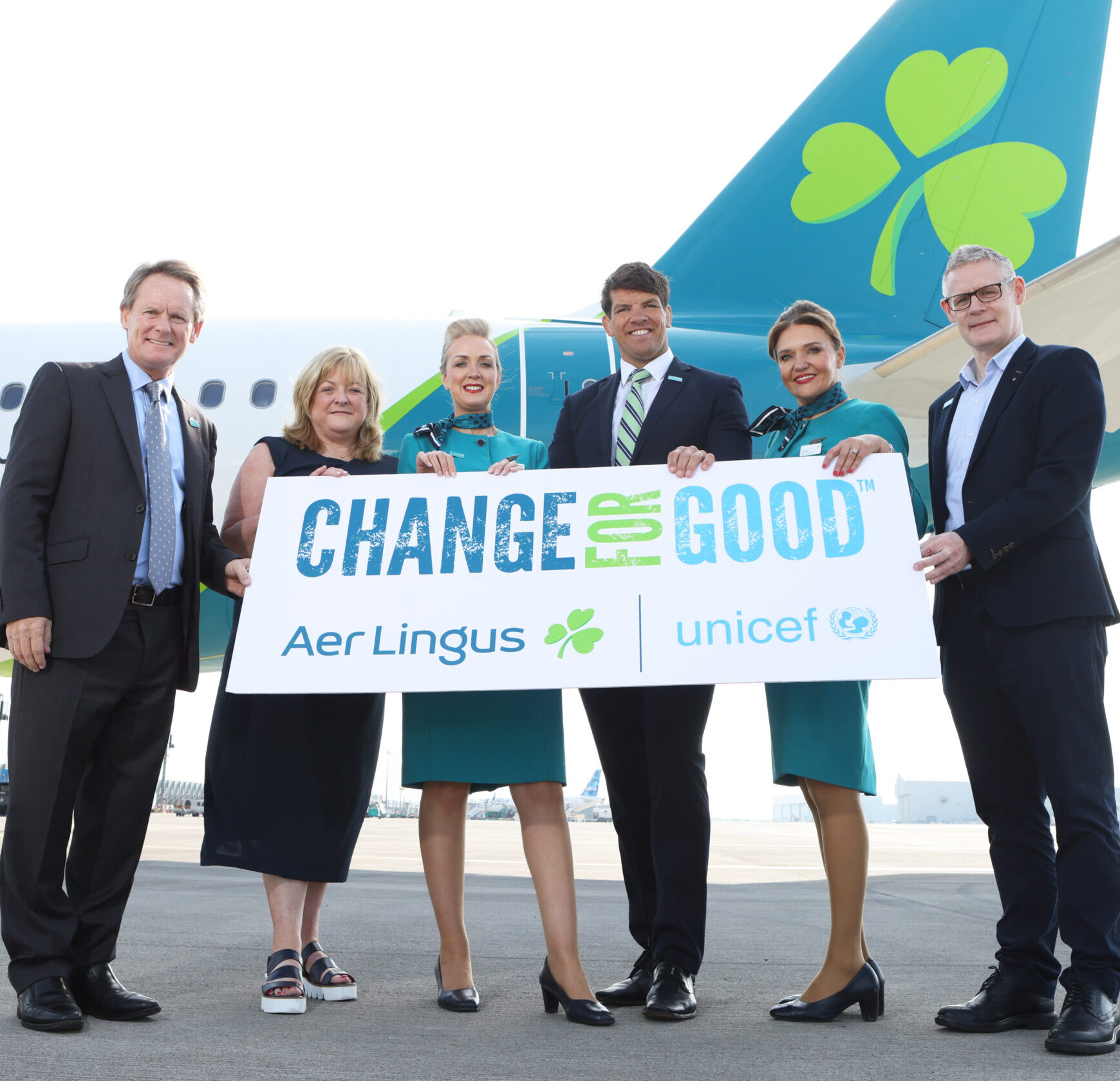
Since 1997, the Aer Lingus–UNICEF partnership has grown into a long-standing and impactful example of sustainable collaboration, evolving in step with both global needs and passenger behaviour. What began as a simple onboard “Change for Good” coin collection programme has developed into a strategic partnership that combines fundraising, employee engagement, and targeted humanitarian support.
Over nearly three decades, the initiative has raised more than $23 million, contributing to vital programmes in child health, education, nutrition, and emergency response worldwide.
In recent years, the partnership has adapted to a more digital environment through the introduction of contactless and onboard digital donation options, ensuring continued accessibility and relevance. This ongoing evolution, underpinned by the commitment of Aer Lingus staff and the generosity of passengers, reflects a shared dedication to creating lasting, positive change for children globally.
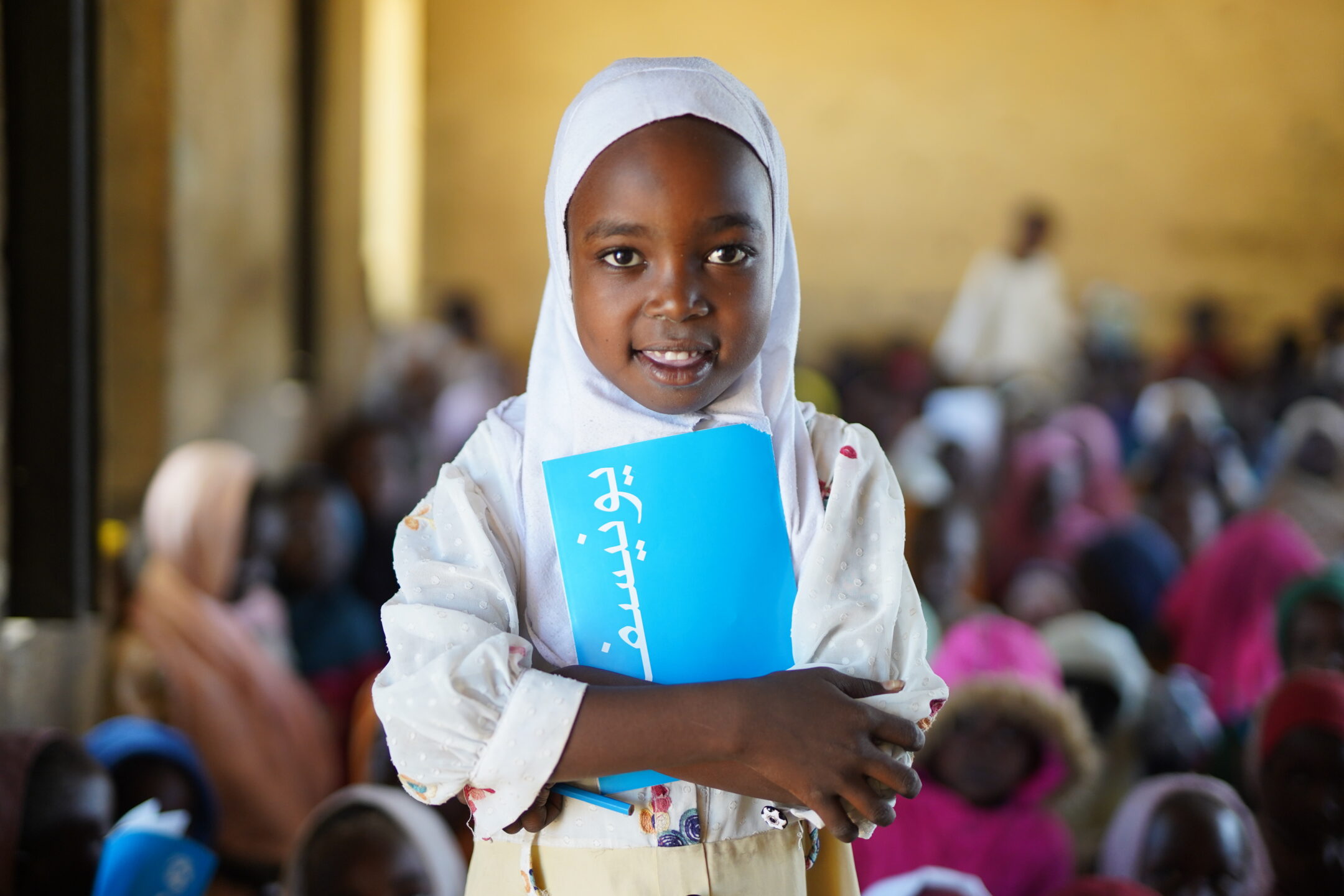 Seven-year-old Aya stands in a classroom in Sudan where children who fled the war in Al Fasher received scholastic materials like books, pens, colours and pencils.
 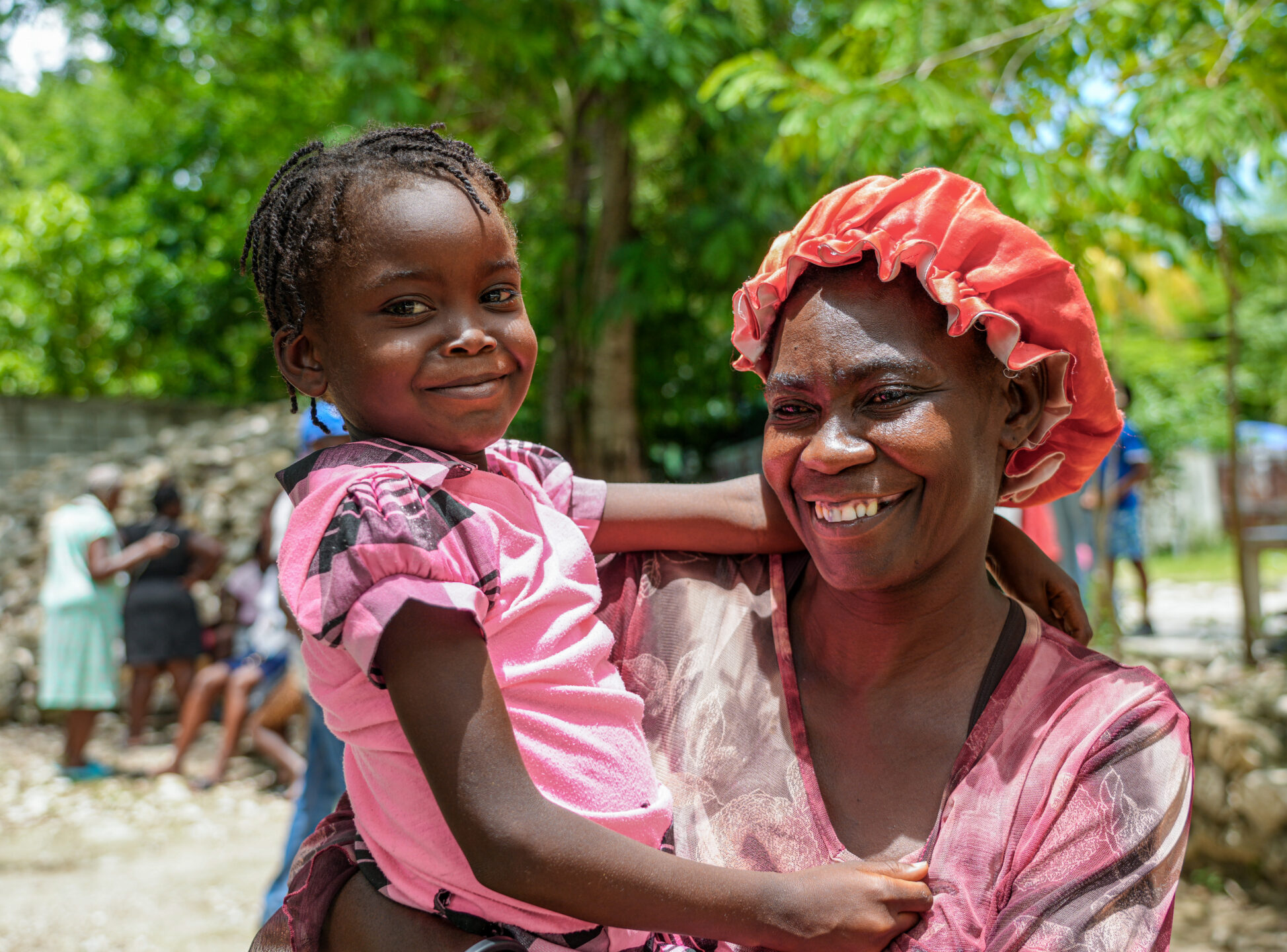 Christiana and her children live in conflict-hit Haiti and have received help from UNICEF supporters.
 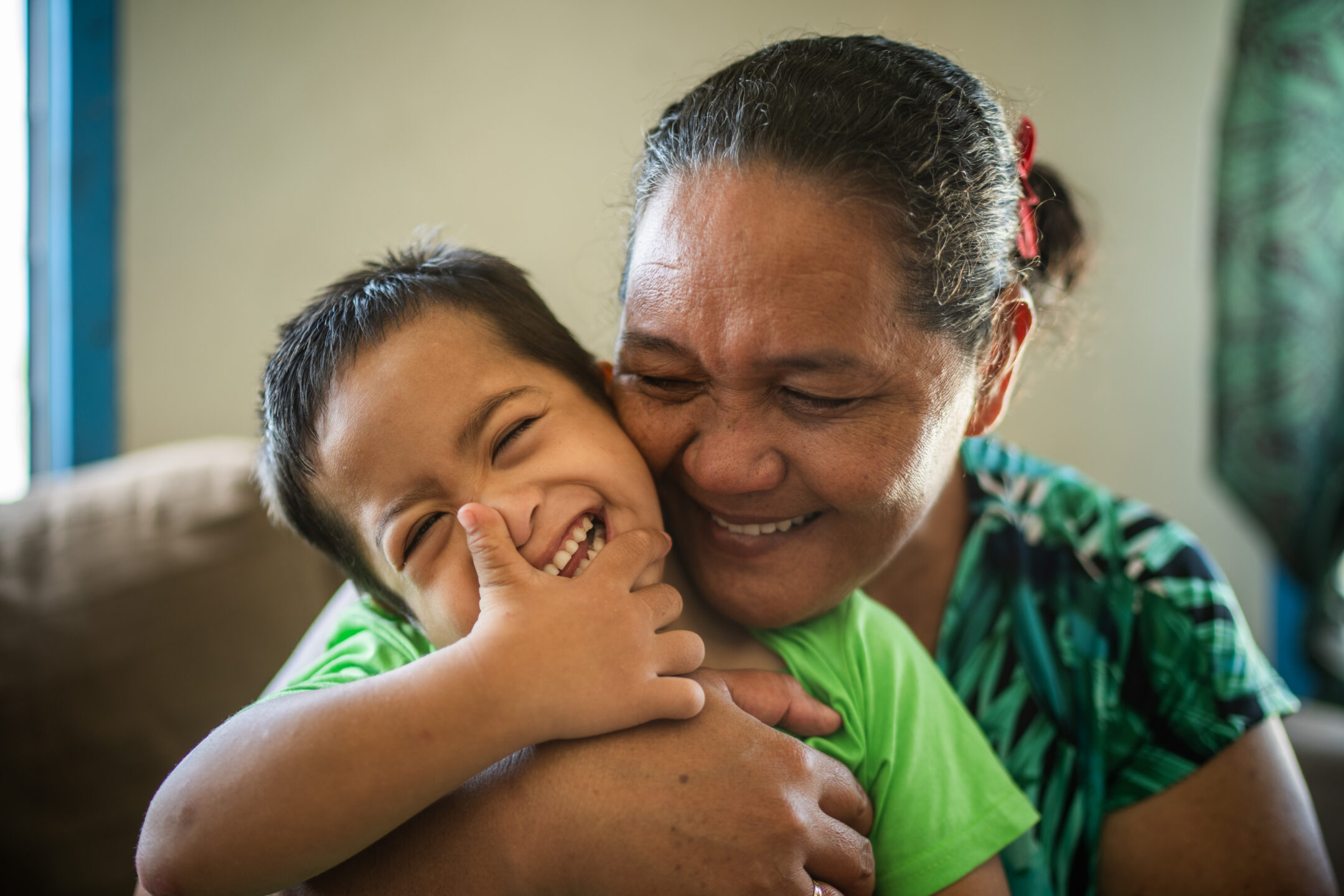 In Tuvalu, Vanessa and her son Enoch, who has a disability, receive help from a UNICEF programme.
 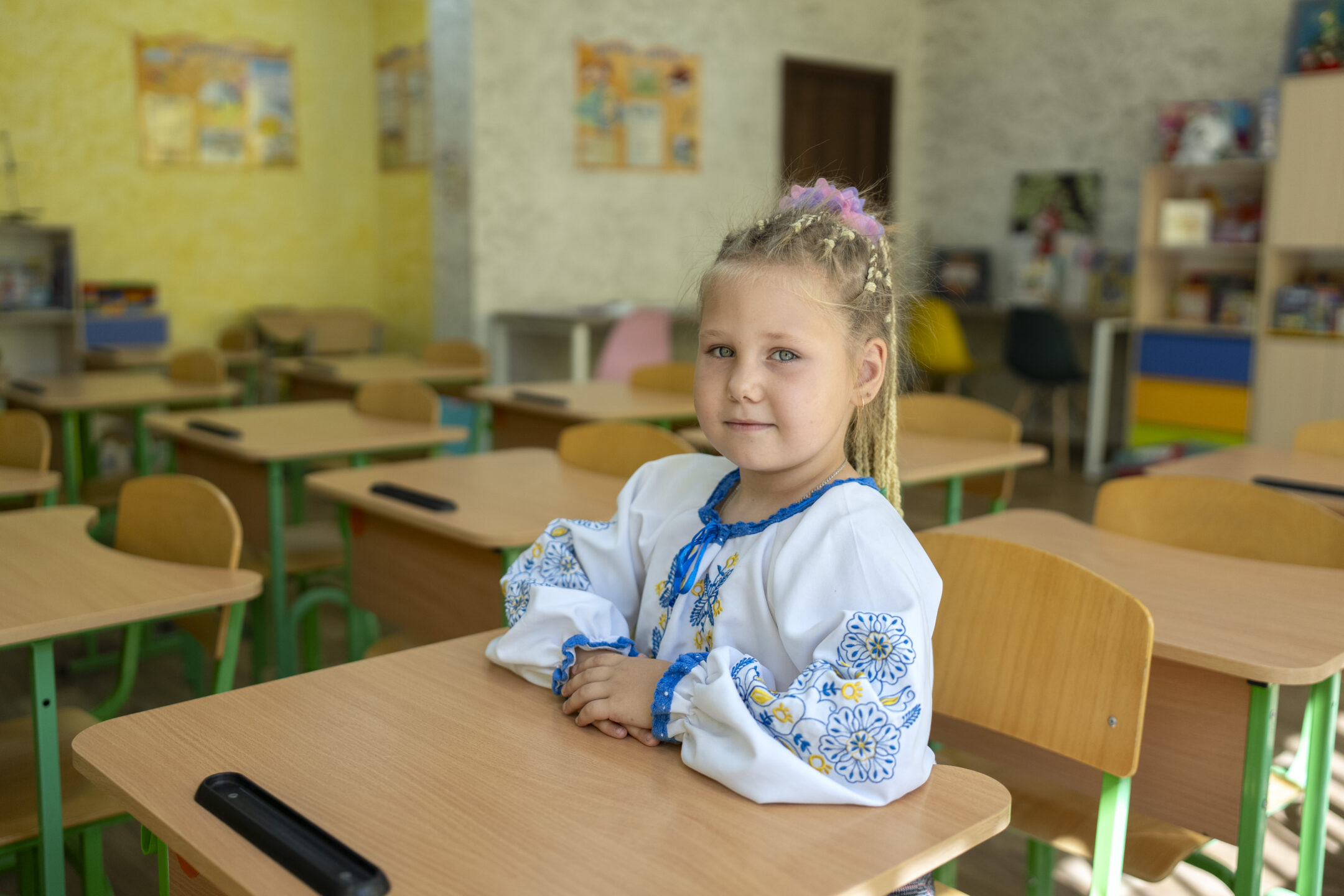 Alessa, age seven, sits at a desk in her classroom at Zlatopil Lyceum No. 6 in the Kharkiv region of Ukraine.
 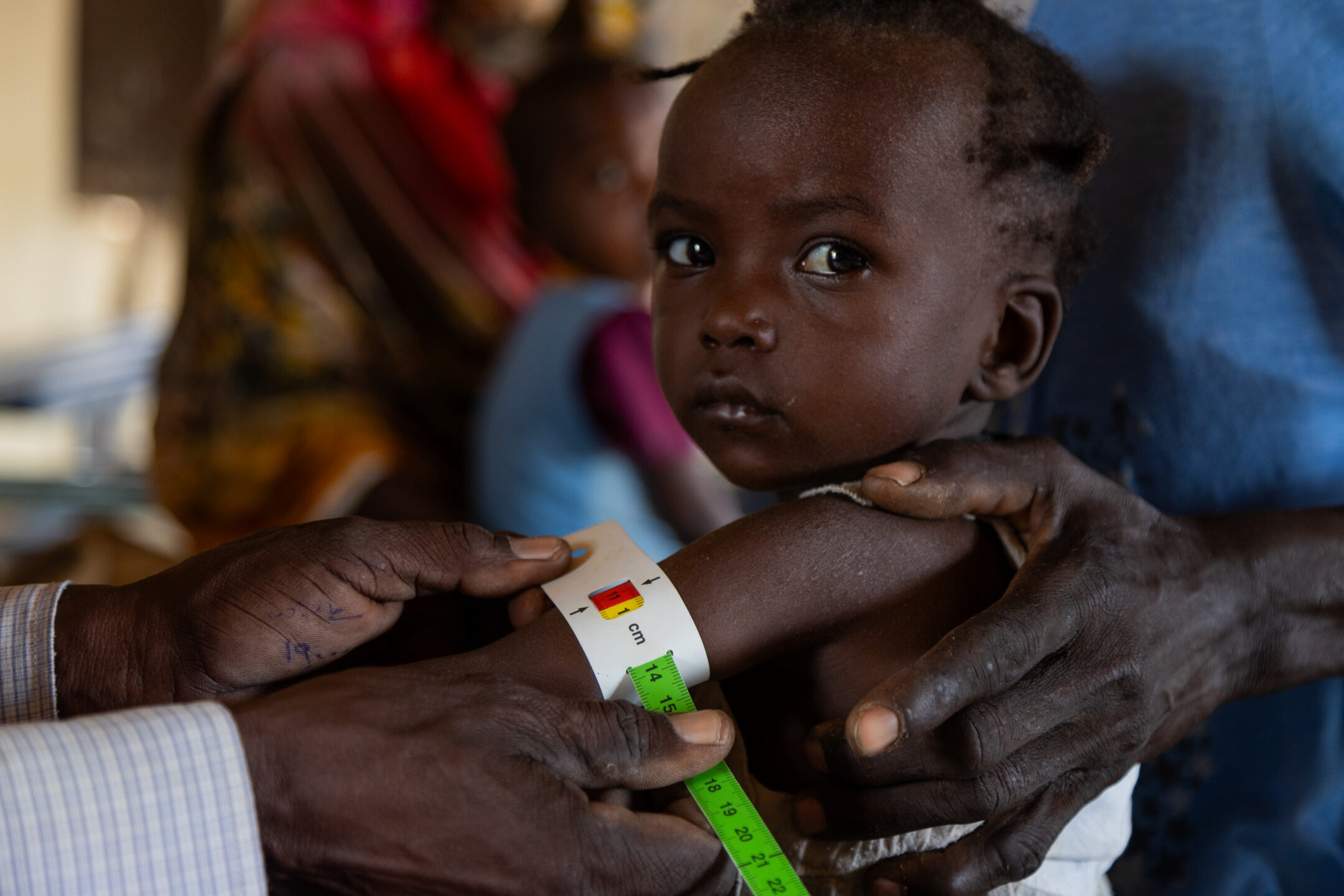 One of thousands of malnourished children in Sudan who have received help from supporters like you.
 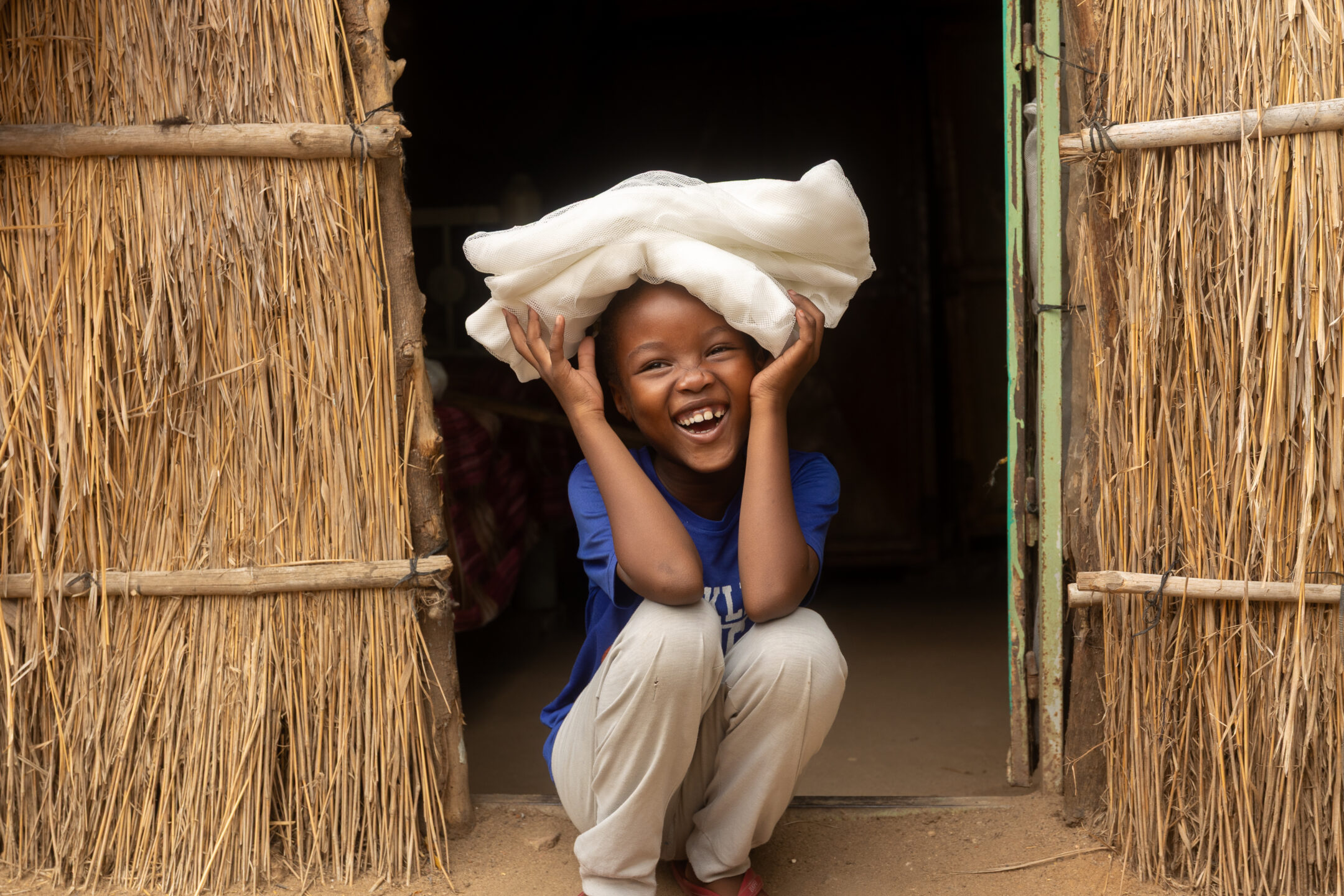 A child smiles after receiving a new bed net at her home in Arabee neighbourhood in Sudan.
 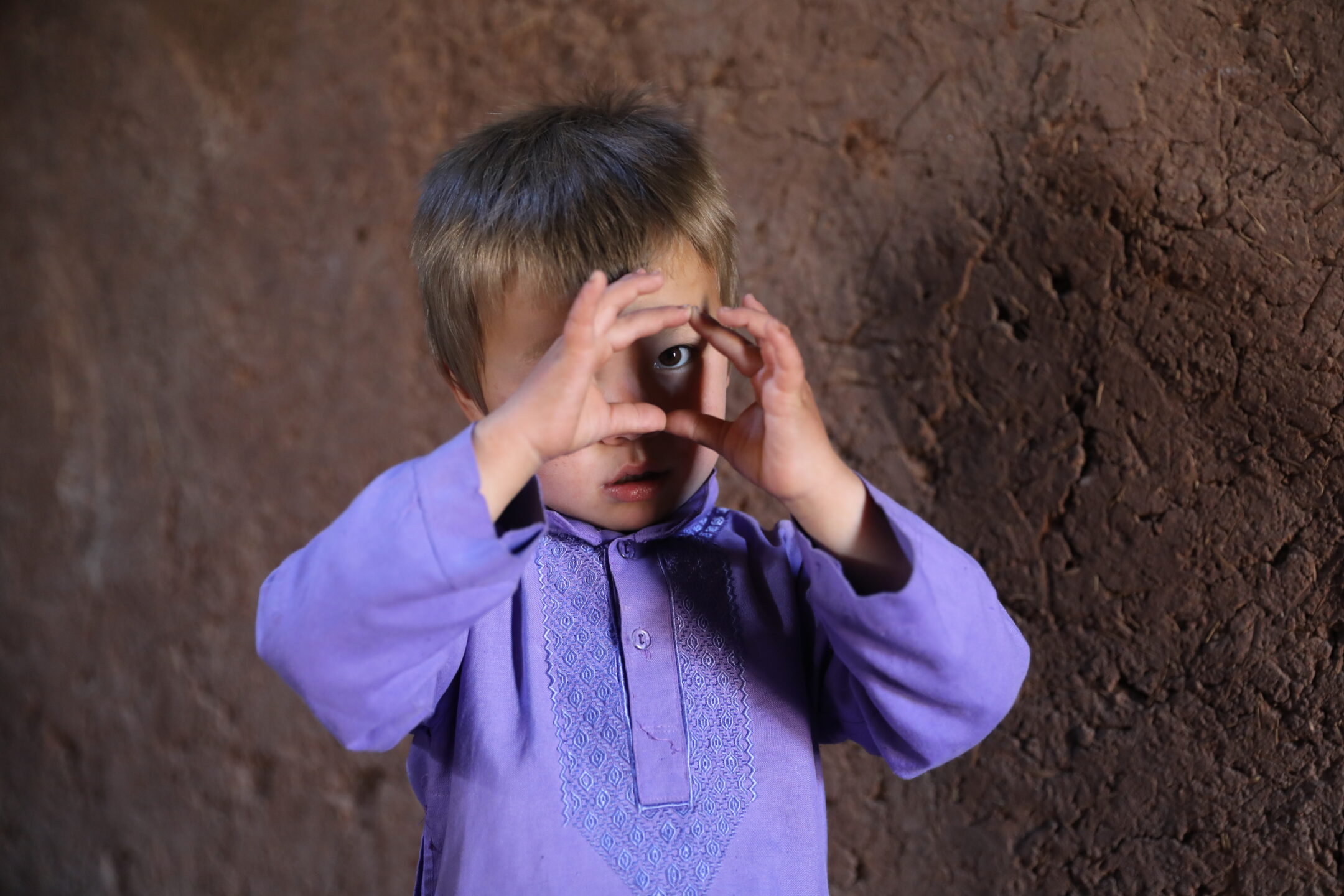 Bin Yamin (3) makes a heart with his hands as he plays, while his mother Nikbakht prepares a meal using vegetables grown locally around her home in Afghanistan.
 Every child has the right to grow up in a society where they are valued, protected and included. Yet too many children continue to face barriers that limit their opportunities and exclude them from essential services, whether because of poverty, disability, gender, ethnicity, migration status or the impact of conflict and climate change.
UNICEF works to break down these barriers by promoting equality in public policy, strengthening national systems and ensuring that the most marginalised children are never left behind.
Through its advocacy, research and partnerships, UNICEF supports governments and communities to address the root causes of inequality and to design services that reach every child, especially those who are hardest to access.
This includes driving improvements in social protection, education access, health equity and child protection systems so that all children have an equal chance to survive, learn and thrive. By placing fairness at the centre of national decision making, UNICEF helps make inclusion a reality for children who need it most.
In 2025, UNICEF Ireland used the findings of Report Card 19: Child Wellbeing at Risk in an Unpredictable World to shine a light on the disconnect between Irish adolescents’ strong academic performance and their comparatively low mental wellbeing.
While Ireland ranked first among high‑income countries for academic outcomes, it placed only 24th for adolescent mental health, with nearly one in three 15‑year‑olds reporting low life satisfaction.
UNICEF Ireland advocated for a more holistic approach to children’s wellbeing, calling for strengthened school-based mental health supports, improved school nutrition standards, and education that builds digital resilience, particularly for children facing disadvantage. The launch of Report Card 19 helped position adolescent mental health firmly on the public and political agenda.
More on Children in Ireland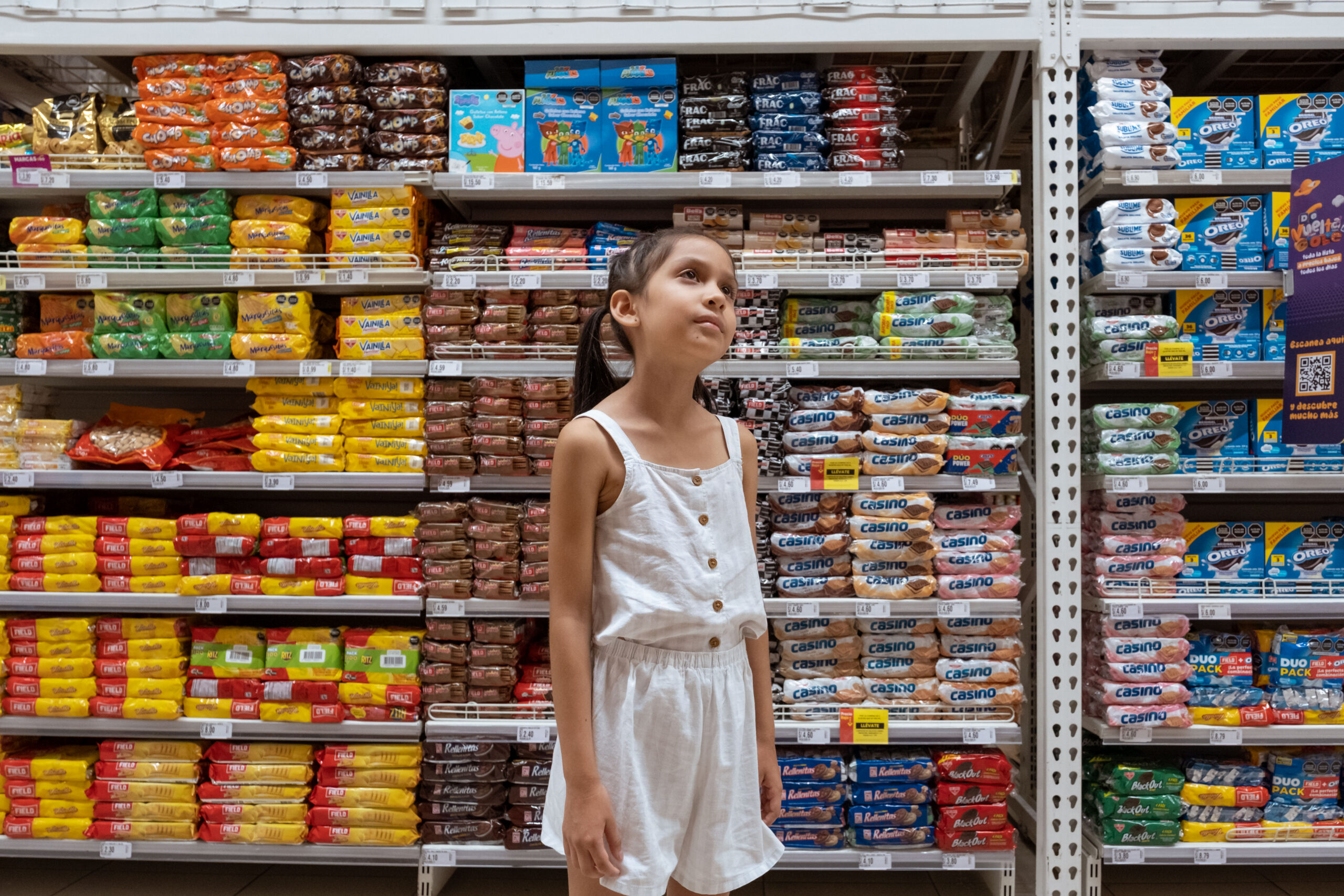
UNICEF Ireland’s public health advocacy maintained a strong focus on infant and young child nutrition, including breastfeeding. Through ongoing engagement with the Department of Health, UNICEF Ireland contributed a child rights perspective to early work on a new Breastfeeding Strategy and Action Plan, emphasising equity, evidence-based practice and long-term outcomes.
We continued to work with civil society partners, including the Baby Feeding Law Group Ireland, to push for stronger safeguards against inappropriate marketing of breastmilk substitutes. Dialogue with policymakers and Coimisiún na Meán highlighted the need for robust regulation of digital marketing so that parents can make informed feeding decisions free from commercial influence.
At the global level, UNICEF’s Feeding Profit report underscored that obesity has now overtaken undernutrition as the most common form of malnutrition among school-aged children. With one in five Irish primary school children overweight or obese, rising to one in four in DEIS schools, we used these findings to reinforce the need for coherent policy action that protects every child’s right to nutritious food.
Ensuring that every child is included is fundamental to a fair and equal society. But inclusion is not only about access to services and protection from disadvantage, it is also about recognising children as rights holders whose experiences and perspectives matter.
As UNICEF works to remove the barriers that prevent children from being reached, it also champions their right to speak out and take part in shaping the decisions that affect their lives. This commitment to both equity and voice is at the heart of our work in Ireland.
UNICEF Ireland is committed to the highest standards of governance, transparency and accountability. Our governance framework combines Irish regulatory requirements with UNICEF’s global principles of good governance and humanitarian standards. This ensures that our work for children is ethical, well managed and subject to strong oversight.
Every child has the right to be heard, to express their views and to take part in decisions that shape their lives. UNICEF works to make this right a reality by supporting schools, communities and institutions to listen to children and create environments where their rights are respected. Through the Child Rights Schools programme, children learn about their rights and how to claim them. Through youth participation programmes, they gain the confidence, skills and opportunities to speak out on the issues that matter most to them.
In partnership with teachers, schools and national decision makers, UNICEF helps ensure that children are not only informed about their rights but actively engaged in shaping a more just and inclusive society. From promoting rights respecting schools to elevating young people’s perspectives in policy discussions, UNICEF’s work ensures that children’s voices are valued, visible and central to building a better future for all.
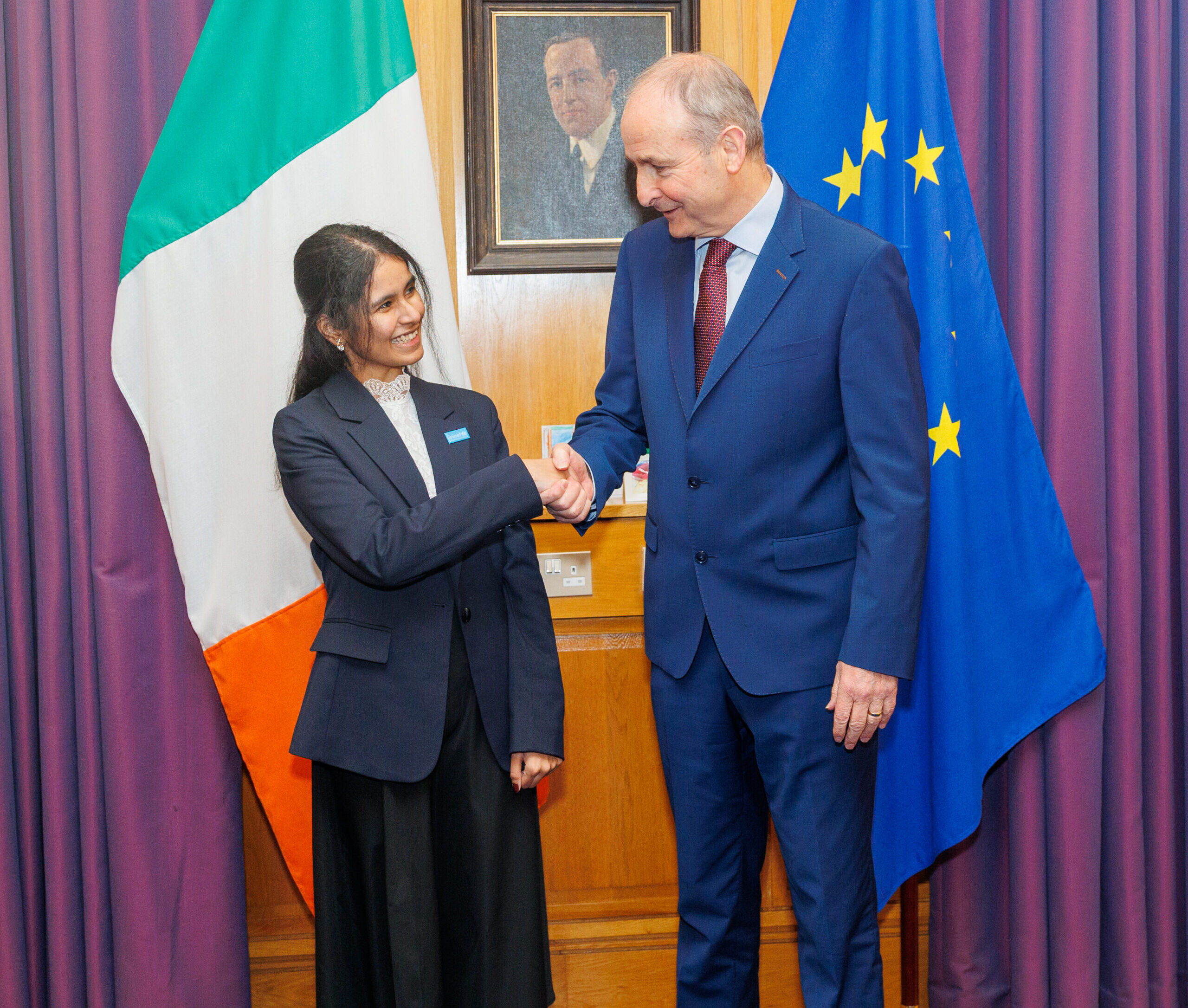
In 2025, UNICEF Ireland advanced its digital rights agenda through youth‑led advocacy, a core pillar of our participation work.
For World Children’s Day, UNICEF Youth Advocate Swasti Sahoo met with the Taoiseach to highlight children’s perspectives on artificial intelligence, online safety and digital rights. She emphasised the need for child-centred AI governance, stronger protections against algorithmic harms, and support for digital literacy.
Swasti’s intervention ensured that children’s voices were represented at the highest political level, reinforcing UNICEF Ireland’s commitment to enabling young people to shape the policies that affect their lives. This work is supported by UNICEF Ireland’s Activism Training Programme, which gives young people this skills, tools and opportunities to influence decisions.
More on youth in Ireland
Through the Child Rights Schools (CRS) programme, UNICEF Ireland support school communities to embed the UN Convention on the Rights of the Child at whole‑school level, creating environments built on respect, inclusion and children’s voices. In 2025, we expanded its national reach, celebrated new schools achieving Gold Child Rights School status, and launched innovative initiatives that strengthened children’s ability to participate in democratic life.
Child Rights Schools Programme: Eight Schools were awarded Gold in 2025. These schools act as powerful models for rights‑based education nationwide.
Democracy in Action: Voter Education Week: Schools held mock elections, student council votes and classroom debates, learning about democracy in action. Teachers reported increased engagement, confidence and leadership among participating pupils.
By creating rights respecting schools and opening meaningful pathways for youth participation, UNICEF Ireland ensures that children are not only included in society but empowered within it.
Read more about UNICEF's work for children and see the incredible results powered by our supporters over the years.