
A game-changing treatment for famine in Gaza
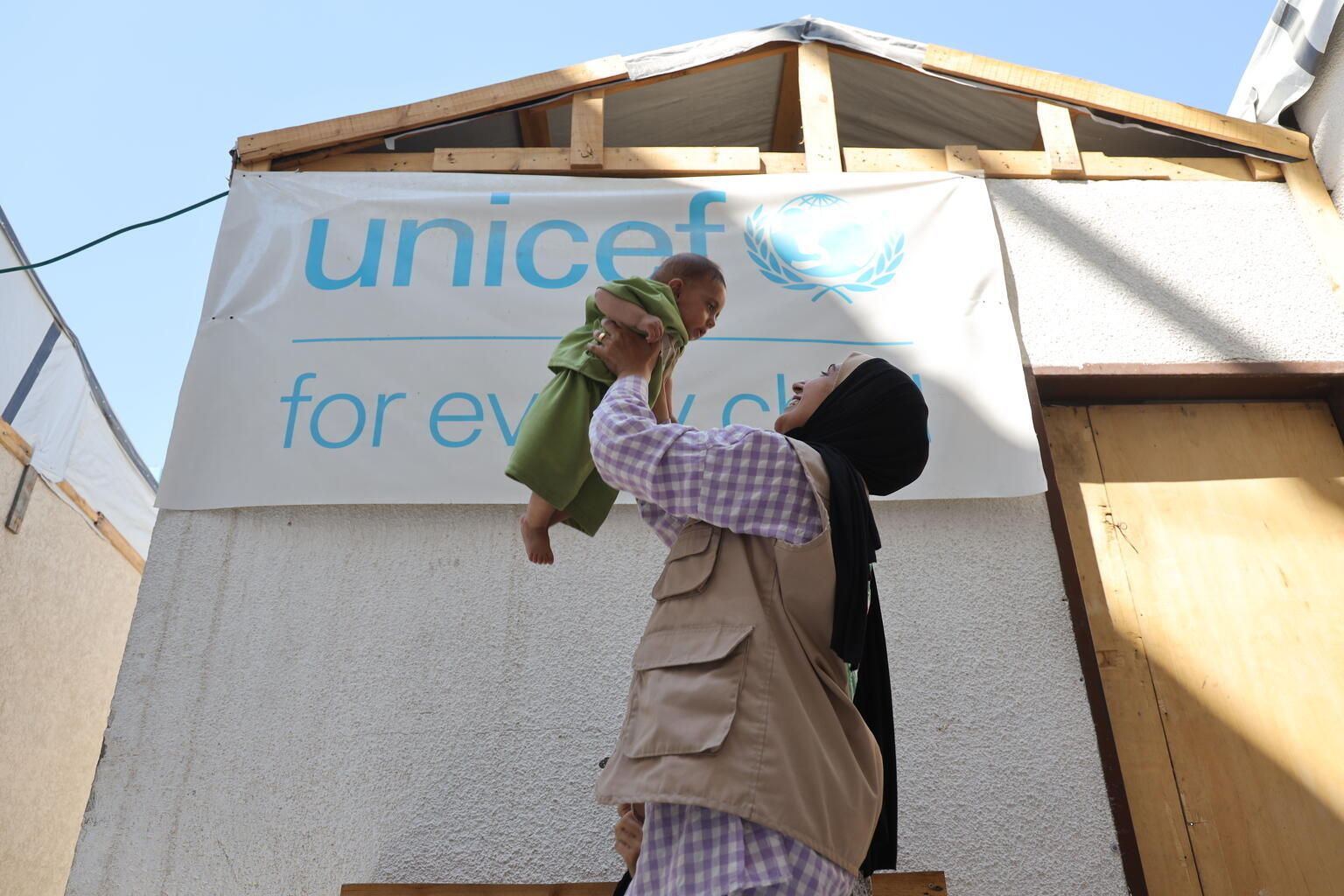
In August last year, famine was formally confirmed in Gaza. Markets were empty, people were starving, and nutrition services were overwhelmed as malnutrition surged. Parents desperately searched for food for their children.
As a UNICEF Nutrition Specialist working in Gaza, my job was simple and impossible all at once: to help find and treat every child suffering from malnutrition.
UNICEF’s response centred on a small but lifesaving intervention: Ready-to-Use Therapeutic Food, or RUTF.
RUTF has been a “gamechanger” in the fight against malnutrition. It is a low-cost, innovative treatment for malnutrition invented 30 years ago in 1996. It has become a cornerstone of emergency nutrition programming and has helped drive historic reductions in preventable child deaths globally. I have seen it used in Niger, Somalia, Angola, and now Gaza, where it remains essential.
What is RUTF? It is an energy-dense paste made from peanuts, sugar, milk powder, oil, vitamins, and minerals. It requires no preparation, no refrigeration, and no clean water. It can be stored for up to two years in hot or cold conditions.
Most importantly, it is palatable, which means children will eat it—and recover. It has been described as a “magic formula” to combat malnutrition.
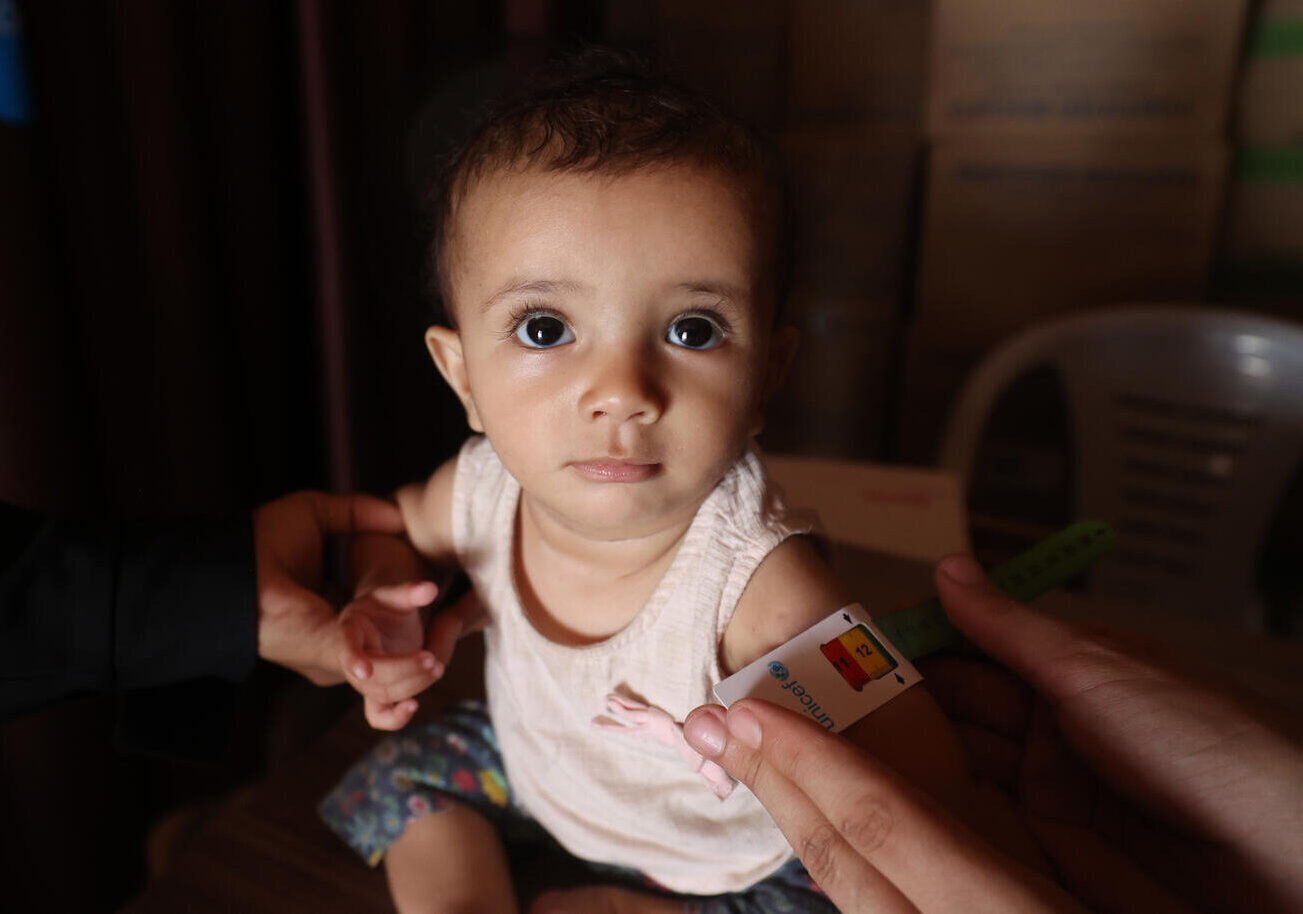
Seven-month-old Noura receives help from UNICEF.
Recovery for Palestinian children
In Gaza, almost 50,000 children were diagnosed and enrolled for malnutrition treatment between August and December 2025. Most were under two years of age, the most vulnerable stage of life.
Notably, older children—often less represented in nutrition programmes—also began arriving in large numbers with advanced malnutrition, reflecting prolonged food deprivation across entire households.
The situation quickly became a visible and severe crisis, with children showing clear signs of acute malnutrition. Health facilities were rapidly overwhelmed as admissions surged beyond capacity.
In this context, RUTF became the mainstay of treatment.
In Gaza, families living in tents struggle to find a way to cook food. Children queue daily at water trucks for drinking and washing.
Most families with children in our treatment programme rely on community kitchens and survive on just one or two meals a day. Demand for RUTF from parents has been extremely high.
They see how quickly it helps their children recover—weight returning, energy coming back, and the listless look in their eyes beginning to fade.
When children start to play again and rejoin their siblings, it gives families strength to carry on.
It gives me that strength too.
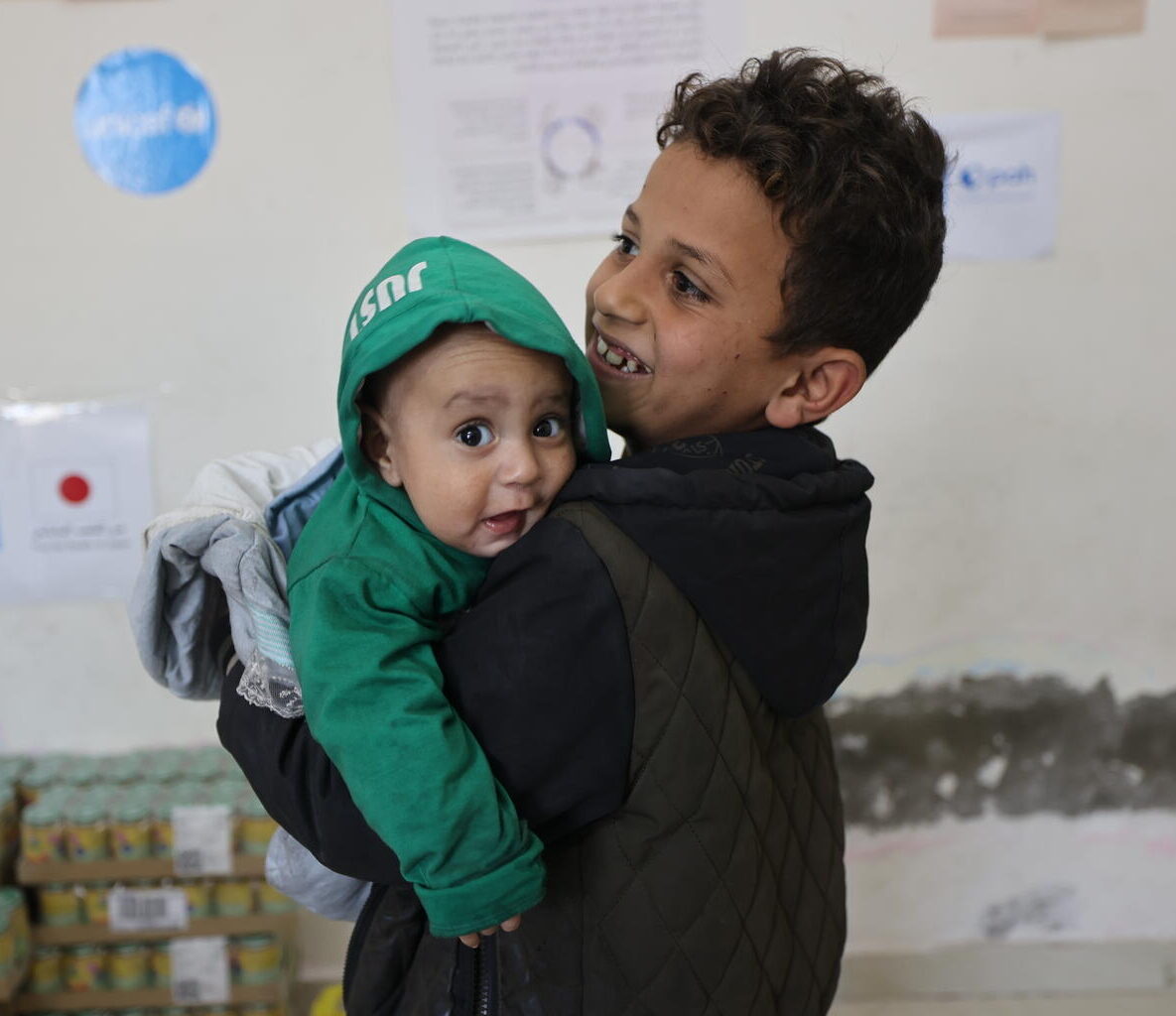
Two young boys receive nutrition support.
Getting essential financial help directly to families in Gaza
Even as food availability in local markets has improved in recent months, many families still cannot afford it. Employment opportunities remain scarce, and many households have lost everything they once depended on for income. Without the ability to earn, reliance on humanitarian assistance continues.
Despite the ceasefire, malnutrition in Gaza persists. Since January 2026, almost 15,000 children have required treatment. In April, numbers began to rise again as renewed conflict disrupted the flow of food into Gaza. This has driven up food prices, with some items, such as eggs, no longer available. RUTF remains critically needed.
But RUTF only treats malnutrition; it does not prevent it. Prevention requires stability, income, shelter, clean water, education, and peace. In conflict settings like Gaza, these conditions are extremely difficult to restore. Funding is stretched, needs are vast, and families are trying to rebuild from nothing.
As one child said to me recently: “How can we ever make up for what we lost in this war?” It is a devastatingly big question from a very small child.
UNICEF’s cash transfer programme helps bridge that gap. It supports families so that children who recover from malnutrition do not fall back into it. It allows parents to buy what they need most and helps pregnant and breastfeeding women afford an extra meal each day.
It is not a long-term solution—but it is a humane one.
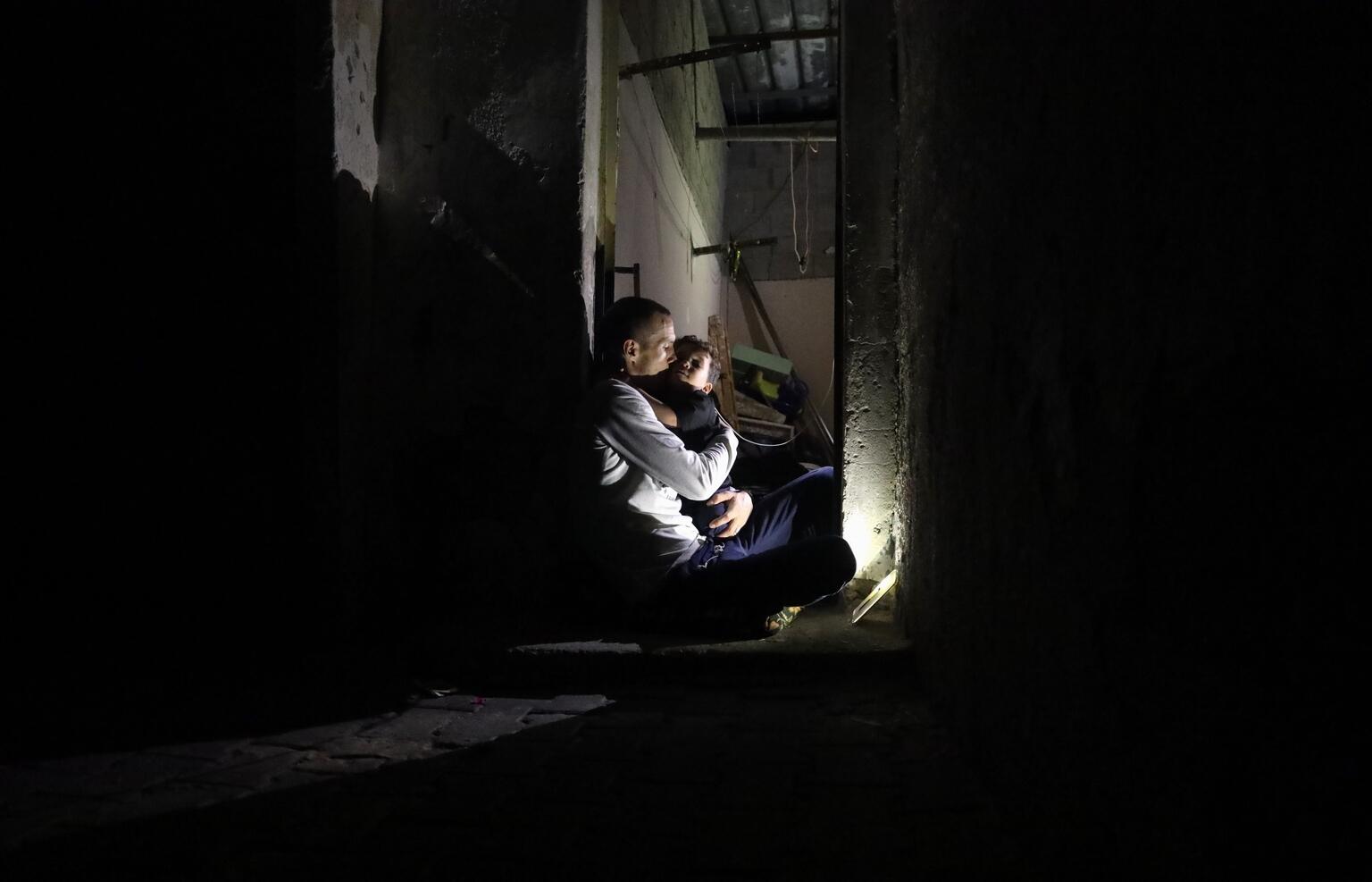
Shadi holds his 3-year-old son, Hadi at night in Gaza.
Ireland and solidarity with Gaza
Ireland has shown remarkable solidarity with the children and people of Gaza, and it makes me proud to be Irish. But for Gaza’s children, solidarity cannot be temporary.
They need sustained action and support.
They deserve to go to school, to play, and to grow safely – just like children in Ireland, and just as they did themselves not so long ago, before this conflict took so much from them.
Donate to children today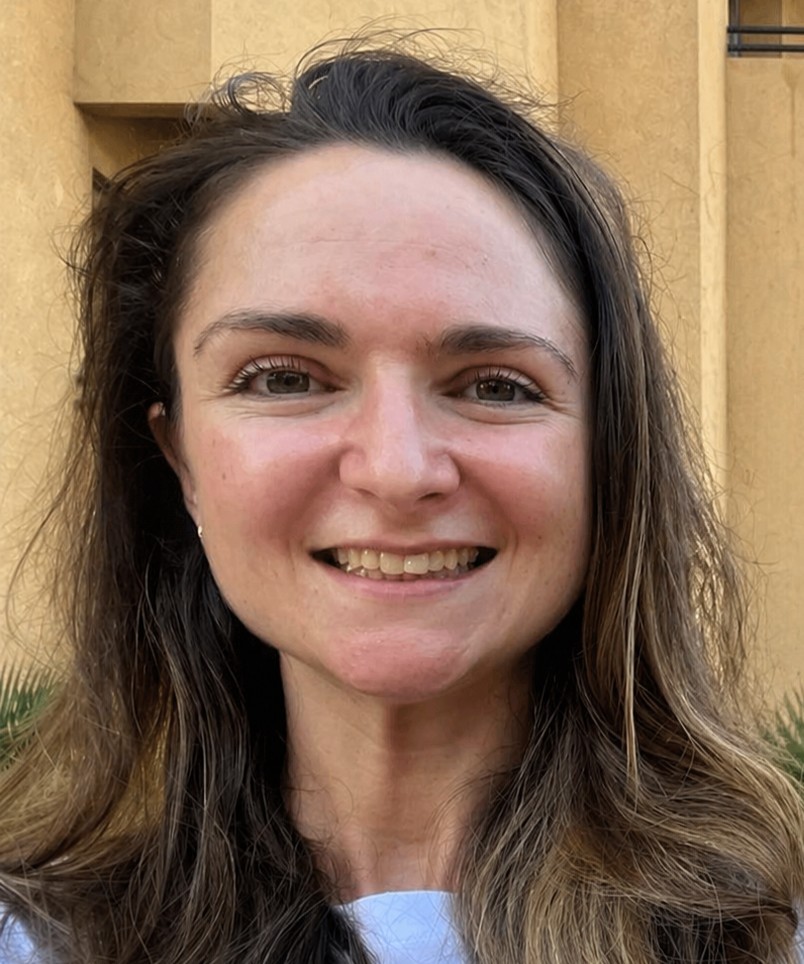
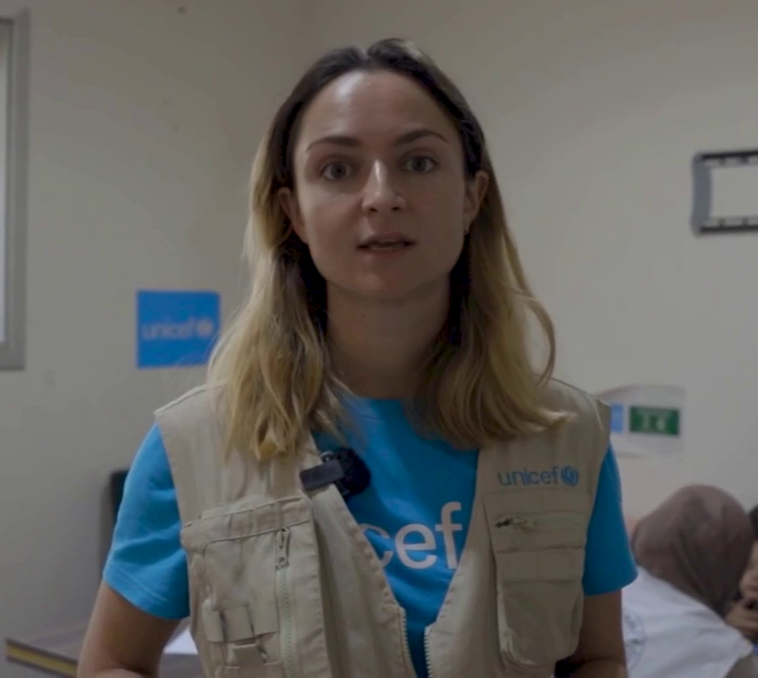
Ciara Hogan is a UNICEF programme manager and registered dietitian specialising in maternal and child nutrition. She is currently based in Gaza and has worked across multiple humanitarian contexts, including Niger, Somalia, and Angola, supporting programmes to treat and prevent severe acute malnutrition.
With a background in public health nutrition from the London School of Hygiene & Tropical Medicine, her work focuses on delivering life-saving interventions, including ready-to-use therapeutic food (RUTF), to children in some of the world’s most challenging settings.