

Protecting children across the world
Children experience violence and exploitation in every corner of the world. Separated from their families by conflict, disaster and trafficking, many are forced into dangerous labour, recruited by armed groups or subjected to gender-based violence.
And too often, this harm happens in the very places children should feel safest: their homes, schools and communities, at the hands of people they trust.
UNICEF works to keep children safe from abuse, strengthen the safety nets that protect them, and provide care to those who have already suffered. Because every child has the right to grow up free from fear.
Read on to meet the children UNICEF has supported, and the people working tirelessly to protect them.
Supporting families fleeing violence
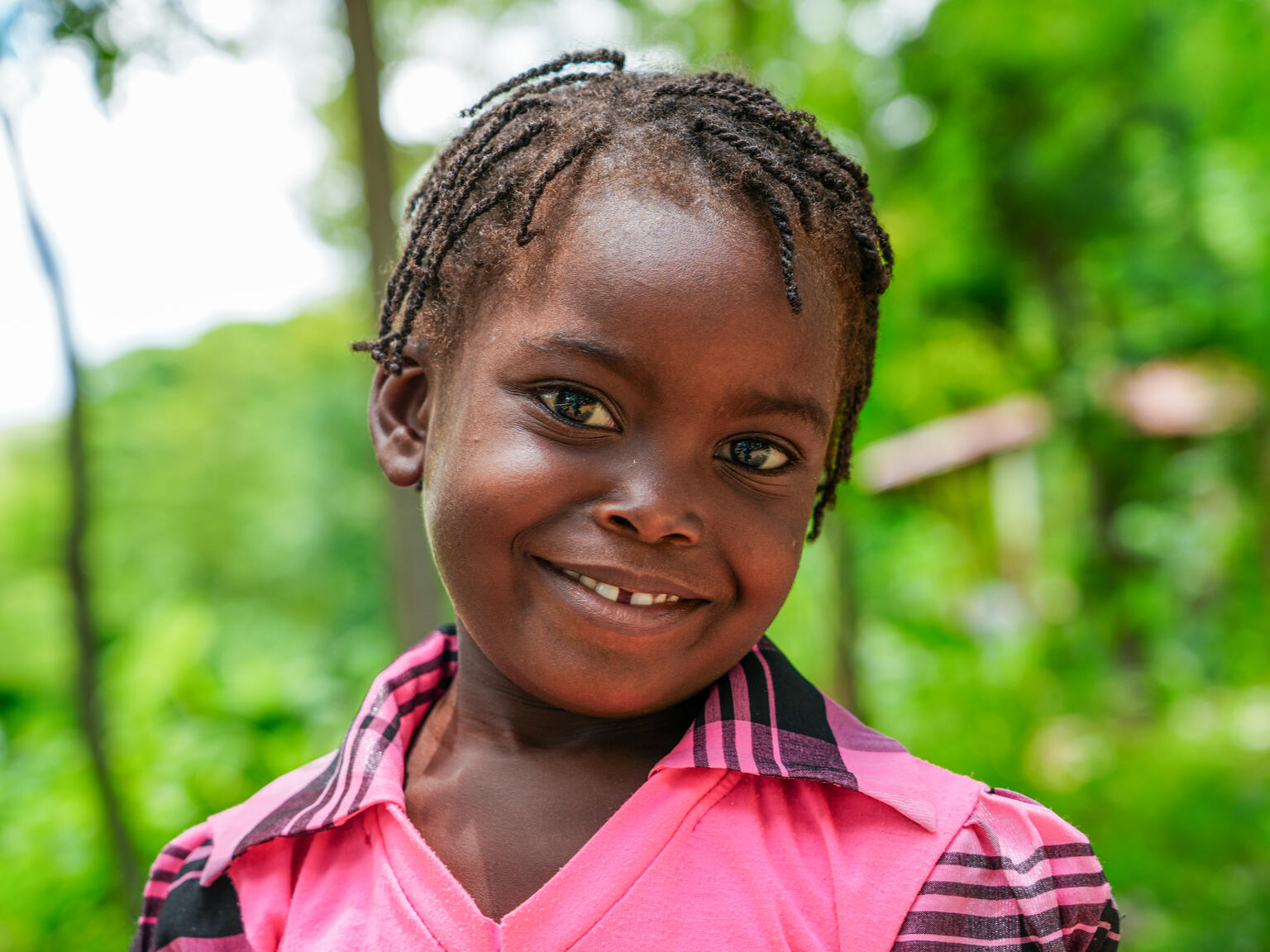
Leineda, age six, and her mother, Christiana, fled escalating violence in Haiti. Christiana had already lost her husband to an attack in 2024, and when violence intensified again in early 2025, she gathered her six children and left once more.
Their displacement disrupted everything, including treatment for Leineda’s malnutrition. With no shelter, hygiene supplies or steady access to food, Christiana struggled to meet her children’s basic needs.
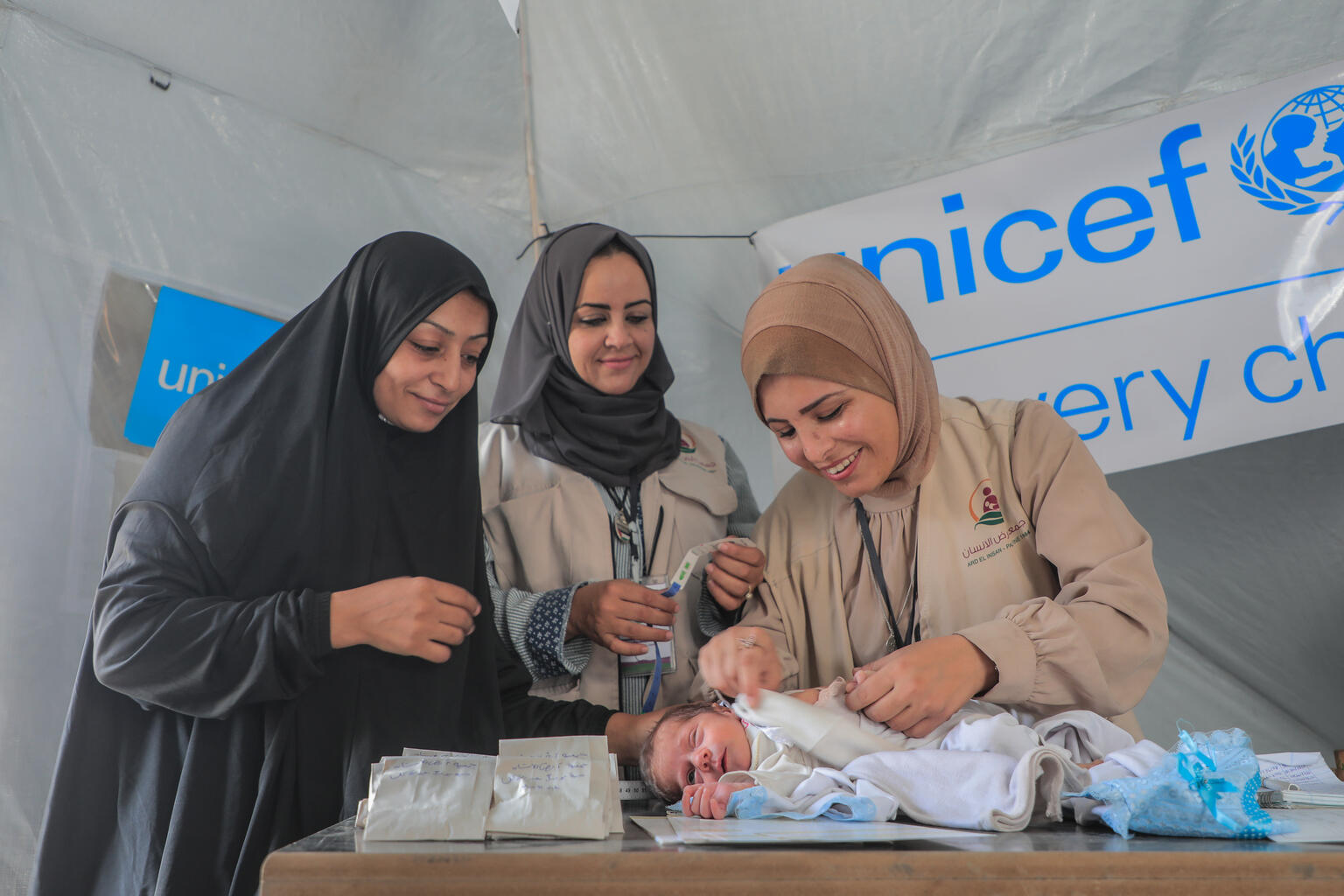
Families across Haiti have faced repeated displacement as armed groups move through communities. Local services are overwhelmed, and many children have been separated from caregivers, witnessed violence or experienced psychological distress. When a mobile clinic supported by UNICEF and partners opened, Christiana brought her children for medical care and nutrition screening.
For Christiana and her children, these services are a stabilising point in a period marked by loss and uncertainty. Watching Leineda receive medical attention and seeing her other children welcomed into safe spaces has given the family a moment of relief after months of upheaval.

Reducing the risk for girls
Eight‑year‑old Kourech lives in a Somali community in Ethiopia where the risk of female genital mutilation (FGM) remains extremely high. In Somali communities, the prevalence is estimated at 99 per cent among women aged 15 to 49. These deeply rooted norms mean that girls like Kourech face significant pressure to undergo cutting.
Across Eastern and Southern Africa, attitudes toward FGM are shifting, with the majority of people in many practising countries now opposing the practice. However, Somalia remains an exception. Although some countries in the region have seen declines in FGM over decades, population growth means nearly one million girls continue to be cut each year.
UNICEF is working with communities to reduce the risk for girls. This includes supporting families and leaders to question harmful social norms, advocating at national and regional levels and strengthening child protection systems. Survivor‑led dialogue and community engagement help open conversations that were once avoided.
For girls like Kourech, these efforts aim to create an environment where they can grow up healthy and free from harm, without facing the lifelong consequences associated with FGM.
Can you help protect children?
With support from you, UNICEF can keep children safe now.

Sylvia’s first steps towards a new life
In one of the poorest neighbourhoods of Burgas, Bulgaria, six‑year‑old Sylvia dances to the songs her mother sings. It is a striking change from her early childhood, when she could not stand firmly or walk without support.
At the Community Support Center in Burgas, her mother, Zhyumbyula, explains: “Sylvia loves it when I sing to her. I am happy to watch her dance, because until she was two years old, she could not even stand firmly on her feet.”
Sylvia was born into one of the city’s Roma ghettos and is the only girl among five children. Her mother, a single parent who gave birth to her first child at 13, has no formal education or employment and relied entirely on relatives until recently.
When UNICEF‑supported mobile teams first found Sylvia in 2021, she was unable to stand without being propped up by pillows. The team began helping the family access medical appointments, rehabilitation and necessary documentation.
Over time, Sylvia started to walk, and her confidence grew. At the Community Support Center, she now meets regularly with a speech therapist, psychologist and physical therapist.
The centre’s manager describes Sylvia’s progress as an example of what timely, continuous support can achieve.
“We are much better now,” says Zhyumbyula. “Sylvia is already walking and has started to talk little by little. I believe that with their help, things will get even better.”
Helping Liza reclaim her education
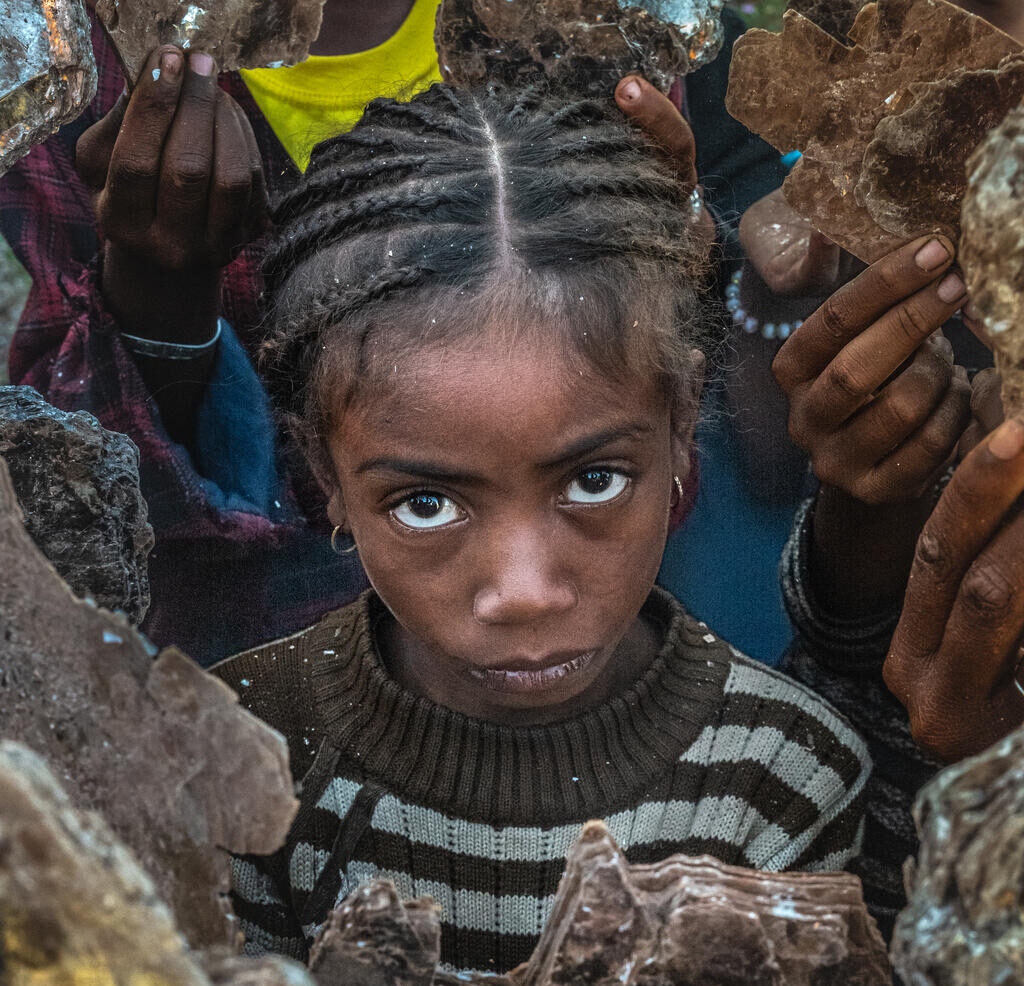
In Madagascar, ten‑year‑old Liza describes the years she worked in the mica mines.
“We are eight siblings, but only four of us go to school because we don’t have enough money,” she says.
She began mining in 2021, joining many other children engaged in physically demanding and dangerous work that deprives them of education and play.
Liza’s turning point came in 2023 when she joined a Life Skills programme. The sessions built her awareness of rights, strengthened practical decision‑making skills and encouraged her to return to school.
UNICEF works in communities like Behara to strengthen child protection systems, support awareness efforts that help families understand the risks of child labour and collaborate with local partners to reduce the economic pressures that push children into hazardous work.
Liza’s story shows how targeted interventions can help children reclaim their education and move toward a safer future.