

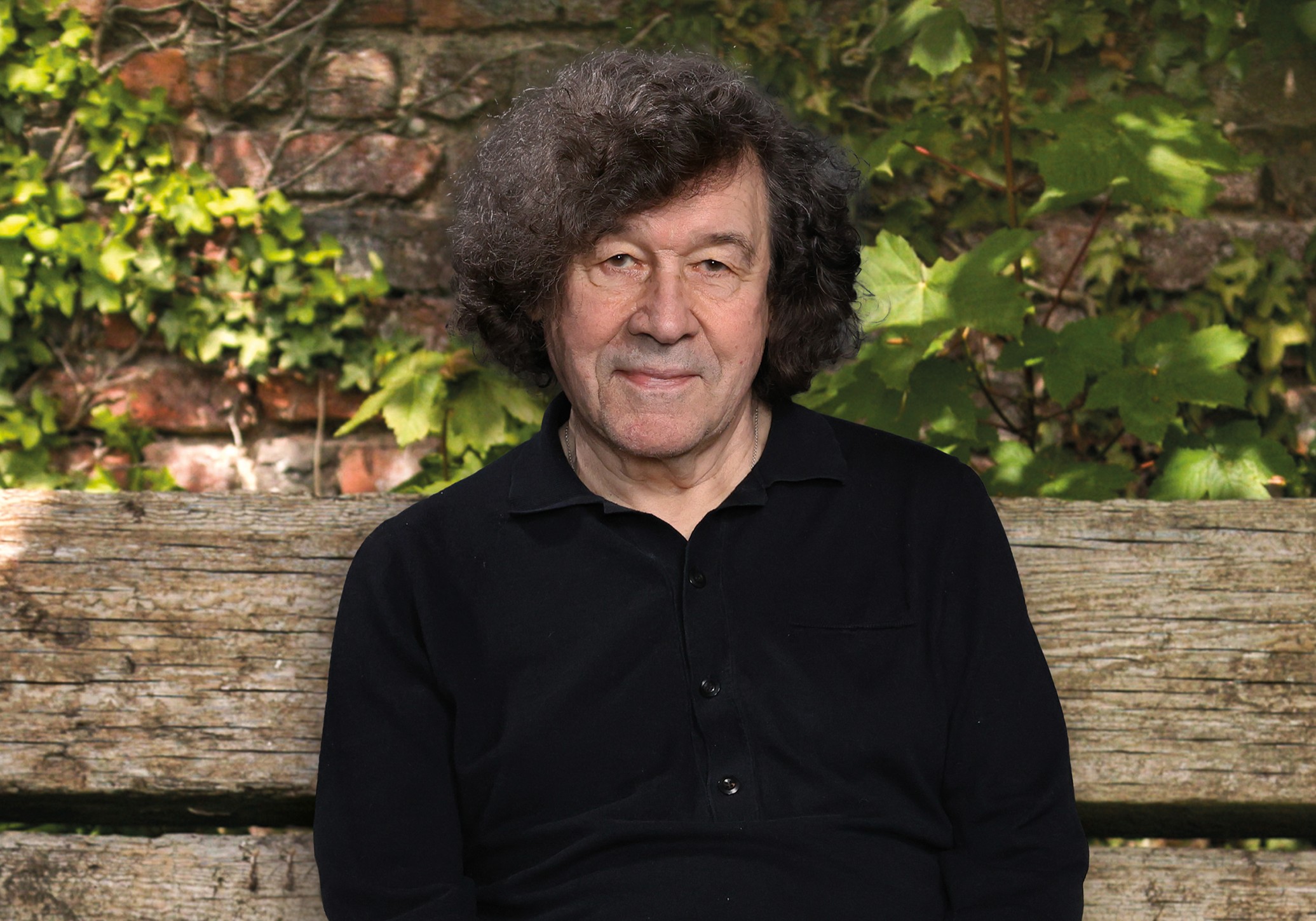
Stephen Read during a UNICEF field trip. Click for more.
One hot meal can change everything for a child
By Stephen Rea
I want to tell you about a six-year-old girl called Nasim. She lives in the Central Ethiopia Region and goes to Wente Sositro Primary School. Every day at school she receives a hot meal – rice with vegetables, haricot beans and one boiled egg.
The egg matters more than you might think.
Nasim’s community has been hit hard by drought. Food prices have doubled since the start of the Middle East crisis.
Her parents care enormously about her and want her to grow up healthy. But like so many families in that region, they struggle to put enough food on the table.
Without her school meal, Nasim would go hungry. And hunger does things to a child that go far beyond an empty stomach.
It steals energy and weakens immunity. At school it becomes almost impossible to follow what the teacher is saying, to learn, to begin to imagine a future for yourself.
But watch Nasim in her classroom and you see something different.
She steps up to the blackboard with confidence. She reads and does her sums. Her teacher Mohammed says she participates in everything. That lunchtime meal – including the single egg – is part of why.
One egg and one hot meal changes everything.
Attendance is up. Children who were previously too hungry to focus are now engaged and present. Girls are staying in school longer.
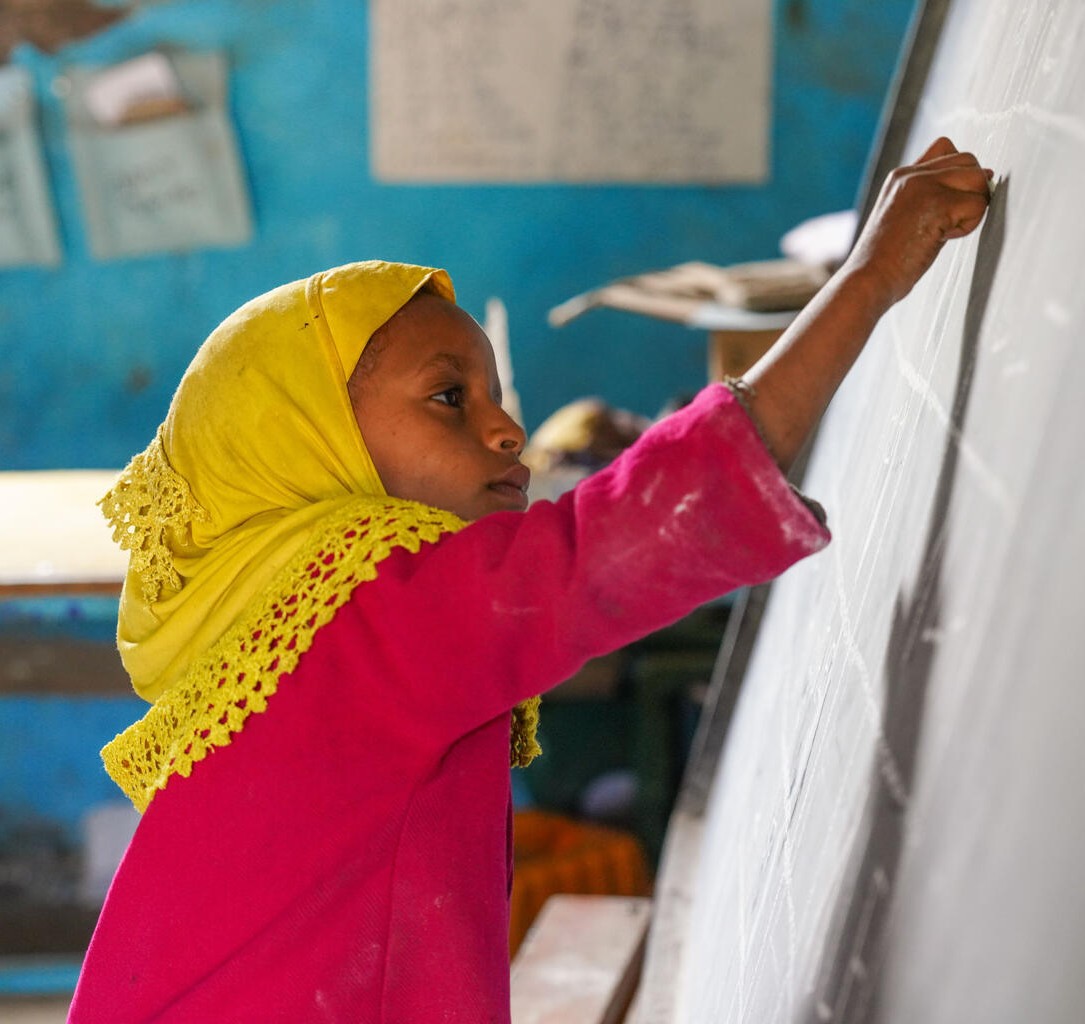
A hot meal can keep children in school
The problem nobody talks about loudly enough
Nearly half of all deaths of children under five are linked to poor nutrition. Not wars or natural disasters as most people think. But hunger, poor nutrition and the absence of sustained investment in tackling it.
In sub-Saharan Africa, a child is 14 times more likely to die before their fifth birthday than a child born in Ireland.
Fourteen times.
That stopped me in my tracks when I first heard it.
But here is another number: In Ethiopia the death rate of children under-five has dropped by 77% since 2010. And UNICEF and its partners long-term work has been critical to this progress.
By sustained, patient, year-round investment in communities; building the knowledge, infrastructure and local capacity to keep children alive and healthy, long after the initial emergency support has moved on.
This is what UNICEF does. And this is what the tick on my bucket list helps make possible.
Read on to find out why.
Progress in Ethiopia over the decades
1980s
1980s
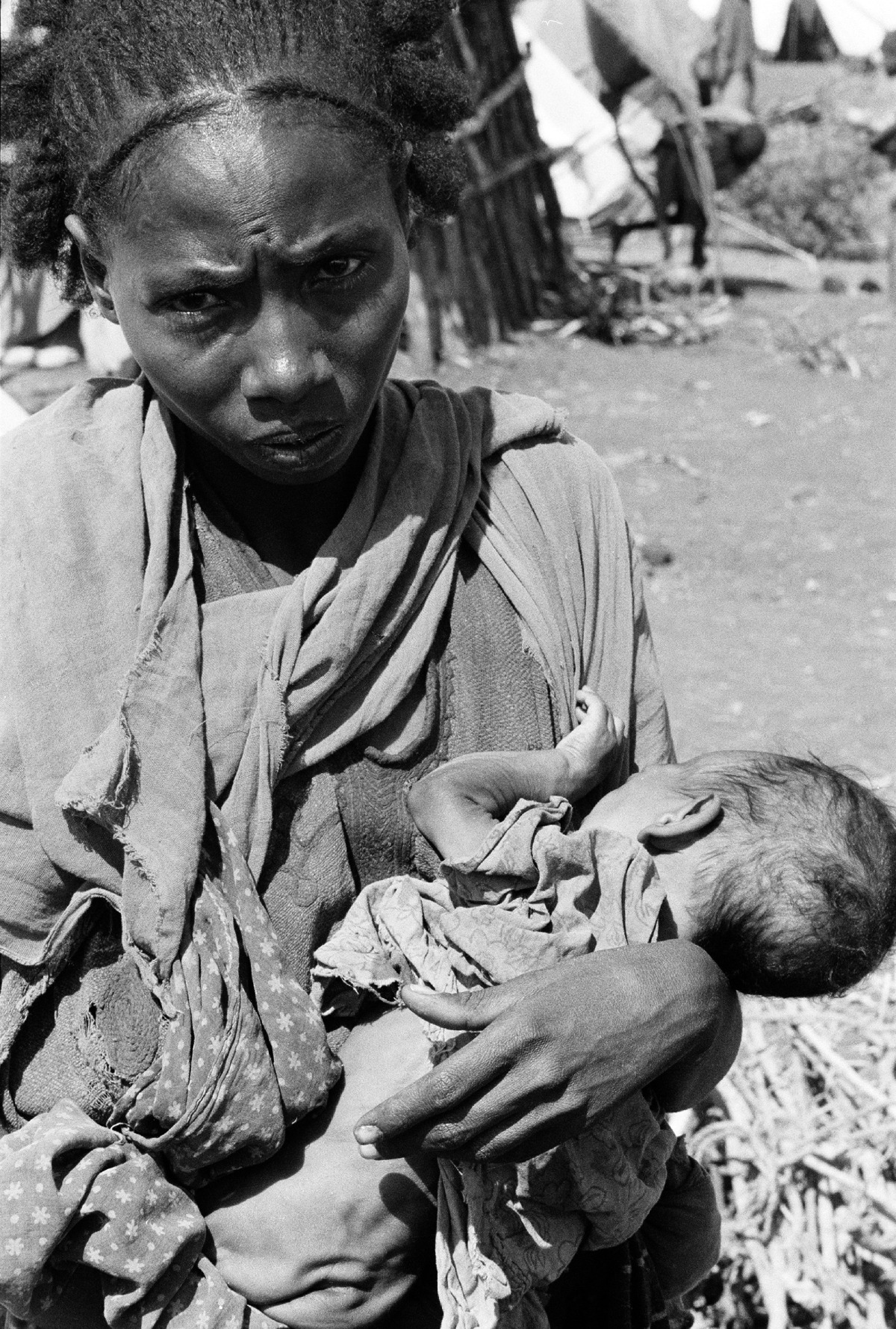
In Ethiopia, during the devasting famines of 1983 and 1985 an estimated 1 million lives were lost.
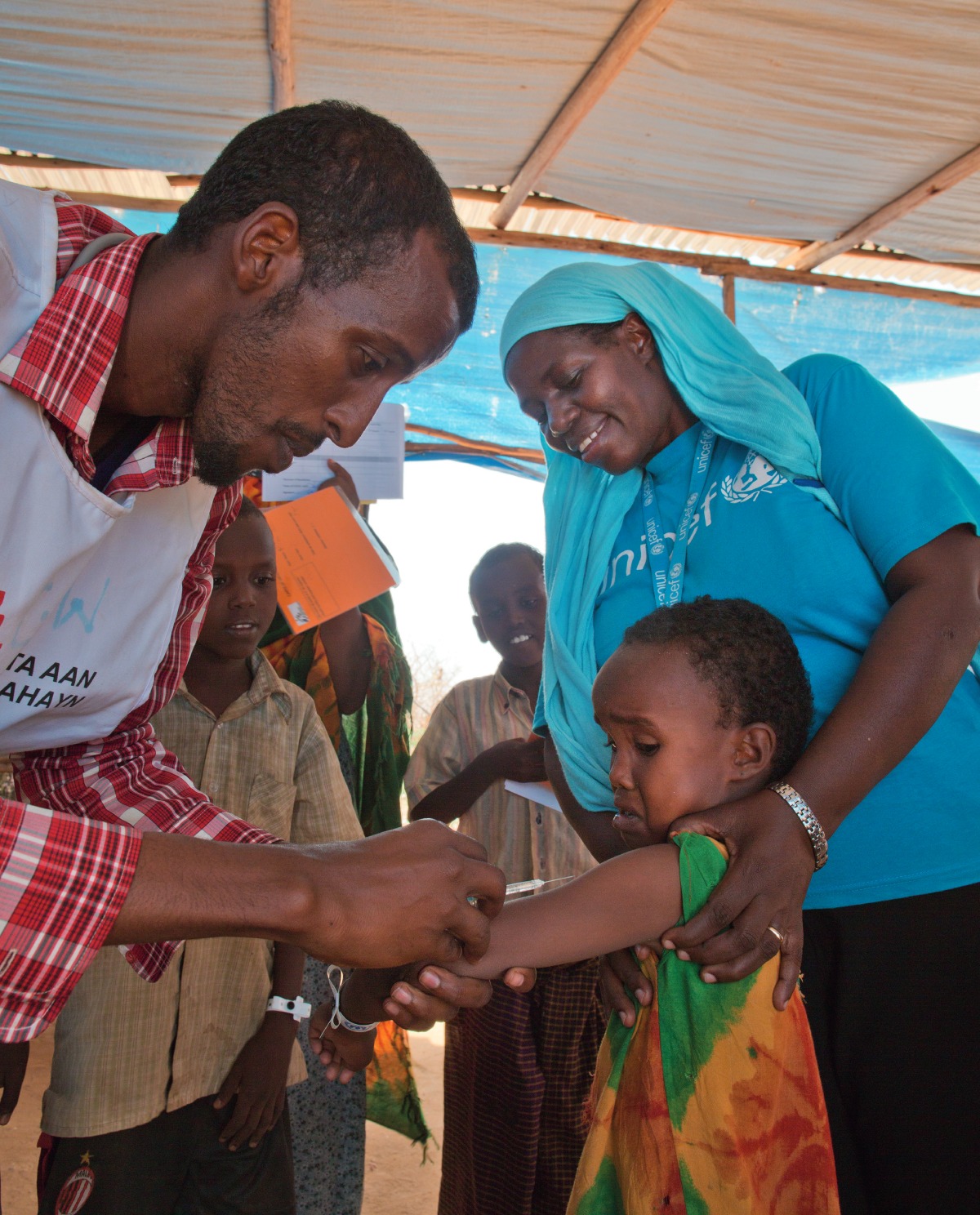
1990s
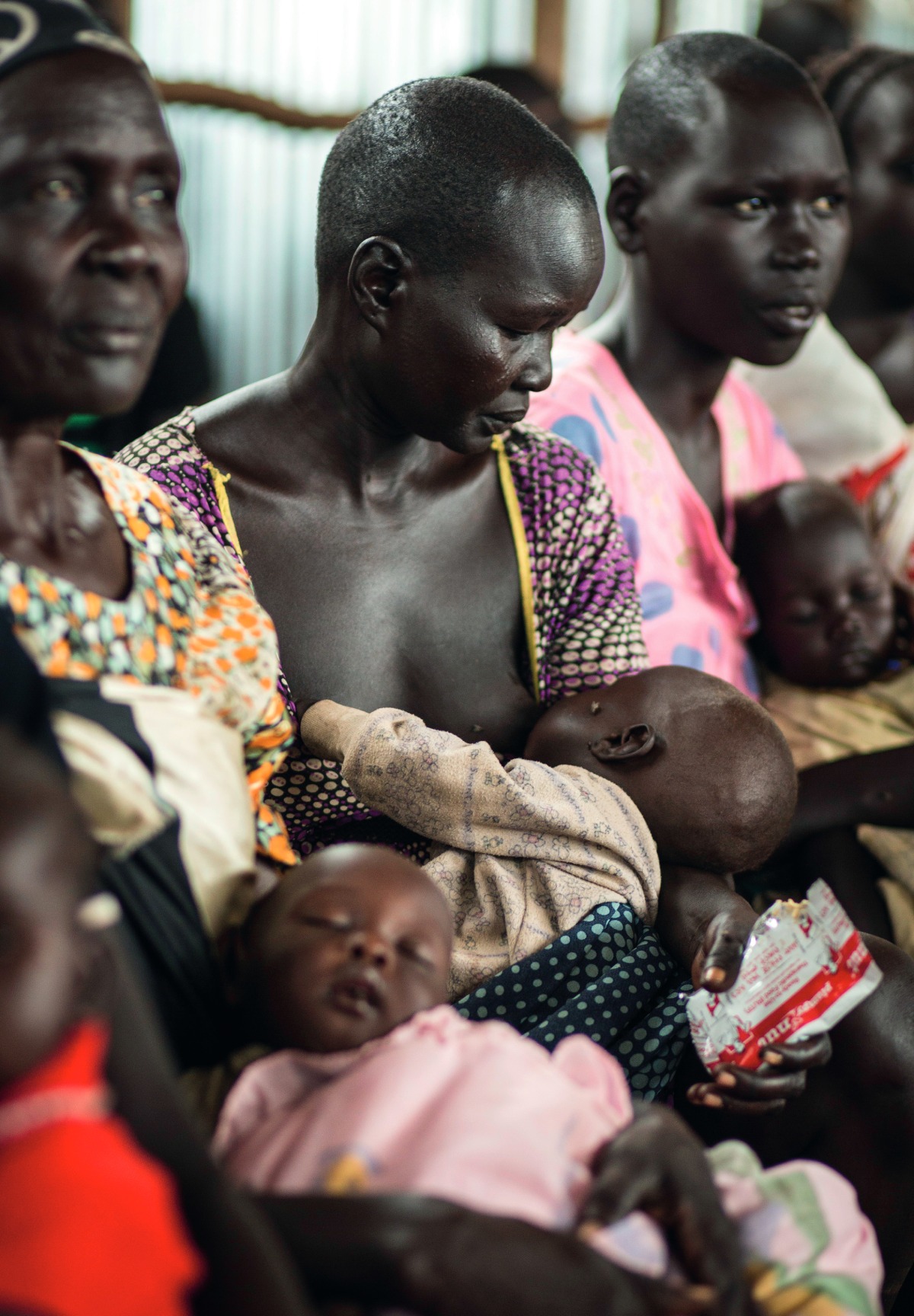
1990s
Thanks to community based nutrition and other schemes under 5 mortality rates fall by 50% in the following two decades.
2010-2020
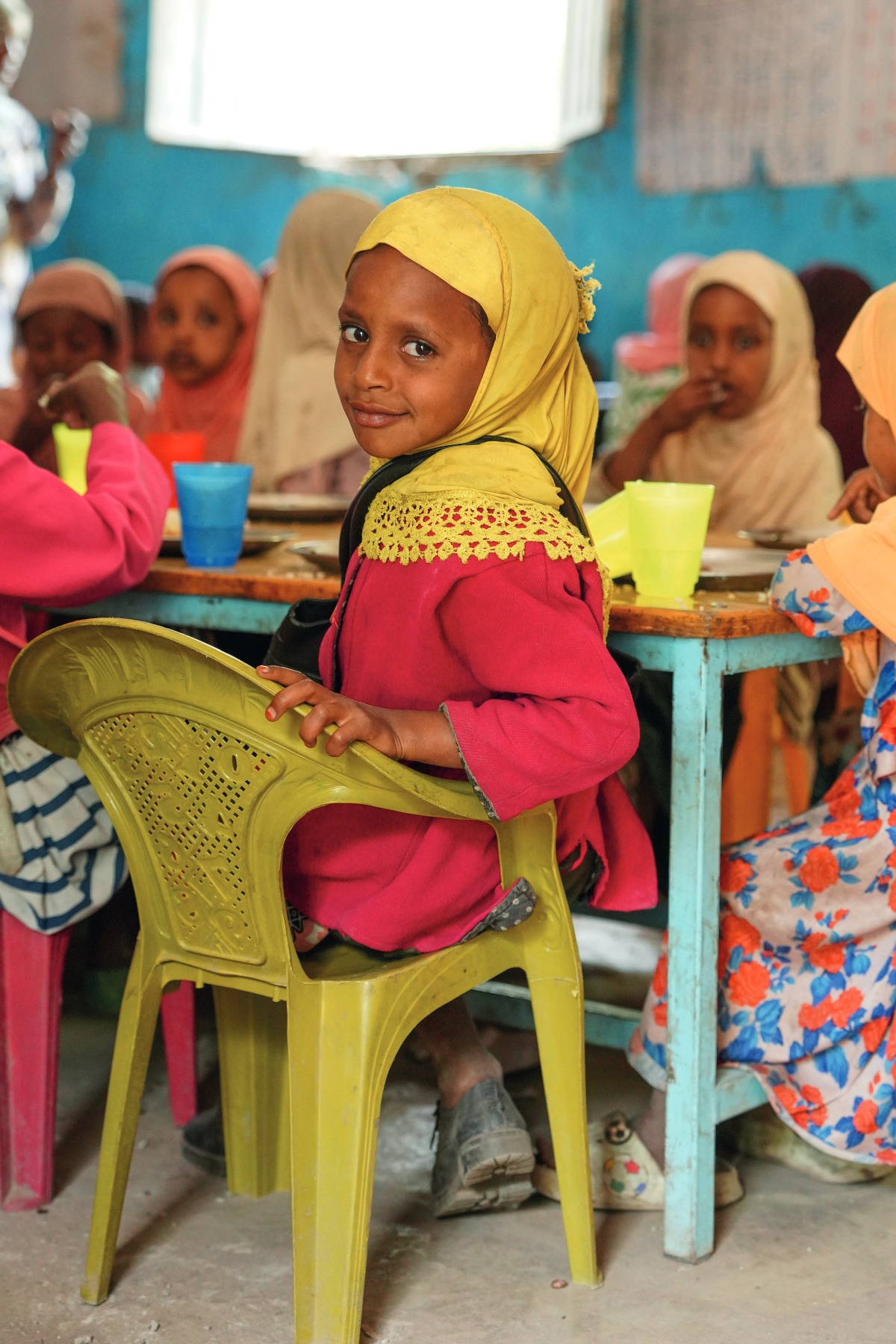
2010-2020
Under 5 mortality rate falls by another 60% driven by integrated nutrition, school meals, WASH (water, sanitation & hygiene) and maternal health programmes.
2020, today, and the future
2020, today, and the future
UNICEF is supporting climate-resilient food production through drought resistant crops and hydroponic cultivation. Nutrition and education support are also provided in conflict zones and refugee camps.
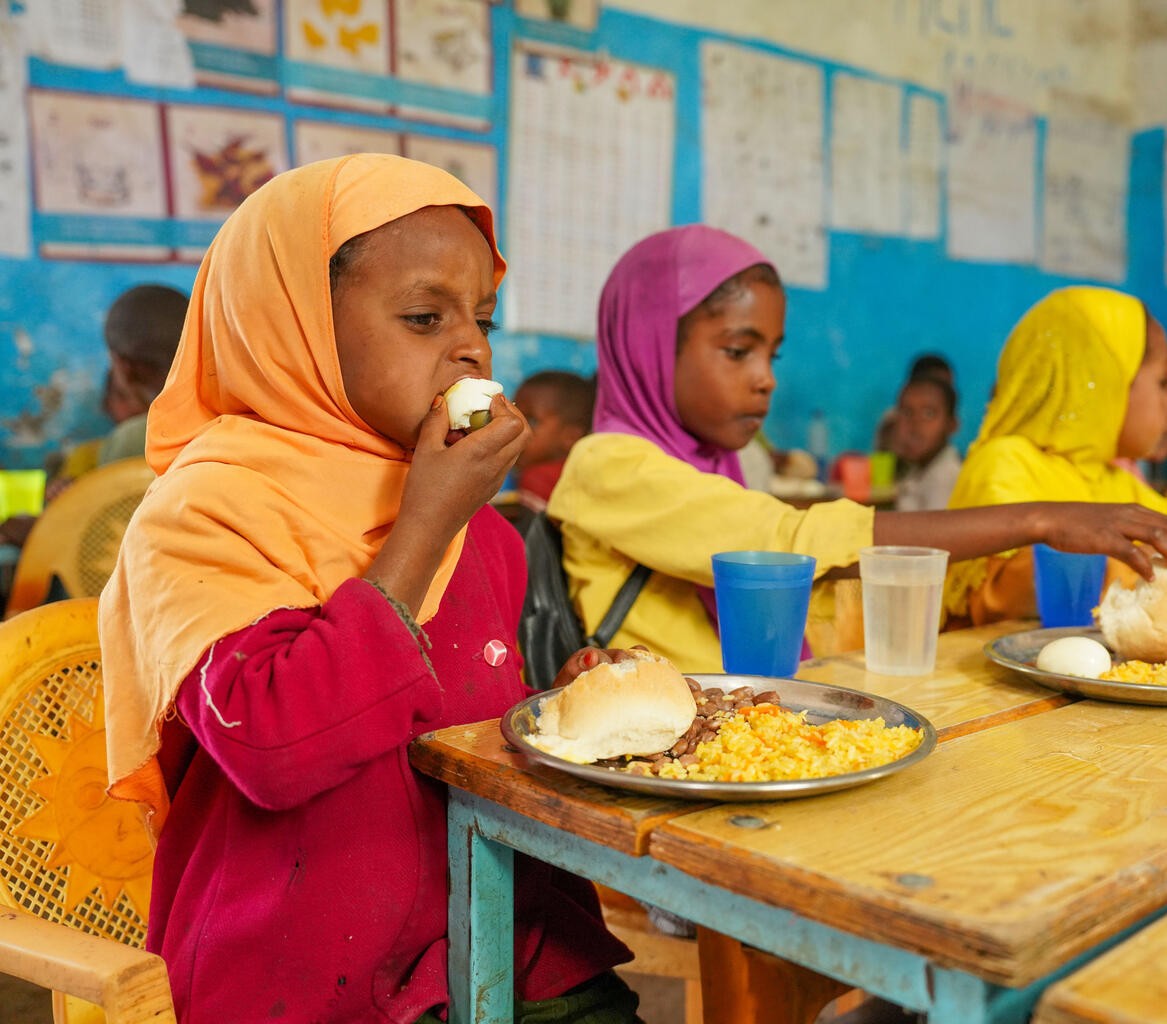
Six-year-old Nasim is now thriving.
What UNICEF is building
The meal Nasim receives every day doesn’t arrive from outside. Her school runs its own poultry farm, built with UNICEF support as part of a programme running across Ethiopia.
Every day, more than 1,600 eggs are collected. The eggs not used by the school are distributed through a network of hubs across the district. These are managed by local young people who have been trained and employed to run the operation.
This is a community feeding its own children. With the knowledge, infrastructure and confidence to keep doing it.
This is not aid that arrives and disappears. It is the kind of investment that change what life looks like for a community ten years from now.
And the kind of work that only happens when an organisation has the resources to plan ahead – not just to respond when an emergency hits.
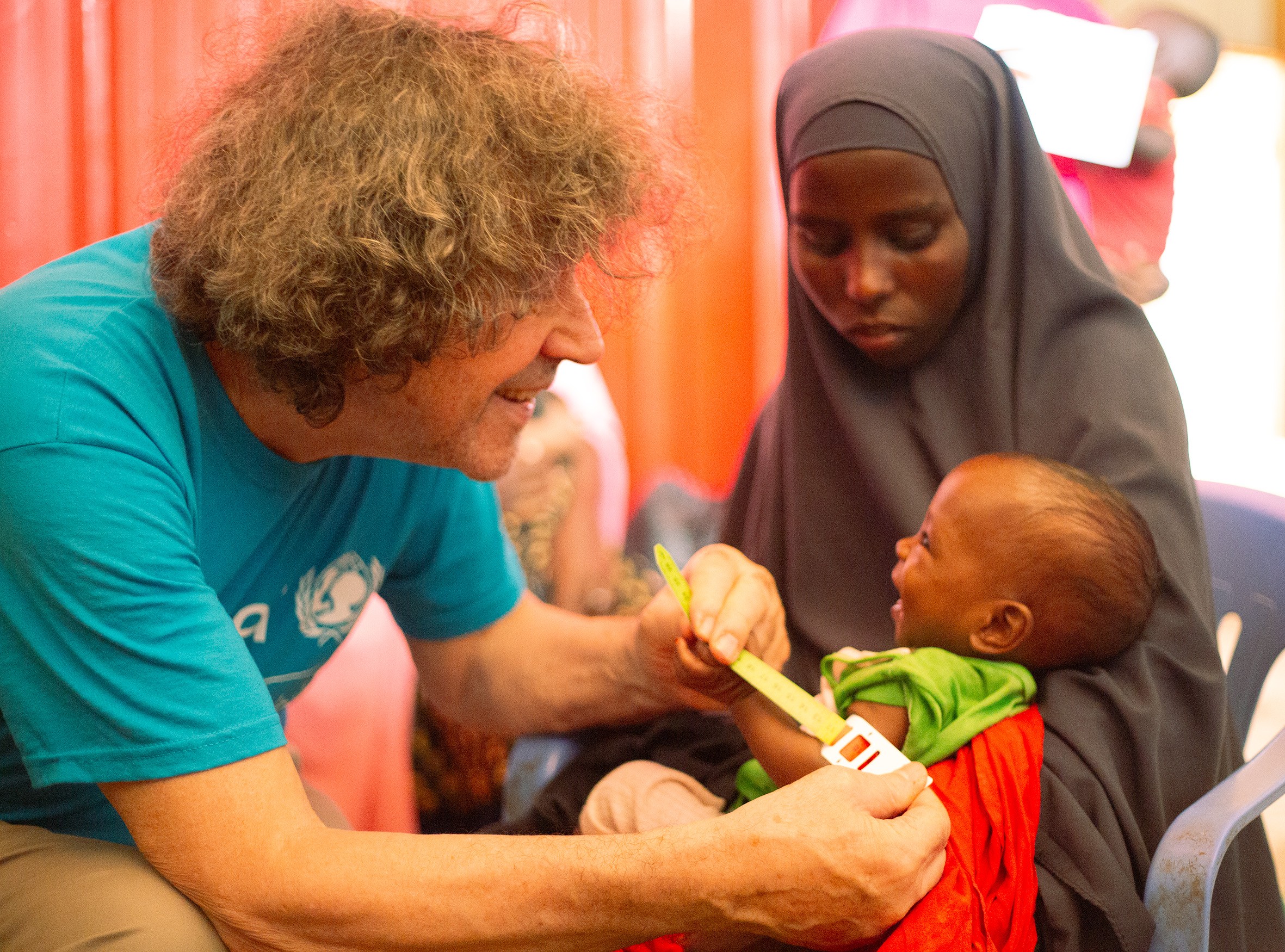
Stephen wants you to join the Bucketful journey
Why I decided to act
I’ve been a UNICEF Ambassador for over 20 years. I’ve seen this work with my own eyes. And recently I did something I want to tell you about.
I left a gift to UNICEF in my Will.
I call it the most important tick on my bucket list. Not the films, plays, awards or the places I’ve been – though I’m grateful for all of it.
But this: the decision to make sure the values I’ve lived by keep going after I’m gone.
A one-off donation does good; I’m not dismissing that for a moment. But what UNICEF is building in Ethiopia – the farms, the distribution networks, the trained local people who keep the whole thing running – that takes years to build and needs sustained funding to survive for decades to come.
A gift in your Will costs you nothing today and nothing in your life changes. What changes is what your values get to do in the world after you are gone.
I’d ask you to join me in adding one extraordinary tick to your bucket list.
Join Bucketful of Dreams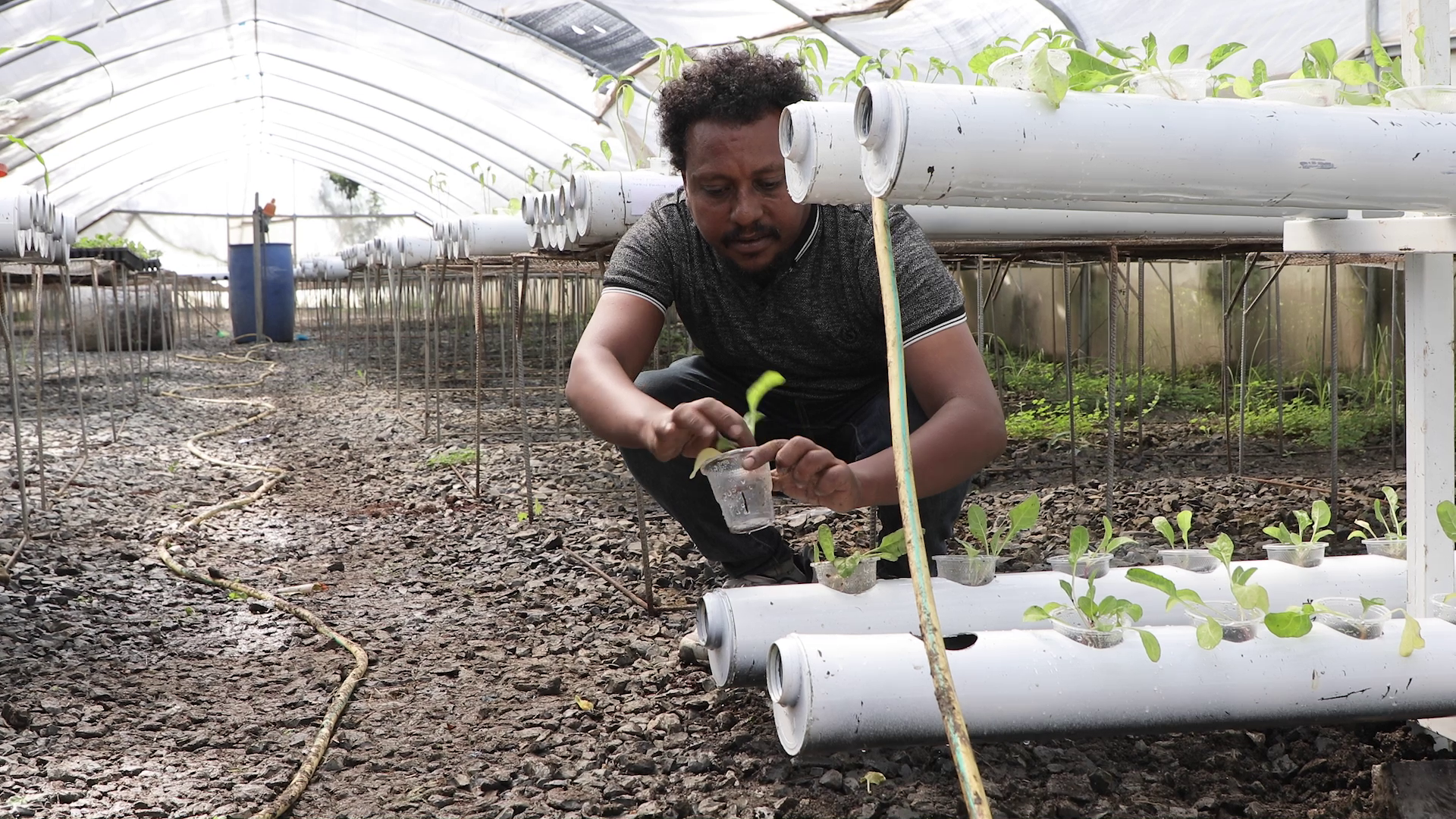
Generational change
When UNICEF told me about what’s happening in Tigray, in the north of Ethiopia, I found myself thinking about it for days.
You may know Tigray from the news: Years of civil conflict … drought following drought … harvests failing season after season … … families with almost nothing left to fall back on.
And yet, in a community in Mekelle, the regional capital, food is growing. Not in fields or soil, but in trays. UNICEF, working with a local partner, has helped establish a hydroponic farming programme here.
Hydroponics grows crops without soil. It needs very little water and works regardless of weather or season. In a landscape where drought has made conventional farming almost impossible, it works.
Behailu Abreha, General Manager of the hydroponic farm, puts it in five words: “We can produce year round.”
UNICEF don’t just respond to the emergency in the headlines this week. They also do the patient, year-round work which changes what life looks like for a community ten years from now.
This is what a legacy gift makes possible. Help for the children who need it today and the kind of long-term investment that changes what tomorrow looks like.
I didn’t agonise over my decision, I simply decided that the values I’d held all my life were worth something after I was gone. And I did something about it.
Join Bucketful of Dreams