

Clean water changes everything
Safe water is a human right. Yet 785 million people around the world still lack basic access to it, and 3.5 billion live without safe sanitation. For children, the consequences go far beyond thirst. Without clean water, proper sanitation and good hygiene, they face preventable disease, malnutrition and missed schooling. Girls and women carry a disproportionate burden, and those living in poverty or with a disability are the hardest hit.
Water, sanitation and hygiene – known as WASH – are the foundation on which healthy, thriving childhoods are built. When that foundation is missing, everything else is harder.
Read on to see how UNICEF is working to change that, one community at a time.
Essential services for children like Bernard
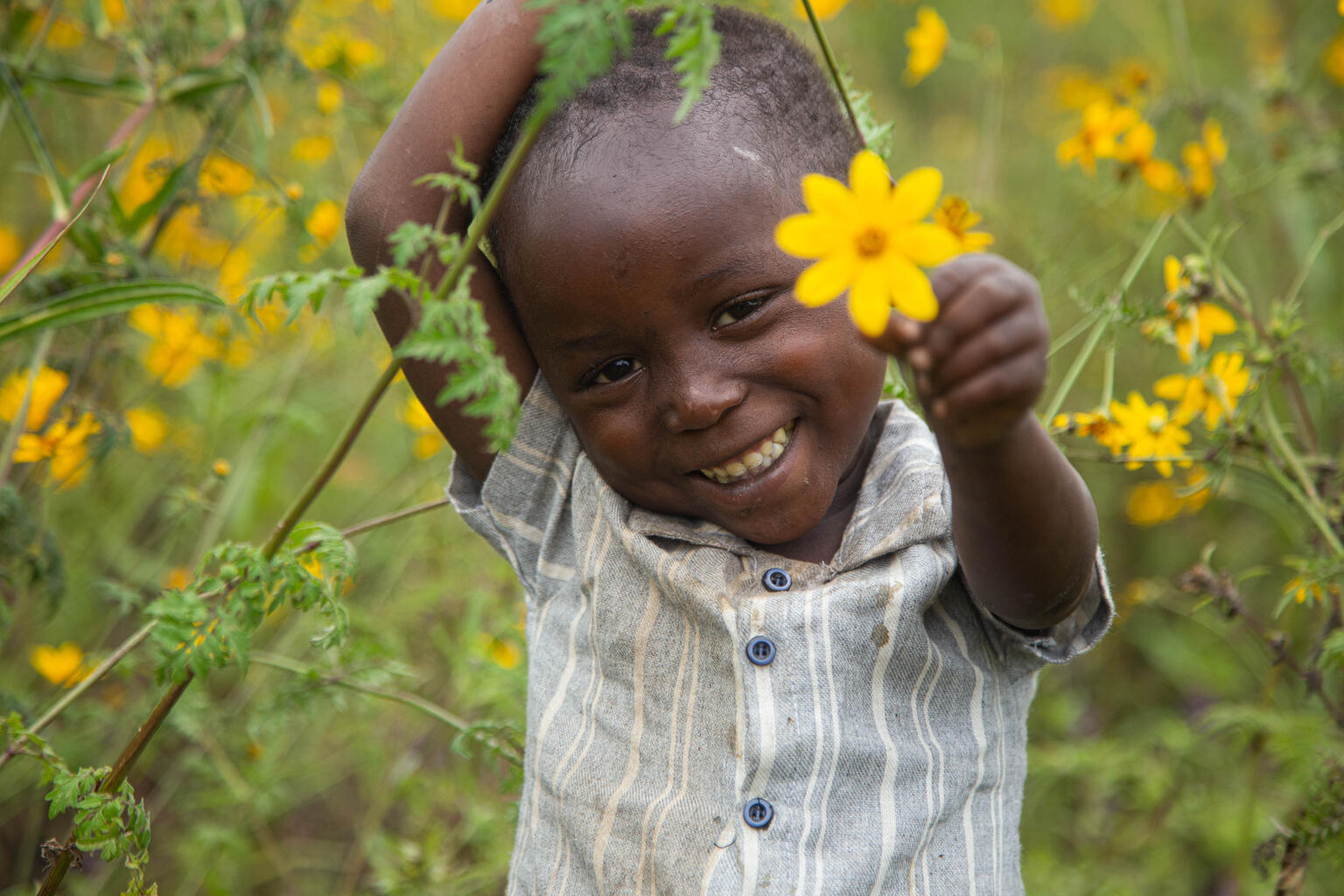
Bernard, age four, from the Democratic Republic of the Congo, has lived through repeated waves of displacement due to conflict.
“Life has been very hard here. Everything had been destroyed,” says Bernard’s father Alphonse, who opened his home to several displaced families despite scarce food and limited space.
UNICEF launched an emergency programme in the area to reach more than 84,000 people with clean water, sanitation and hygiene services. This meant installing family toilets and showers, extending water networks, distributing WASH kits and leading community campaigns on safe hygiene practices.
New facilities beside Alphonse’s home now provide clean water, a functioning shower and proper latrines for the households sheltering there.
Needs remain high. As Alphonse puts it: “I’m truly grateful for everything, but we still need help. There’s no hospital here in Bushagara. If a child falls ill, we don’t know where to take them.”
For a child like Bernard, playing beside a newly built shower block is a sign that essential systems are being rebuilt in a place where conflict has stripped life down to basics.
The new facilities installed beside Alphonse’s home now give his household – and the families he shelters – clean water, a functioning shower, and proper latrines for the first time since the violence began.
For children like Bernard UNICEF’s support brings a sense of stability, dignity, and hope. In the aftermath of devastation, it is the first step toward rebuilding a community where children can grow up safe, protected, and able to dream again.
Protecting children from extreme heat
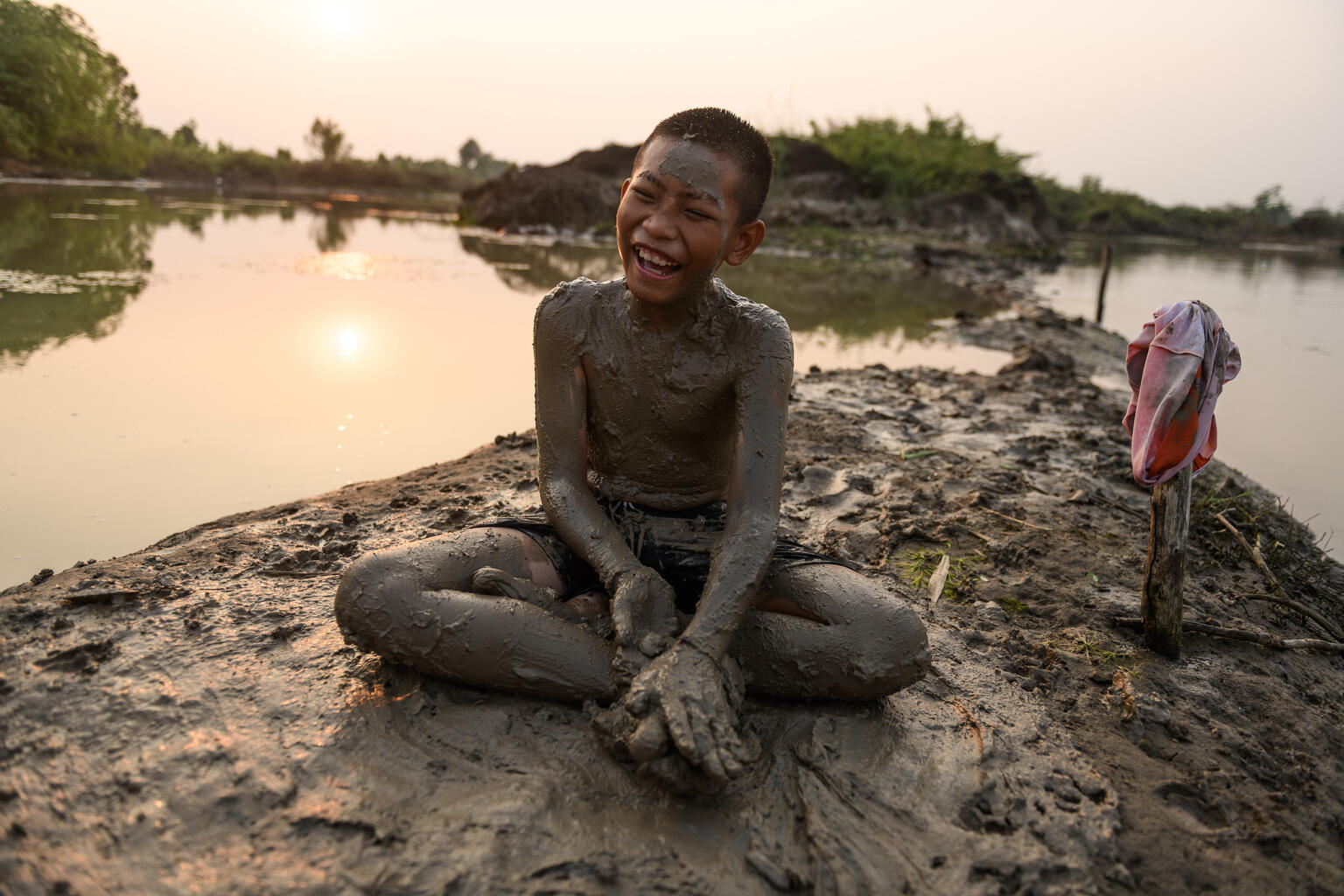
Along the banks of the Mun River, ten‑year‑old Meenakhun Sukma (known as Anfield) spends his days helping his grandparents with household chores. When the afternoon heat becomes overwhelming, he cools off by playing in the mud and swimming in the river.
Thailand is increasingly vulnerable to climate‑driven hazards and now ranks as the 9th most climate‑affected country worldwide according to the Global Climate Risk Index. In 2021, an estimated 10.3 million children – roughly three in four across the country – were exposed to high heatwave frequency, with 5.9 million experiencing severe exposure.
UNICEF is working to strengthen the protection and resilience of children like Meenakhun, whose daily lives are increasingly shaped by extreme heat. This includes raising awareness among caregivers, supporting climate‑adapted schools and kindergartens, and reinforcing health systems to better respond to heat‑related illness.
UNICEF is also investing in emergency preparedness, helping national and local authorities develop multi‑sectoral heat action plans and heat alert systems that can reduce risks and prevent loss of life.
For children living in high‑risk provinces, these efforts are essential. As temperatures climb and heatwaves intensify, UNICEF’s work aims to ensure that children in Thailand can stay safe, healthy and protected in a rapidly warming world.
Can you help provide safe water for children?
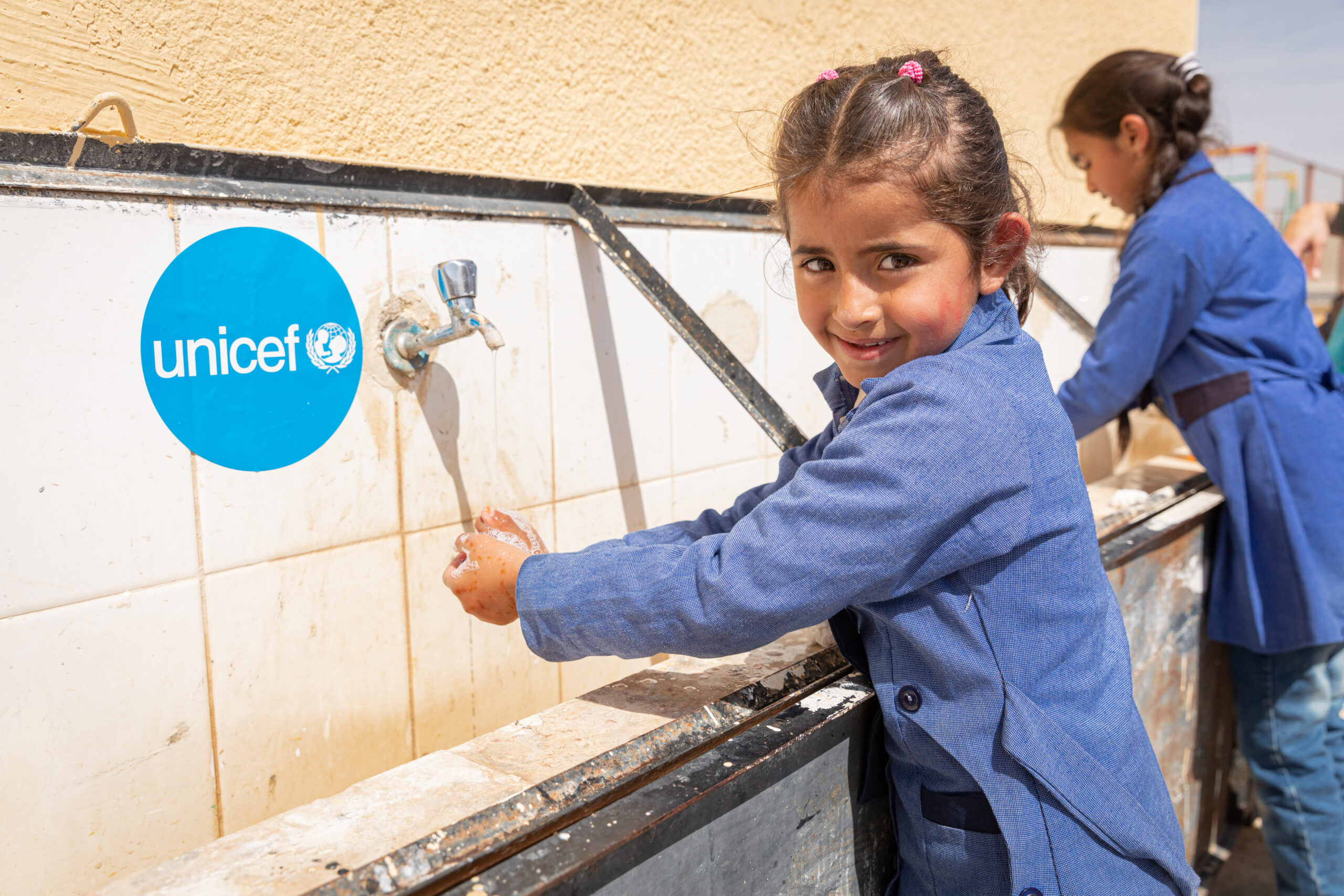
With support from you, UNICEF can reach thousands of children with safe, clean water.

Supporting education through menstrual hygiene
On 20 March 2025 at a school in Guatemala, three ten‑year‑old students – Ediana, Saida and Darlin – received a UNICEF menstrual hygiene kit. For girls in rural communities like theirs, this small package represents far more than supplies: it provides dignity, confidence and a more equal chance at education.
In many rural areas of Guatemala, schools lack basic infrastructure, creating unsafe and unhygienic environments that hinder both teaching and learning.
These gaps limit opportunities for all students, but girls are disproportionately affected. Without private bathrooms or access to menstrual hygiene materials, many girls miss school during their periods. This absenteeism contributes to lower academic performance and, in some cases, increases the risk of dropping out altogether.
To address these barriers, UNICEF is providing menstrual hygiene kits that include reusable sanitary pads, underwear, a bar of soap, and clear instructions on how to use, wash and even make the pads. Alongside the kits, girls receive information about menstruation, helping to break down stigma and empower them with essential knowledge about their bodies.
Through practical support and community‑led education, UNICEF is helping ensure that girls like Ediana, Saida and Darlin can manage their periods safely – and continue learning without interruption.

Clean water means more time to learn
Nine‑year‑old Mohammad turns on a newly installed water tap outside his home Afghanistan and, for the first time, clean water flows where his family lives – a simple change with a profound impact.
For years, Mohammad carried the burden of water collection for his household.
“I used to walk to the neighbouring village with a wheelbarrow to fetch water,” Mohammad says. “It was far. I would walk for an hour. The wheelbarrow would often fall over and the water was wasted. I would get mud all over my clothes.”
The water his family relied on was contaminated, making them sick frequently and putting their health at risk. The journey itself came at a cost to Mohammad’s education.
“After bringing the water home, I would rush to school,” he explains. “The teacher would punish me because I was always late. He wouldn’t allow me into class.”
Mohammad’s experience reflects a wider reality. In 24 per cent of Afghan households without access to drinking water at home, children under the age of 15 are responsible for collecting it. The time spent fetching water limits children’s ability to attend school, play and learn.
“I like having water at home,” Mohammad says now. “It is easy for us to get water. We use this water in our kitchen – it is always there.”
Through support for UNICEF, you can help children like Mohammad receive safe water – and an education.