
No1 in the world for giving
Which country is the most generous in the world? According to the fundraising platform GoFundMe, it’s Ireland. Every year for the last seven, Ireland has ranked top of the website’s list of countries by number of donors per capita. “Ireland’s exceptional generosity continues to set a powerful example globally,” the company’s global CEO said.
And other research has found the same.
Every year, the the Charities Aid Foundation conducts a study of the most generous countries in the world, and every year Ireland ranks near the top. It found 65% of people in Ireland had donated to charity, and 59% had helped a stranger.
Even in 2025, when the organisation changed its methodology to dig deeper into the global data, Ireland was among the top 10 countries in Europe.
For a country of five million people, those numbers are hard to explain. So what’s actually going on?

Two small children await help during the 1984 famine in Ethiopia.
The impact of An Gorta Mór
Part of the answer could lie in our history. Between 1845 and 1852, at least one million people in Ireland died of starvation and disease during the Great Famine, though the true cost is likely higher. At least two million people were forced to emigrate.
And it was children who suffered most.
The roads were lined with them. The ships that left Ireland carried thousands of them, many unaccompanied, to uncertain futures in America, the UK and further afield.
The country that emerged from the Famine carried that trauma with it – and nurtured a desire to help others in similar circumstances.
In 1985 for instance, when famine struck Ethiopia, Ireland donated over £7 million to the fundraising Live Aid concert – more per capita than any other country in the world. The images of the suffering – the children, the hunger, the indifference of governments – resonated differently here than it did elsewhere.
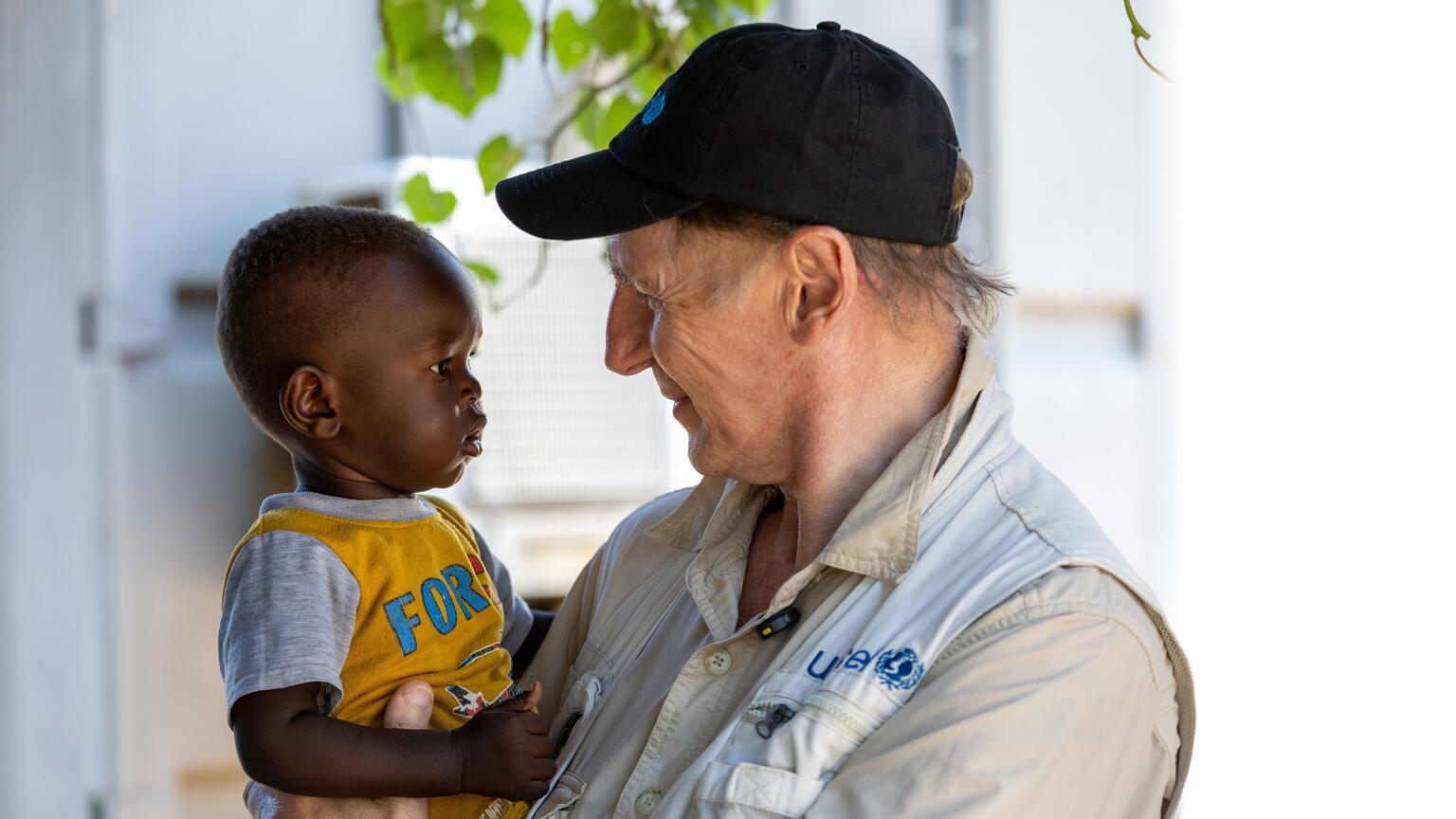
That pattern has repeated itself. UNICEF Ambassador Liam Neeson has spoken about how his Irish upbringing shaped his decision to advocate on behalf of children. And when fellow UNICEF ambassador and Oscar-nominated actor Stephen Rea visited Somalia in 2023, he saw the same parallels. “I see here the same kind of appalling destruction that was inflicted in Ireland,” he said. “What we saw … was exactly what the landscape must have looked like after the Famine.”
It is this deep historical connection that has led to Irish people consistently donating more to charity, relative to national income, than others.

UNICEF staff helping a child in Lebanon.
What giving looks like in Ireland
In Ireland, while we have many great institutional donors and corporate philanthropy, the giving landscape has individuals at its heart. It’s spread across direct debits, church collections, school fundraisers, and local events. Increasingly, social media fundraisers play a huge role too.
The Charities Aid Foundation research found over 6 in 10 people donate regularly. And much of that giving is directed at children. Irish people have a particular sensitivity to child poverty, child hunger, and the disruption of children’s education by conflict or disaster.
While the country’s economy is now one of the best performing in Europe, it wasn’t too long ago that child poverty was a major issue in Ireland. Many people today will remember this from their own childhoods. That’s why so many Irish people now empathise with those struggles found today across the world, and why they not only donate but raise money too.
At UNICEF, we regularly receive donations from such community fundraisers. In the last year alone thousands of Euros have been donated by craft store sales, rock band concerts, football teams, school events, marathon runners and hill climbers. These efforts, and the efforts of thousands of others across Ireland, is the reason UNICEF can save children’s lives. And it all comes down to the decision of an individual to help a child they will never meet.
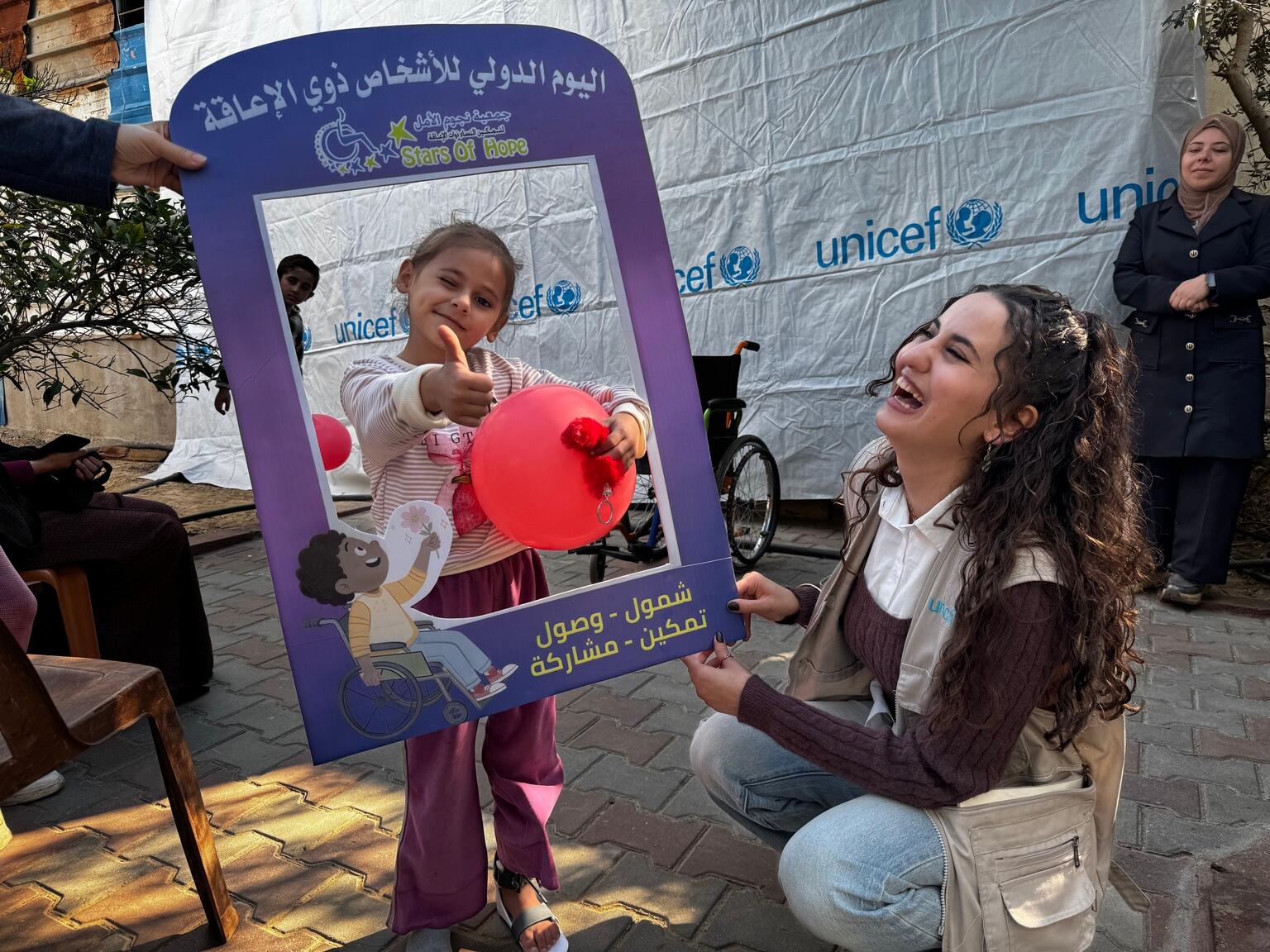
A girl in Gaza with a disability, who received help from UNICEF
Ireland and Palestine – a special relationship
What this means for children everywhere
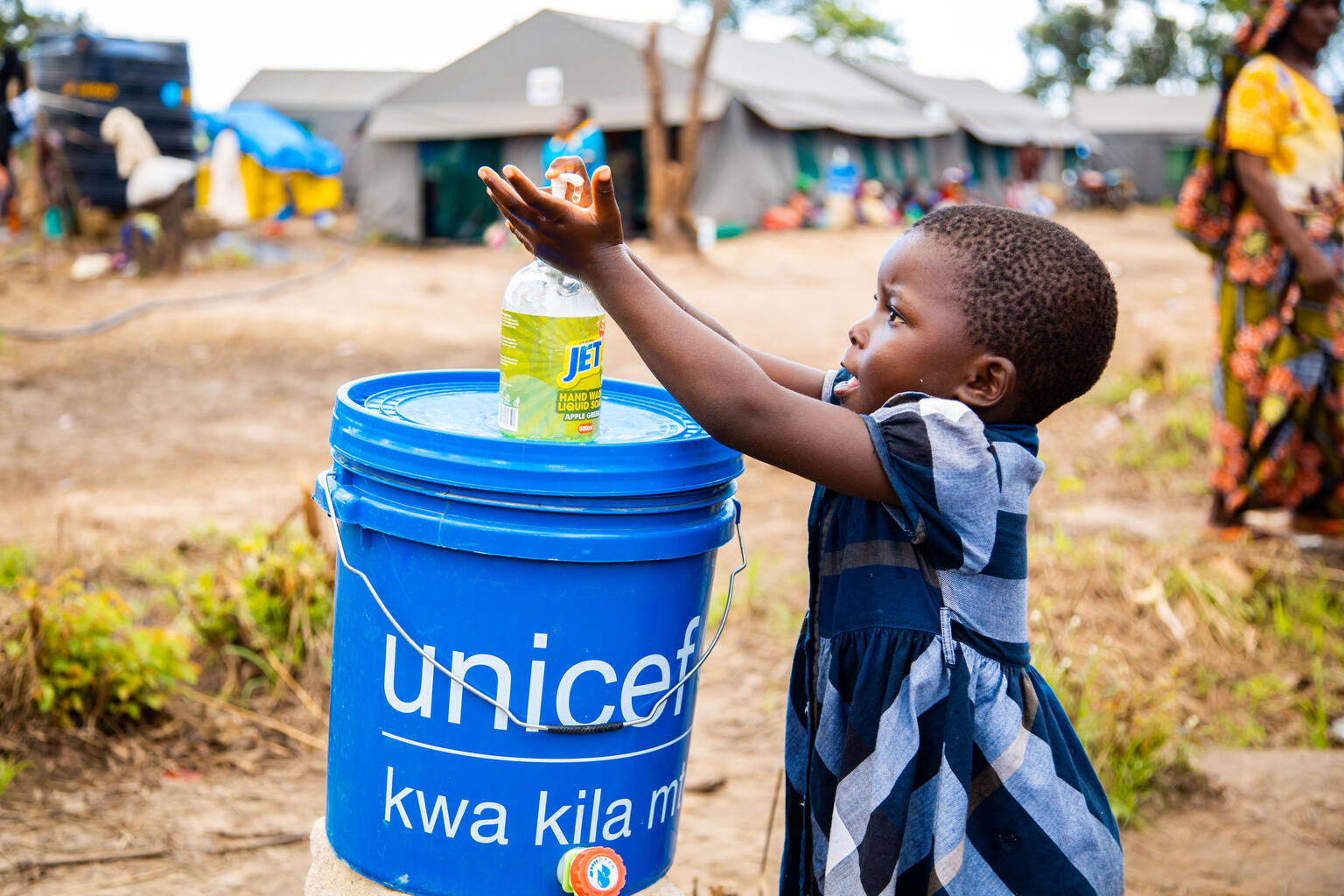
Gaza is not the only place where children need help, and through UNICEF Irish donors have been supporting children across the world, in conflict zones and crises that receive less coverage.
The connecting thread is an unwillingness in Ireland to treat the suffering of a child somewhere else as someone else’s problem.
That incredible generosity and Irish instinct is what powers UNICEF’s work for children. The belief that if you can help a child, you should. From every county in Ireland, to every country across the world, Ireland gives – because we know it’s the right thing to do.

Can you help children survive?
UNICEF's work for children before, during an after an emergency is sustained thanks to regular support from people like you. Join the community and help children survive the crises they face.